This paper presents the design, implementation, and field evaluation of SkiTip Display, a ski-mounted LED feedback system that provides terminal visual feedback on carving angle to support skill development in alpine skiing. Developed through a participatory design process with domain experts, the system was deployed in-the-wild and tested with nine recreational skiers. Results from sensor-based metrics and post-session interviews suggest that ski-mounted visual feedback is perceivable, motivating, and well-suited for post-run reflection, though not actionable during motion. We report key lessons on feedback timing, simplicity, and trust, and discuss implications for designing embedded performance feedback in high-speed outdoor sports. This work contributes to the field by expanding the design space for equipment-integrated feedback systems and by articulating challenges of in-the-wild deployment in dynamic environments.
Archive for 2025
Projekte
Doctoral Thesis by Severin Bernhart
We would like to congratulate our colleague, Severin Bernhart, on successfully completing his doctorate! The data engineer from the Human Motion Analytics research group was awarded the Doctor of Technical Sciences degree on 4 December 2025. His thesis defense took place on 27 November 2025 at the Faculty of Digital and Analytical Sciences at Paris Lodron University of Salzburg.
Doctoral thesis on edge AI in smart textiles for health-promoting running
In his dissertation at the Department of Artificial Intelligence and Human Interfaces’ Computer Science department, Severin Bernhart focused on the potential of smart textiles to support healthy breathing patterns while running. Under the title “Bra4Vit: Breathing Guidance Apparel in Running via Edge-AI in Smart Textiles,” Bernhart developed an innovative system that uses textile-integrated sensors and edge AI to monitor and support runners’ breathing in real time.
Abstract of the dissertation
Running is a widely practiced form of physical activity due to its low barriers to entry. However, breathing difficulties can limit participation and reduce enjoyment of exercise. Continuous recording of breathing patterns and the provision of real-time feedback enable the detection of irregularities and the targeted influencing of breathing behavior. Rhythmic breathing with a prolonged exhalation activates the parasympathetic nervous system, promoting relaxation and increasing motivation. Vitality, as an essential component of well-being, can thus be positively influenced by physiological regulation and regular exercise. Smart textiles offer great potential for providing respiratory monitoring and guidance in the field. However, challenges remain, particularly in developing robust sensor technologies, integrating conductive yarns, and standardizing electronic interfaces. Conventional AI-supported methods of respiratory analysis often rely on centralized high-performance computing capacity, which hinders the provision of time-critical feedback. Edge AI enables local processing on the device, ensuring latency-free feedback. This work aims to develop a personalized breathing guidance system for female runners, supporting rhythmic, controlled breathing and prolonged exhalation. A comprehensive literature review of body networks, respiratory sensors, feedback strategies, and low-latency signal processing informed the development of Bra4Vit: a smart bra for vitality with a textile-based respiratory sensor and a miniaturized on-body unit incorporating an inertial sensor for step detection. The developed Edge AI model recognizes inhalations and exhalations, breathing phases, and continuous breathing segments with accuracies of 93.1%, 85.6%, and 81.5%, respectively, without any time delay. Chain knitting technology and an individual chip design optimize wearing comfort, handling, and production costs. However, Bra4Vit currently lacks sweat resistance, a feature that will be implemented in future work. Planned field evaluations will assess the accuracy, robustness, comfort, and intuitive usability of the breathing guide.
Severin Bernhart’s research is a valuable contribution to the development of wearable, AI-based systems designed to support athletes with their breathing techniques, with the ultimate goal of improving motivation, vitality, and long-term health.
Salzburg Research would like to extend its warmest congratulations on this outstanding scientific achievement and looks forward to continuing its collaborative research and development projects.
Biomechanical Analyses Under Real Conditions
Salzburg Research makes human movement patterns visible — directly on-site, in real time, and with maximum accuracy.
Whether in sports, rehabilitation, or the workplace, our analysis methods help to better understand human movement dynamics in order to provide targeted feedback and suggestions for improvement. Using body-worn sensors and edge AI, movement patterns can be accurately recorded and analyzed in both laboratory and real-world environments, such as horse riding, skiing, cycling, and running after work.
Maximum precision for real-time analysis
The measurement systems employed incorporate Inertial Measurement Units (IMUs), which combine accelerometers, gyroscopes, and magnetometers. This combination enables the IMUs to track the movement, dynamics, orientation and direction of the person being measured with precision. The data is available in real time, allowing for immediate feedback.
These measurements provide an accuracy level that allows for scientifically valid on-site analysis of human movement, free from the limitations of a laboratory environment.
The advantages:
- Mobile and flexible: Measurements can be taken anywhere, whether on the ski slopes, horseback, or on a bicycle or motorcycle.
- Real-time feedback: Provides immediately usable feedback for training, therapy, and safety applications.
- High precision: Data quality that is close to laboratory standards — mobile, reliable, and scientifically validated.
- Clear results: Specific recommendations for direct practical application are generated using the measured values.
From data collection to practical insights
Salzburg Research specializes in combining sensor technology with intelligent software and scientific expertise. Our three-dimensional motion capture system provides precise data on dynamics, alignment, and stress in just seconds. We transform this data into practical insights using proven methods that can be used to improve athletic performance, prevent injuries, facilitate efficient rehabilitation, and enhance safety-critical applications.
Practical applications:
- Sport: Boosting performance with precise analysis and real-time feedback.
- Rehabilitation: Making progress visible and tailoring therapy to individual needs.
- Safety: Evaluating movement sequences and identifying risks at an early stage.
- Equestrian sport: Analyzing rider and horse, identifying common mistakes, and correcting them in a targeted manner.
The application scenarios shown demonstrate the software’s and sensor technology’s flexibility and scalability, as well as their wide range of potential uses.
Your partner for motion analysis
The combination of hardware, proprietary software development, and scientific expertise results in solutions that go far beyond mere data collection. Salzburg Research provides partners and customers with valid, practical, and actionable insights wherever movement needs to be analyzed. We provide valid, practical, and comprehensible analyses that can be applied directly in the workplace. In this way, we help improve understanding of human movement, enhance performance, boost safety, and promote health. Our work is underpinned by state-of-the-art technologies such as the Xsens motion capture system, which is integrated into our research and development processes and enhanced with additional sensors and evaluation methods.
Interested? We look forward to hearing from you!
Year in Review: Our Highlights of 2025
As our anniversary year draws to a close, we can look back on another year full of innovation, research, and collaboration. This year, we have developed even more innovative digital solutions for our three core competencies—Smart Region & Mobility, Health & Sports, and Industry & Infrastructure—to help us overcome complex challenges. Together with our partners, we have created economic and social value and celebrated our 25-year history of successes, research, and breakthroughs.
Smart Region & Mobility
This year, the focus was on mobility transitions and traffic safety. Using vehicle movement data analysis, Salzburg Research developed practical solutions to improve mobility in the region and beyond:


- In collaboration with partners from Germany, Austria, and Switzerland, we analyzed over 7,000 overtaking maneuvers and developed practical recommendations to make traffic management safer and more comfortable.
- These recommendations in the form of road markings were tested on Nußdorferstraße in the city of Salzburg to increase traffic safety on narrow streets.
- We have contributed to safer and more climate-friendly mobility by investigating whether multi-purpose lanes with narrow central reservations could improve the safety of cyclists on open roads in three federal states.
Health & Sports
We developed innovative, everyday solutions based on precise movement and sensor data that have noticeably improved training, performance, rehabilitation, and health analyses:


Digital solutions for better training results and performance:
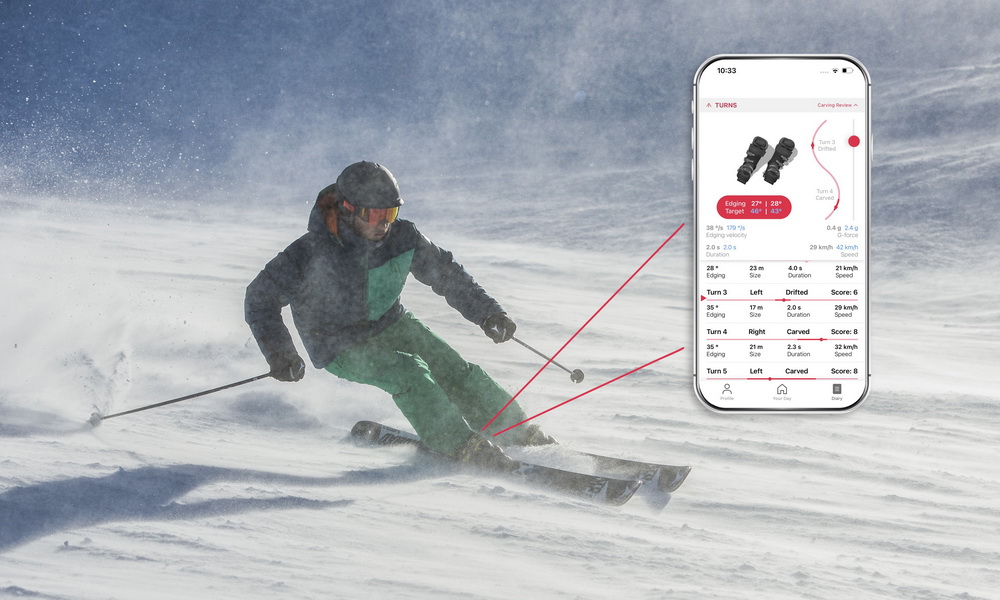
- Together with partners, we have developed and tested a new method for evaluating skiing quality using a sensor-based feedback system.
- In collaboration with Adidas AG, we researched how innovative wearable technology and subjective self-assessments are setting new standards for analyzing training in girls’ football.
- Salzburg Research conducted research into the angle of attack in skiing in an unusual location, thereby paving the way for accurate measurements to be taken directly on the ski slope.
Simpler rehabilitation process:
- In our new flagship project, our goal is to systematically and digitally link the previously separate phases of prehabilitation and rehabilitation. This will help us to achieve a more sustainable healthcare system and improve quality of life.
- Together with its partners, Salzburg Research has developed and tested a digital platform to support, connect, and inform family members caring for people with early-stage dementia.
Digitization of medicine:
- Anna Eleonora Carrozzo, a researcher at Salzburg Research, has developed new statistical methods tailored specifically to the analysis of digital health data.
Industry & Infrastructure
In our core competence area of Industry & Infrastructure, our focus has been on the sustainable energy transition, instruments and recommendations for energy communities, grid quality and stability, and the manufacture of sustainable products:


Sustainable energy transition:
- In collaboration with our partners, we have developed guidance that summarizes practical options and demonstrates how organizations can systematically evaluate edge cloud systems and establish more sustainable digital infrastructures.
- We have outlined in a white paper how shared electric fleets can be used as mobile energy storage devices to improve grid stability and make more efficient use of renewable energy sources.
- In collaboration with our partners in Germany and Austria, we investigated ways to increase the efficiency of AI by 90 percent, with the aim of improving the technology’s ecological balance.
Tools and recommendations for energy communities:
- As part of an EU project, we examined various instruments to make energy community operations more efficient, flexible, and economical.
- We then developed a practical toolbox where energy communities can find suitable forms, recommendations, and real-time insights.
Grid stability and grid quality:
- In collaboration with Commend International GmbH, we have developed an intelligent measurement and monitoring system that analyzes the actual performance of voice and video streams.
- Our researchers investigated how satellite communications could support the process of restoring power following a power outage in the most efficient way possible.
Sustainable product manufacturing:
- As part of a consortium of 21 companies, we investigated the introduction of digital product passports in industry and how they could facilitate the transition to more sustainable production methods.
Our anniversary year: collaboration, research, and added value


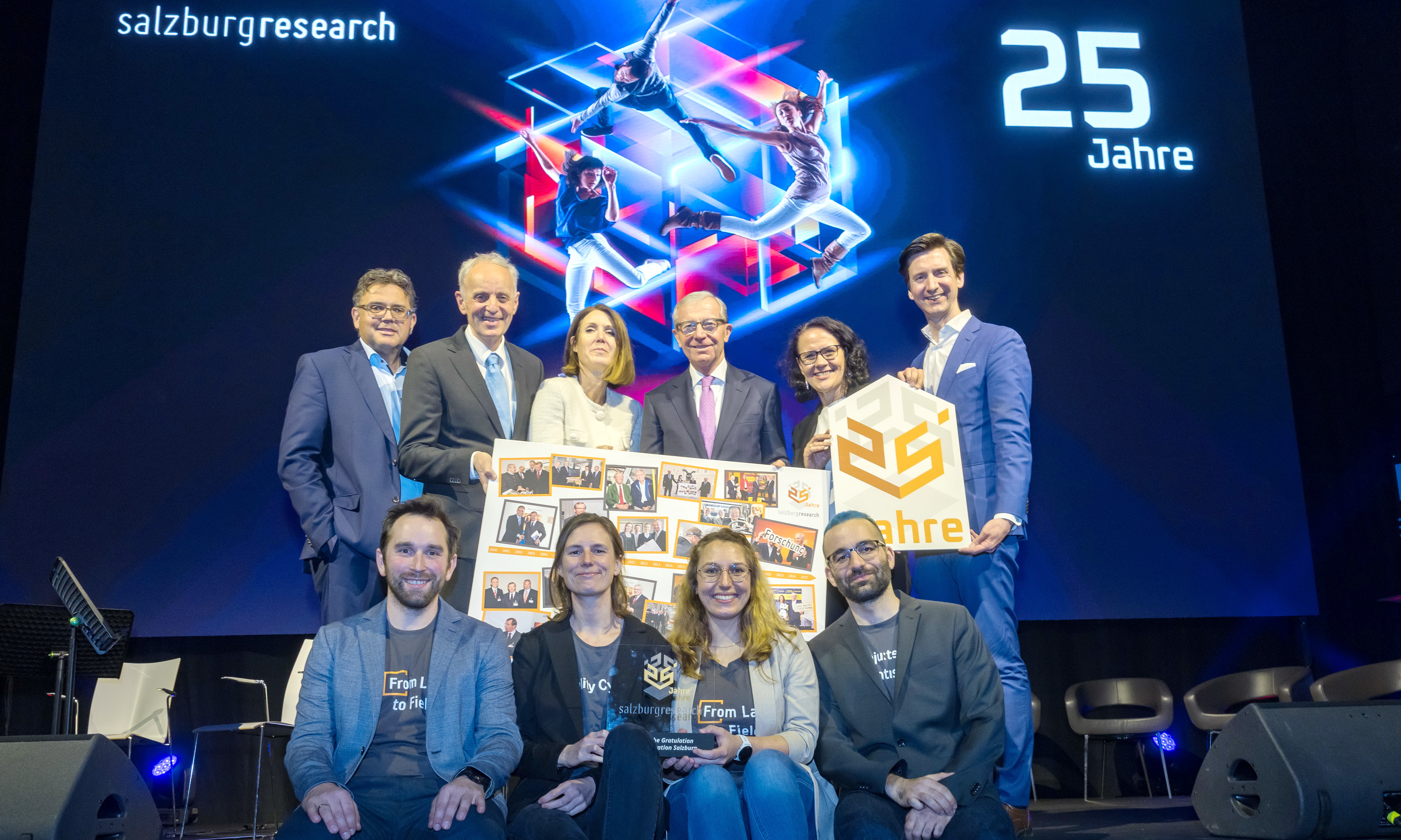
2025 marked the 25th anniversary of our journey in research and innovation. We began our anniversary celebrations in March at salz21, where we presented our current projects with a stand and a keynote speech on the main stage. In September, we celebrated our anniversary with our innovators, partners, customers, and sponsors. We would like to thank everyone who has supported us on our journey once again.
Over the course of this year, we have set up two new transfer centers for AI and tourism and secured an extension to the EDIH “Crowd in Motion.” We also created social value and took part in the Charity Challenge 2025 again, raising money through hiking, running, and walking. In order to strengthen cooperation within Science City Itzling, we organized the first after-work gathering, providing an opportunity for interaction and communication. During this year’s company outing, we visited the Werfen Ice Caves and further strengthened our team spirit.
After a busy and innovative year, we are taking a short break. We will return with renewed vigor on 7 January 2026. As every year, we are foregoing Christmas gifts and instead supporting the Anna-Bertha-Königsegg School for severely disabled children in Salzburg. More information: Christmas 2025: Thank You and Christmas Campaign.
DAWN – Data-driven Analysis and Optimization of Low Voltage Networks
Data is crucial for ensuring the stability of future energy systems. This project analyzes smart meter data to provide a clearer picture of the state of the energy system.
morePhoneless Step- and Breath-Adherent Auditory Breathing Guidance in Running via Smart Garments
Breathing guidance in running aims to be intuitive and minimally distracting to trigger rhythmic-controlled and exhalation-focused breathing, ultimately enhancing the running experience. A breathing guidance strategy is introduced that enriches existing auditory step-adherent approaches with breath-adherence by integrating required functionalities into a phoneless stride- and breathing-sensing garment. Locomotor-respiratory coupling-based breathing guidance is individually adapted to user-specific step and breath rates, and sonification is consciously triggered on and off depending on observed runners’ breathing regularity levels.
Extended exhalation phases are induced via unconscious auditory manipulation of runners’ natural exhalation. Custom chip design integrating edge-AI methods for feedback parameter generation, including AUX interfaces for signal transmission, enables zero-latency breathing guidance. Treadmill running demonstrates the potential for the breathing guidance concept, and an in-field participant study evaluation is pending for more thorough system validation.
Christmas 2025: Thank You and Christmas Campaign
Once again this year, we would like to take this opportunity to wish you all a happy holiday season and thank you for your continued support, fruitful cooperation, and trust. By collaborating with forward-thinking companies and the public sector, we have been able to contribute our expertise in areas such as mobility, sports, health, and energy, thereby making a significant contribution to innovation and development.
We have summarized our highlights from 2025 here: Year in Review: Our Highlights of 2025
Christmas campaign 2025
As we do every year, in 2025 we will once again be supporting the Anna-Bertha-Königsegg School for severely disabled children in Salzburg with information technology. Specialized hardware and software offer long-lasting benefits, particularly for children with additional support needs!

Various electronic devices and toys were on the school’s wish list this year, including an iPad with a protective case, planners, vibrating pillows, weighted blankets, “Z-Vibe” devices to improve oral motor skills, electronic pens, echo microphones, and animals that repeat what they hear. These devices help students to explore digital tools and learn independently. They also provide additional support for children with disabilities, making it easier and more enjoyable for them to participate in lessons.

We are happy to fulfill these requests from the school. The gifts will be presented at the school’s Christmas party on 18 December 2025.
We wish you a peaceful holiday season and a successful New Year!
The entire Salzburg Research team would like to thank you for your interest and cooperation, and wishes you an exciting time and a successful and healthy 2026!
We’re taking some time off:
Company holidays from December 24, 2025, to January 6, 2026
C-ITS4U – User-Centered Methodology for Implementing C-ITS for Vulnerable Road Users
C-ITS4U develops C-ITS (Cooperative Intelligent Transport Systems) based solutions for vulnerable road users. Although the technology is already being rolled out, cyclists and pedestrians have so far benefited only indirectly. The project therefore aims to change this by developing suitable applications. To achieve this, existing challenges and user needs in urban traffic environments are identified, and corresponding solutions are designed.
moreBEFAHRBAR – Methodology for Evaluating Potential Areas of Application for Autonomous Vehicles in Terms of Safe, Efficient Drivability
The BEFAHRBAR project is developing an automated methodology based on a digital twin to safely and efficiently evaluate routes for the deployment of autonomous SAE L4 vehicles, while also objectively identifying risks. Salzburg Research is providing the key scientific foundations for this, as well as playing a major role in designing a transparent and practical evaluation and approval process for automated driving.
moreOn the Utilization of Digital Product Passports for Intelligent Metal Sorting and Recycling
This paper introduces a proof-of-concept system designed to improve management and recycling of complex metal-rich products like end-of-life vehicles (ELVs). Despite growing adoption of Digital Product Passports (DPPs), significant challenges remain in achieving detailed part-level traceability, managing fragmented supply chain data, and automating compliance in ELV recycling—challenges this study addresses directly. Current ELV recycling suffers from information gaps and manual compliance validation, resulting in suboptimal material recovery. Our system introduces a seamless digital twin of recycling processes integrated with standardized product data from DPP frameworks, enabling precise tracking of parts, material compositions, and regulatory constraints. It supports automated waste classification, optimized grouping of parts for recycling, and compliance validation, applying circular economy principles effectively. The core digital twin representation enables full lifecycle synchronization and monitoring, while the architecture aligns with industry standards to foster interoperability and sustainability.
Semantic Data Integration for Digital Product Passports
This paper presents an approach to facilitating semantic interoperability in Digital Product Passports (DPPs) through the use of Semantic Integration Patterns (SIPs). In the context of Industrie 4.0 and the transition to a Circular Economy, DPPs serve as digital representations of physical products, enabling traceability, compliance, and lifecycle data sharing across diverse and decentralized supply networks. The proposed SIP framework provides reusable communication patterns for structured data exchange between heterogeneous systems, ensuring syntactic and semantic consistency. Leveraging standards such as the Asset Administration Shell (AAS) and various domain-specific ontologies, the paper details how SIPs abstract application functionality and minimize integration complexity. A real-world use case in ski equipment lifecycle monitoring illustrates the practical implementation of SIPs, showing how maintenance data can be securely and semantically shared using predefined templates and data dictionaries. The approach supports machine-readable, scalable, and policy-compliant data exchange in DPP ecosystems.
KIRAMET: Digital Product Passports for Optimized Metal Recycling
The Digital Product Passport (DPP) is a cornerstone of the European Union (EU) Commission’s Green Deal and will become an essential requirement in the Ecodesign for Sustainable Product Regulation (ESPR). The aim is to track a product’s entire lifecycle for improved sustainability. It standardizes product lifecycle data – including materials, components, and recyclability – to improve traceability and sustainability. Moreover, it provides real-time access to critical information through a distributed secure ecosystem for stakeholders to foster waste reduction and secondary material use across supply chains.
Digitalization for Tourism, Sports & Wellbeing: EDIH „Crowd in Motion“ Is Being Prolonged
Following a successful initial funding period from 2023 to 2025, the European Digital Innovation Hub “Crowd in Motion” will continue for another three years from 2026, with a new focus on AI under the name “Crowd in Motion – AI.” The services will continue to be free of charge for small and medium-sized enterprises and public institutions.
With over 80 offers, including AI training, “test before invest” formats, and innovative financing solutions, the hub provides sustainable support for businesses and organizations in tourism, mobility, sports, and, in the future, well-being and health, helping them with their digital transformation. The new EU funding will enable the expansion of the service portfolio, stronger international networking, and direct access to European AI infrastructures, such as TEFs, AI networks, and data spaces.
Key changes from 2026
- Stronger focus on AI: more than half of all services are now dedicated to artificial intelligence, including a new AI help desk.
- European AI infrastructures: Direct connection to testing and experimentation facilities (TEFs), regional and European AI networks, AI factories, and the EDIH network.
- Expanded financing options: Establishment of a broad innovation financing network comprising venture funds, business angels, crowdfunding platforms, and banks to optimize investor matching.
- New topics: Expanding the previous focus on sports to include the broader areas of health and well-being.
“Continued funding sends a strong signal for digital and green transformation. Companies will have even better access to AI, data rooms, and financing opportunities,” says Olivia Zechner, EDIH coordinator at Salzburg Research.
Success stories from the first funding period
Even in its initial phase, the EDIH “Crowd in Motion” demonstrated how digitalization and AI create tangible added value:
- Digital guidance concept at DomQuartier Salzburg: A feasibility study was developed for an AI-supported visitor guidance system to optimize visitor flows and enhance the museum experience.
More on this: Digital Guiding Concept for DomQuartier Salzburg - Crowdfunding for the Fieberbrunn mountain railways: More than 200 supporters have contributed over €604,000 to co-finance a new gondola lift, providing a pioneering example of innovative tourism financing.
- Sports technology & AI: AI-based climbing holds with integrated sensors have been developed, patented, and are ready for investor funding.
- Smart sled: A traditional sled has been equipped with AI sensors and now provides precise movement data—an innovative contribution to training analysis in winter sports.
More on this: With Real-Time Feedback to the Sporting Ideal Line - Open innovation campaigns: More than 21,000 community members took part in idea competitions such as “The Future of Winter Tourism” and “Green Tourism.” The results were directly incorporated into pilot projects.
- AI in the public sector: In collaboration with the city of Villach, over 50 potential internal AI applications were identified, leading to the development of several pilot projects.
“Crowd in Motion — AI” is a part of the Digital Europe program, which is funded by the European Commission and the German Federal Ministry for Economic Affairs, Energy and Tourism (BMWET).
Further information:
- Website of EDIH: www.crowd-in-motion.eu
- Press release: Digitalisierungsschub für Tourismus, Sport & Wellbeing: EDIH „Crowd in Motion – AI“ geht in die nächste Phase
Image: Successful extension of the EDIH “Crowd in Motion” (from left to right): Siegfried Reich (Managing Director, Salzburg Research), Daniela Gutschi (Salzburg Provincial Minister for Science and Research), Olivia Zeichner (Head of EDIH Crowd in Motion).
Digitalisierungsschub für Tourismus, Sport & Wellbeing: EDIH „Crowd in Motion – AI“ geht in die nächste Phase
Der European Digital Innovation Hub (EDIH) „Crowd in Motion“ unterstützt Unternehmen und öffentliche Einrichtungen in den Bereichen Tourismus, Mobilität, Sport und Wellbeing bei ihrer digitalen Transformation. Für kleine und mittlere Unternehmen und öffentliche Einrichtungen sind die Services des EDIH durch niederschwellige EU-Förderung kostenlos. Nach einer erfolgreichen ersten Förderperiode (2023–2025) wird der Hub ab 2026 für weitere drei Jahre fortgesetzt. Mit der neuen EU-Förderzusage kann das Hub-Angebot auch inhaltlich erweitert werden.
moreEvaluating Edge Cloud Systems: A Guide to Sustainable Digital Infrastructures
Edge cloud systems form the basis of many industries’ innovative, intelligent services. They address key challenges faced by modern software systems, such as data protection and efficient resource management, by combining software and hardware components along the edge cloud continuum. A new guidance document summarizes the results of the evaluation of edge cloud systems.
Edge cloud systems (ECS) form the basis of many intelligent and innovative services across a variety of industries. Combining the advantages of edge and cloud technology, they process data where it is generated in a secure, quick, and resource-efficient manner. In doing so, they play a key role in ensuring data protection, improving energy efficiency, and promoting sustainable digitalization.
As edge cloud systems can be structured in many different ways, suitable evaluation methods are required to demonstrate their actual performance and sustainability. A new guide for evaluating edge cloud systems has been developed to address this need. It summarizes the findings from several research projects and highlights practical ways in which organizations can systematically evaluate their systems.
A practical evaluation model
A task force comprising seven research projects from the German technology program “Edge Data Economy” — including Salzburg Research with its EASY project — has jointly developed a model for the comparable evaluation of edge cloud systems.
The guidance presents a process model showing how organizations can define goals, select appropriate metrics, and evaluate results in a structured way. This model is based on the Green Software Measurement Model (GSMM), which was originally developed to evaluate the energy and resource efficiency of software development processes.
This model allows for a comprehensive evaluation of technical, organizational, and environmental factors, including energy efficiency, data protection, resilience, scalability, and costs. It therefore helps companies and research institutions to design sustainable and efficient digital infrastructures.
Recommendations for business and politics
The task force has formulated specific recommendations to enable organizations to systematically evaluate edge cloud systems in the long term:
- Developing internal expertise in evaluating digital infrastructures
- Establishment of common standards and transparent metrics
- Promotion of exchange platforms between industry and the research sector
- Low-threshold entry options for companies that want to take the first steps towards assessment
An accurate assessment of ECS is a strategic as well as technical task: it establishes the basis for sustainable, reliable, and competitive digital innovations.
Contribution by Salzburg Research
Salzburg Research played a central role in developing and testing the EASY project’s evaluation model in practice. In particular, the institute focused on evaluating the networks and connection quality of edge cloud systems, as well as their applicability in industrial scenarios.
Experience gained from research into distributed systems was directly incorporated into further development of the evaluation approach.
Project EASY: Energy-efficient edge cloud manufacturing
The EASY project (Energy-efficient analysis and control processes in the dynamic edge cloud continuum) is developing an edge cloud system for industrial manufacturing. This system will enable AI-based analysis and control processes to be distributed and executed locally wherever possible, significantly increasing the productivity and resource efficiency of the entire manufacturing process. Salzburg Research is contributing to the analysis and prediction of connection quality between edge and cloud nodes and to anomaly detection in industrial communication networks. This will enable the dynamic placement of services to be optimized.
Background
The Federal Ministry of Education and Research (BMBF) commissioned the guidance as part of the accompanying research for the “Edge Data Economy” technology program. Seven research projects were involved: EASY, EDNA, ESCOM, DEER, SECAI, ECO:DIGIT, and GEMIMEG-II.
Together, they developed a consistent approach to evaluating edge cloud systems, covering everything from data collection to cloud integration. This provides a foundation for designing transparent, sustainable, and future-proof digital infrastructures.
More information:
- Project: EASY – Energy-efficient analysis and control processes in the dynamic edge-cloud continuum for industrial manufacturing
- Publication: Bewertung von Edge-Cloud-Systemen
Strong Partnerships for Movement, Health and Performance
The COMET project Digital Motion NEXT (DiMo-NEXT) continues to grow: with three new partners, the consortium is expanding to include leading experts from the fields of exoskeleton technologies, rehabilitation and winter sports. Together, they are developing innovative digital solutions for recording, analysing and optimising movement – with the aim of improving health, performance and safety through data-based insights.
FIS – Intelligent ski bindings of the future
As part of DiMo-NEXT, the International Ski and Snowboard Federation (FIS) is researching smart and digital options for binding release in alpine ski racing. The aim of the development is to support the mechanical release properties of ski bindings with smart features such as voice control in order to increase the safety of athletes.
awb – Intelligent exoskeletons for the world of work
With awb, DiMo-NEXT gains an experienced partner in the field of exoskeleton technologies. Together, they aim to demonstrate the effectiveness of a new soft exoskeleton that supports static and dynamic movements. The textile system, which can be worn under work clothes, is intended for use in physically demanding professions, such as nursing.
Tyromotion – Rehabilitation reimagined
Austrian medtech specialist Tyromotion complements the consortium with its in-depth expertise in robot-assisted rehabilitation. Building on the existing robotic gait trainer ‘LEXO’, DiMo-NEXT is developing a holistic motion capture system based on 3D cameras. This system provides real-time feedback on posture and movement during training and uses gamification elements to train everyday situations in a virtual 3D environment.
About the COMET project Digital Motion NEXT
Das COMET-Projekt DiMo-NEXT – Next Level of Digital Motion in Sports, Fitness and Well-being is a research consortium led by Salzburg Research and part of the Austrian COMET programme (Competence Centres for Excellent Technologies). It focuses on the digital recording, analysis and interpretation of human movement – with applications in sports, health, rehabilitation, work and everyday mobility. Using state-of-the-art sensor technology, artificial intelligence and data analysis, new methods are being developed to better understand, evaluate and improve movement. The aim of DiMo-NEXT is to translate digital movement data into practical applications that support people in their everyday lives, in therapy or in training – from prevention and rehabilitation to performance optimisation in top-level sport.
The COMET project DiMo NEXT is funded by BMIMI, BMWET and the federal states of Salzburg, Upper Austria and Tyrol as part of COMET – Competence Centres for Excellent Technologies. COMET is managed by the FFG.
Live-Video über 5G im Härtetest: Erfahrungen aus realen Anwendungsszenarien
Das Projekt “5G-LIVELY – 5G-Ultra Low Latency Live Video Delivery“ untersuchte, wie sich Live-Video-Streaming über 5G-Netze in realen Anwendungsszenarien verhält – vom Labor bis zur eSports-Bühne im Rahmen einer Gaming-Veranstaltung im Salzburger Messezentrum. Ziel war, die Grenzen und Möglichkeiten der 5G-Technologie für verzögerungssensitive Anwendungen sichtbar zu machen. Die Ergebnisse liefern wertvolle Erkenntnisse für Netzbetreiber, Veranstalter und andere Anwendungsgebiete.
Mit dem Ausbau von 5G entstehen völlig neue Möglichkeiten für Anwendungen, die auf hohe Bandbreite und geringe Latenz angewiesen sind. Dazu zählen Live-Übertragungen von Sport- und Kulturevents, Telemedizin oder industrielle Steuerungen.
Live-Video als 5G-Anwendungszenario
Durch die Entwicklung einer Low-Latency-Video-Applikation und eines dafür optimierten 5G-Mobilfunknetzes eröffnen sich erstmals neue Möglichkeiten in der drahtlosen Kommunikation: Besuchende können bei Veranstaltungen nicht nur das Geschehen in Echtzeit verfolgen, sondern nahezu verzögerungsfrei zwischen unterschiedlichen Perspektiven auf ihrem Smartphone und der realen Welt wechseln.
In der klassischen Videoproduktion summieren sich die Verzögerungen in der Übertragungskette schnell auf mehrere zehn Sekunden. In 5G-LIVELY wollten die Forschenden diese Latenzen so weit zu reduzieren, dass sie für Besuchende nicht mehr störend wahrnehmbar sind – vergleichbar mit der Direktübertragung auf eine Videowall.
Dafür wurde eine fein abgestimmte Verarbeitungskette von der Aufnahme über Encoding/Decoding bis zur Auslieferung am Endgerät entwickelt. Besonderes Augenmerk lag auf der Parametrisierung des 5G-Netzes für minimale Pufferung. Schlüsseltechnologien wie 5G-URLLC (Ultra Reliable Low Latency Communication) und 5G-GBR (Guaranteed Bitrate) spielen dabei eine zentrale Rolle.
Die Umsetzung erfolgt sowohl in Laborumgebungen als auch unter realen Bedingungen bei Veranstaltungen. Salzburg Research übernahm als angewandte Forschungsorganisation die Brückenfunktion zwischen 5G-Infrastrukturanbieter (Salzburg AG) und Anwendungsentwickler (Native Waves). Neben dem Aufbau und Monitoring der Verarbeitungskette betreibt Salzburg Research ein umfassendes 5G-Messsystem im hauseigenen Netzwerklabor, um Forschung, Entwicklung und Validierung zu unterstützen.
Das Projekt 5G-LIVELY verfolgte drei zentrale Ziele:
- Verständnis für 5G-Parameter schaffen – insbesondere die Rolle von Guaranteed Bit Rate (GBR) und 5QI-Konfigurationen für die Qualität von Videostreams.
- Reale Szenarien abbilden – Messungen auf einer Gaming-Messe (Level Up Salzburg) und in Laborumgebungen sollten zeigen, wie sich Netzauslastung, Signalqualität und Priorisierung auf Verzögerungen und Stabilität auswirken.
- Werkzeuge für Analyse und Optimierung entwickeln – inklusive passiver Messmethoden, die Netzressourcen erfassen, ohne den Betrieb zusätzlich zu belasten.
From Lab to Field: Live-Video über 5G im Test
Die entwickelten Setups wurde sowohl im Labor, als auch im Rahmen eines Gaming-Events im Salzburger Messezentrum eingehend erprobt.
Reale Messungen bei Gaming Festival
Das Messezentrum Salzburg verfügt über ein eigenes 5G-Campusnetz und bot die perfekte Bühne für Messungen im Rahmen des Gaming Festivals „LevelUp“ 2025. Auf der Mainstage wurden eSports-Turniere live übertragen. Dabei wurde der Stream über eine eigens entwickelte Applikation ins 5G-Netz eingespeist und auf Tablets und Smartphones ausgegeben.

- Referenz: Die Videowall auf der Bühne.
- Vergleich: Der Live-Stream über 5G.
- Methode: Beide Videos wurden parallel mit einer Hochgeschwindigkeitskamera (240 FPS) abgefilmt. So ließ sich das Framedelay – also die zeitliche Verschiebung zwischen Original und Stream – exakt berechnen.


Laboraufbau für systematische Tests
Um die Effekte gezielt zu isolieren, wurden Videosignale im Labor mit QR-Codes versehen (siehe Bild), die Timestamps enthielten. Diese wurden über eine komplette Übertragungskette (HDMI → SDI → Encoder → 5G-Kernnetz) geschickt. Gleichzeitig wurden die Signale am Bildschirm und am Endgerät aufgezeichnet und die Verzögerung berechnet. Dabei hat sich gezeigt, dass der Einfluss der verwendeten Kamera, sowie die gewählte Verbindungstechnologie (HMDI, SDI) bereits vor der Übertragung ins Mobilfunknetz eine nicht zu vernachlässigende Latenz beiträgt.Im 5G-Labor kamen außerdem passive Messmethoden mit Software Defined Radio (SDR) zum Einsatz. So konnten die genutzten und ungenutzten Ressourcenblöcke (RBs) in Echtzeit geschätzt werden, ohne zusätzlichen Traffic zu erzeugen.


Ergebnisse und zentrale Erkenntnisse: Einfluss der 5QI-Konfiguration
Zur Umsetzung der garantieren Bitraten kamen unterschiedliche 5QI-Qualitätsklassen zum Einsatz.
- 5QI 2 (GBR 25 Mbit/s, unacknowledged mode): Verzögerungen stiegen unter Last kontinuierlich an, teils deutlich sichtbare Unterschiede zwischen Videowall und Stream.
- 5QI 9 (Best Effort): Unter Querlast stabile Verzögerung, allerdings kam es zu kurzen „Stalls“ ohne Rebuffering.
- 5QI 3 (GBR 10 Mbit/s, acknowledged mode): Sehr geringe Delays, auch unter Last fast keine Abweichungen.
Ergebnisse und zentrale Erkenntnisse: Rolle von GBR in 5G-Zellen
Die Experimente im Labor bestätigten:
- Aktiviertes GBR stabilisiert die Bitrate für priorisierte Endgeräte – auf Kosten der übrigen Nutzer:innen.
- Besonders bei schlechter Signalqualität steigt der Ressourcenverbrauch eines GBR-Geräts stark an, sodass anderen Clients deutlich weniger Bandbreite bleibt.
- Ohne GBR sinkt die Bitrate des mobilen Geräts zwar, dafür bleibt die Gesamtleistung im Netz stabiler.
Unsere Tests haben zwei spannende Erkenntnisse hervorgebracht: Zum einen konnten wir die Übertragung auf dem mobilen Endgerät teilweise mit einer geringeren Verzögerung gegenüber der Videowall realisieren. Zum anderen zeigt sich deutlich, dass bei schnellen und stabilen Netzwerkbedingungen – wie in unserem Setup – die Performance der Endgeräte eine entscheidende Rolle spielt. Verzögerungen hängen also nicht nur von der Netzwerkinfrastruktur ab, sondern auch maßgeblich von der Leistungsfähigkeit der verwendeten Hardware.
Messmethoden und systematische Vermessung
Die eingesetzten ML-gestützten Verfahren (bspw. Gaussian Mixture Modeling und k-means) erwiesen sich als zuverlässige Tools, um Netzwerkauslastung und -verhalten bei den unterschiedlichen 5G-Netzkonfigurationen sichtbar zu machen. Diese Methoden liefern wertvolle Einblicke, die sonst nur Netzbetreiber:innen vorbehalten sind. Details zur Methodik und Algorithmik sowie zur Messdurchführung und die Messergebnisse wurden auf wissenschaftlichen Konferenzen veröffentlicht.
Fazit: Was 5G-LIVELY zeigt
Das Projekt 5G-LIVELY hat eindrucksvoll gezeigt:
- 5G ermöglicht Live-Streaming auf höchstem Niveau, auch in Szenarien mit hoher Netzlast.
- Priorisierung durch GBR ist ein zweischneidiges Schwert: Während einzelne Streams stabil bleiben, können andere Nutzer:innen massiv beeinträchtigt werden.
- Signalqualität bei Priorisierung ist ein kritischer Faktor – schlechte Funkbedingungen verstärken den Effekt der Ressourcenverdrängung. Somit werden die Datenraten weiterer Endgeräte stark von der Signalqualität des priorisierten Endgerätes beeinflusst.
- Passive Messverfahren bieten großes Potenzial, um Zellauslastungen zu bestimmen und so Netzwerke fair und effizient zu optimieren.
Damit liefert 5G-LIVELY wichtige Grundlagen für zukünftige 5G-Anwendungen. Beispielsweise kann dann zukünftig Konfiguration der 5QI-Parameter dynamisch in Abhängigkeit der Ressourcen- und Endgerätesituation erfolgen.
Weiterführende Informationen
5G-LIVELY – 5G-Ultra Low Latency Live Video Delivery wurde von der Österreichischen Forschungsgesellschaft (FFG) im Programm Breitband Austria 2023: GigaAPP gefördert. Projektpartner: Salzburg Research Forschungsgesellschaft (Koordinator), NativeWaves GmbH, Salzburg AG.
Publikationen:
Dominik Krah und Stefan Farthofer-Oster (2025): Measuring the Effects of Guaranteed Bit Rate on 5G Cell Resource Allocation and Throughput. In: 2025 9th Network Traffic Measurement and Analysis Conference (TMA).
Dominik Krah, Johannes Greul, Stefan Farthofer-Oster (2025): Machine Learning Assisted Optimization of 5G Network Parametrization. In: 6th Interdisciplinary Data Science Conference (iDSC’25) Salzburg
Dominik Krah, Stefan Farthofer-Oster, Peter Dorfinger (2023): Estimating 5G Cell Utilization by Passive Measurement: A Machine Learning Approach. In: 2023 International Symposium on Networks, Computers and Communications (ISNCC).
How a Manure Heap Contributes to More Precise Skiing Technique
An unusual testing setup in the Mühlviertel region of Upper Austria is supporting research into the ideal carving turn. Salzburg Research validated a newly developed sensor setup on a manure heap, paving the way for accurate measurements to be taken directly on the ski slope.
The search for the perfect carving turn doesn’t only take place in laboratories or on ski slopes. Researchers from Salzburg Research, the University of Salzburg, and Atomic Austria conducted their preliminary research in an unusual location: a farmyard manure heap in the Mühlviertel region. There, they set up a centrifugal device specially developed to accurately simulate the realistic carving and sliding movements of skis.
The study focuses on the angle of attack. This is the angle between the ski’s orientation and its actual direction of movement. If this angle becomes too large, the ski will slip sideways, which is a key factor affecting control, speed, and safety.
Sensor fusion for precise angle detection
Complex video analysis has been replaced by a new sensor-based system:
- Inertial measurement units (IMUs) record the ski orientation,
- an RTK-GNSS system provides highly accurate speed data.
This combination of data enables the precise determination of the angle of attack to be made directly in the field, i.e., while skiing.


However, before hitting the slopes, the setup had to be tested in a controlled environment. The centrifugal device from Wöss Ladenbau GmbH enabled precise control of movements and reliable repeatability. This enabled both near-perfect carving (θ ≈ 0°) and heavy skidding (θ > 20°) to be simulated, as well as subtle angle changes in the range of 1° to 1.5° to be analyzed. Due to space limitations, a farmyard in the Mühlviertel region was selected as the location for the centrifugal device.
From the manure heap to the snow
Following successful validation, field tests were conducted on the ski slope. The test subject wore a backpack containing a laptop that was directly connected to the GNSS sensor. The data collected revealed clear patterns for various skiing techniques, ranging from parallel skiing to carving and transitional movements.
Potential for sports, safety, and material development
The results have a wide range of applications. For example, reliable measurement of the angle of attack could help to optimize ski equipment for athletes’ needs or provide recreational athletes with better safety and comfort advice.
“This technology could be used not only in elite sports but also in product development and for selecting the ideal skis for recreational athletes,” emphasizes Dr. Christoph Thorwartl of Salzburg Research.
Recognition for innovative research

The research project was awarded second place in the Young Investigator category at the 10th International Congress on Science and Skiing in Val di Fiemme (2025), which was a significant achievement for the project team.
The research work was carried out as part of the research project “DiMo-NEXT—Next Level of Digital Motion in Sports, Fitness, and Well-being,” funded as part of the “COMET—Competence Centers for Excellent Technologies” program by the Austrian Federal Ministry for Innovation, Mobility, and Infrastructure (BMIMI); the Austrian Federal Ministry for Economic Affairs, Energy, and Tourism (BMWET); the Austrian Research Promotion Agency (FFG); and the federal states of Salzburg, Tyrol, and Upper Austria.
More information:
- Press release: Wie ein Misthaufen zur optimalen Skitechnik beiträgt
- News article on the Young Investigator Award: Young Investigator Award: Innovative Ski Research Awarded
Wie ein Misthaufen zur optimalen Skitechnik beiträgt
Forschung zum optimalen Carving-Schwung findet nicht nur im Labor oder auf der Skipiste statt. Auch ein Misthaufen im oberösterreichischen Mühlviertel spielt eine wichtige Rolle. Salzburger Forschende haben dort ein speziell entwickeltes Zentrifugalgerät aufgebaut, das sowohl perfekte Carving-Schwünge als auch fein abgestufte, gerutschte Schwünge realitätsgetreu simulieren kann.
moreIdeas Competition for Greater Digital Equality
In the era of digital transformation, development, and innovation, 2.6 billion people worldwide still have limited or no access to the Internet. IdeaSpace, an ideas platform from Salzburg Research, is holding a new ideas competition to find innovative solutions to the digital divide, which is most prevalent in marginalized communities.
Recent developments in AI and digitalization have given rise to a wide variety of digital tools. While these tools are extremely helpful and powerful, they are often designed only for people who already have internet access. Even when access is available, digital tools are often not developed in a socially inclusive or locally relevant way. For instance, AI systems are frequently trained using data that does not represent marginalized communities, resulting in responses and contributions that are biased or less advantageous to those who need them.
The new ideas competition on the IdeaSpace ideas platform from Salzburg Research is looking worldwide for feasible ideas on how digital tools can empower marginalized people, promote equal opportunities, and benefit everyone. The competition is being run on behalf of ICT4D.at, whose mission is to enable individuals to fulfill their potential by providing them with knowledge, tools, and networks.
Solutions for a comprehensive challenge
Until 7 January 2026, the ideas can be submitted, focusing on one, several, or other aspects:
- Affordability
- Accessibility
- Digital literacy
- Locally relevant content
- Joint design with marginalized people
The ideas competition aims to generate proposals that will create open opportunities for those who are most often underrepresented, including people in extreme poverty, people with disabilities, women and girls, indigenous populations, and displaced persons.
The Wheel of Privilege can provide a clearer picture of which target groups could benefit from the ideas and demonstrate how digital solutions can contribute to a fairer distribution of opportunities.
Valuable awards and future opportunities
At IdeaSpace, we focus on creative ideas. The most promising proposals are awarded prizes and actively supported in their implementation:
🏆Valuable rewards for the three best ideas
🚀Up to 5,000 € in project funding from ICT4D.at to implement your idea
💡Mentoring program (February – April 2026, optional)
🔧Participation in the ICT4D.at Project Forge 2026 (online, February 2026, optional)
Submit your ideas and help create open opportunities for everyone and support marginalized people in the digital space!
Be a part of something big – it’s that easy!

Salzburg Research’s IdeaSpace ideas platform is all about your ideas! Help us solve questions and problems by submitting your ideas, working on ideas with other creative minds, and getting honest feedback. We welcome everyone, because good ideas know no boundaries! Discover the power of the network that connects you with like-minded people, experts and exciting institutions and companies.
Join in and shape the future together with us in the IdeaSpace!
Two New Transfer Centers for AI and Tourism at Salzburg Research
Eleven million euros for research in Salzburg: With support from the EU and the state of Salzburg, five new research and transfer centers are being set up. Salzburg Research is playing a significant role in establishing two of these centers: the Smart Tourism Hub and the Privacy Engineering Center. These centers will strengthen Salzburg’s innovative power in artificial intelligence, tourism, and data protection and promote targeted knowledge transfer between science and industry.
Today, Innovation Salzburg GmbH officially presented the five new centers to the public. Representatives from politics, science, and business emphasized the importance of joint research initiatives for Salzburg’s future viability as a location. The new transfer centers demonstrate how cooperation and innovation go hand in hand to create sustainable value and increase the region’s competitiveness.
Smart Tourism Hub: Intelligent data for sustainable tourism
The Smart Tourism Hub, a collaboration between Salzburg Research and iSPACE Plus GmbH, is developing an intelligent data infrastructure for the tourism industry. The goal is to integrate mobility, sensors, and real-time data to enhance environmental sustainability, safety, and service quality in the tourism sector.
Data-driven innovations enable sustainable mobility solutions, improved visitor management, and new services for guests and locals.
Privacy Engineering Center: Trust through data protection and AI
At the Privacy Engineering Center, operated jointly by Salzburg Research and FHV – Vorarlberg University of Applied Sciences, the focus is on trustworthy artificial intelligence. The center studies how data protection and innovation can coexist. According to the principle of “privacy by design,” AI systems are designed from the beginning to ensure data protection, security, and transparency.
This gives Europe a competitive advantage when it comes to companies that want to work responsibly with data and AI.
Five centers for Salzburg’s future
In addition to the two centers involving Salzburg Research, three more facilities are being established:
- AI-BOOST: AI for Healing and Regeneration (Paracelsus Medical Private University and University of Salzburg)
- Green Engineering: Sustainable Materials and the Circular Economy (Salzburg University of Applied Science and iSPACE Plus GmbH)
- Cybersecurity FTZ: Security for Data-Driven Business Models (Salzburg University of Applied Sciences and University of Salzburg)
A total of approximately eleven million euros is being invested in the construction of these centers. Eighty percent of the funding is coming from the European Regional Development Fund (ERDF), and the remaining twenty percent is coming from the state of Salzburg.
Knowledge that works
With the new transfer centers, Salzburg Research is making a significant contribution to the implementation of WISS 2030, the science and innovation strategy of the State of Salzburg. Research and business are coming together, new technologies are becoming tangible, and Salzburg is becoming a pioneer region for digital and sustainable innovation.
More information about all five centers: Elf Millionen Euro für fünf neue Forschungszentren (Innovation Salzburg)
Human-Centered Design & Innovation Methods
People at the heart of innovation: Technological innovation only creates real added value when it serves people. Our human-centred design (HCD) approach ensures that digital solutions are useful, usable and meaningful.
Within our Innovation & Value Creation team, we explore how humans interact with technology and design solutions that fit their needs, goals and contexts.
Our approach
We follow a structured and evidence-based process inspired by the Double Diamond model:

Discover – Understand people and their environment
→ Interviews, observations, and data insights reveal real needs and challenges.
Define – Focus on what matters
→ We turn insights into clear problem statements and innovation goals.
Develop – Co-create and prototype
→ Together with users, we ideate, build, and test solutions iteratively.
Deliver – Evaluate and refine
→ Usability tests and field trials ensure that solutions create measurable impact.
Our methods
We use a combination of qualitative and quantitative approaches to understand user needs, design experiences and test solutions:
- User research and personas
- Journey mapping and service blueprints
- Co-Creation-Workshops
- Rapid Prototyping & Usability Testing
- Behavioral analysis & physiological data (biofeedback, emotion, stress)
Our toolbox
We offer a diverse range of methods, covering both traditional and new approaches, from qualitative research to data-driven analyses.
| Category | Typical Methods | Application Examples |
|---|---|---|
| User Research | Interviews, Contextual Inquiry, Diary Studies | Understanding mobility behavior, digital health acceptance |
| Co-Creation | Design Thinking, World Café, Scenario Building | Smart Tourism services, AI use cases in public sector |
| Experience Design | Journey Mapping, Service Blueprints, Storyboarding | Designing hybrid travel experiences |
| Prototyping & Testing | Paper Prototypes, XR Mockups, Usability Labs | Testing VR training systems |
| Behavioral Insights | COM-B Model, Fogg Behavior Model, BCW | Encouraging sustainable mobility choices |
| Physiological & Affective Data | Biofeedback, Emotion Recognition, Adaptive Environments | Measuring engagement and stress in training |
An overview of our methods: https://methodenpool.salzburgresearch.at/
Application Areas
Our human-centered design methods are used in numerous research and innovation projects:
- AI & Data Innovation: Designing explainable and trustworthy systems
- Tourism & Mobility: Creating seamless and inclusive experiences
- Sport & Health: Building adaptive and feedback-driven training systems
- Public Sector Innovation: Co-creating digital services with citizens
Collaboration
We work with research, industry, and public partners to integrate human-centered design into digital transformation.
From short workshops to full-scale research projects, we tailor our methods to each partner’s goals.
Movement Sonification Toolkit: Enabling Non-Sound Experts to Create Movement Data Sonifications
The use of sonification, the transformation of data into non-speech sound, holds strong potential for enhancing physical performance in sports and movement-based activities. However, literature reveals that most sonification systems have been, or need to be, custom-built to serve a specific purpose. This results in existing systems often being limited: they require some level of programming expertise, are tailored to narrow use cases, or lack compatibility with real-time data. While numerous toolkits exist that aim to simplify the creation of sonifications, there are no general-purpose toolkits specifically designed for the sports and movement domain. These barriers make it difficult for researchers working in this domain, such as sports scientists or Human-Computer Interaction (HCI) researchers, to effectively design sonification strategies. In this paper, we present a modular sonification toolkit that maps pre-recorded movement data to sound parameters across multiple sound design modules, with future support for real-time data processing under development.
icSPORTS-Kongress 2025: Best Industrial Paper Award
A major success for sports technology research: our colleague Christoph Thorwartl’s team was honored with the “Best Industrial Paper Award” at the international icSPORTS Congress 2025 for its outstanding scientific work.
The award-winning publication “Edging Velocity: The Crucial Role of Edge Engagement in Alpine Skiing” introduces a new measurement concept in alpine skiing. Using the Connected Boot System, which is based on sensors, Thorwartl’s research team developed the Edging Velocity parameter (EV), which describes how quickly a ski is brought onto its edge when initiating a turn.
The results show that the more athletic the technique, the greater the edging velocity. This makes it a key performance factor in the initial phase of the swing. These findings provide valuable insights for training analysis.
Direct practical benefits: EV is now integrated into a real-time feedback system and has been used in a field study, providing skiers with immediate, movement-related feedback on their technique while skiing (Alpine Ski Audio Feedback Study).
The award-winning paper
Christoph Thorwartl, Thomas Grah, Harald Rieser, Günter Amesberger, Stefan Kranzinger, Thomas Stöggl, Helmut Holzer and Thomas Finkenzeller (2025): Edging Velocity: The Crucial Role of Edge Engagement in Alpine Skiing In: Proceedings of the 13th International Conference on Sport Sciences Research and Technology Support, ISBN 978-989-758-771-9, ISSN 2184-3201, pages 25-28.
About the conference
The 13th International Conference on Sports Sciences, Research, and Technology Support (icSPORTS) is a leading platform for sports science research and technological innovation. This annual event brings together experts from academia and industry to discuss the latest developments in sports technology.
The Best Industrial Paper Award recognizes contributions that demonstrate scientific excellence and high practical relevance. Further information can be found on the congress’s official website:icsports.scitevents.org/PreviousAwards.aspx#2025
In the picture (from left to right): Raúl Arellano, Aquatics Lab, Dep. Physical Education and Sports, Faculty of Sports Science, University of Granada; Christoph Thorwartl, Salzburg Research; Pedro Morouço, Clínica Espregueira – FIFA Medical Centre of Excellence, Porto;
Edging Velocity: The Crucial Role of Edge Engagement in Alpine Skiing
In alpine skiing, the way a ski engages with the snow surface – particularly at the beginning of a turn – plays a key role in determining performance. This study introduces Edging Velocity (EV) as a novel metric to quantify how quickly the ski is tipped onto its edge during turn initiation. Building upon sensor-based motion analysis using the “Connected Boot” system, we investigated three distinct skiing techniques: race carving, moderate carving, and parallel ski steering. An expert skier performed multiple turns for each technique, and EV was computed from edge angle progression. Results show that EV was highest during race carving, followed by moderate carving, and lowest during parallel ski steering. All pairwise differences were statistically significant (p < 0.001 or p < 0.01). These findings highlight EV’s potential as a performance-relevant parameter for optimizing edge engagement. Integrated into real-time feedback systems, EV may support learning and refinement of skiing technique, particularly in the critical early phase of a turn.
Energy-aware Prediction-based Scheduling of Dataflow Processing on the Cloud, Fog, and Edge
Global climate change is a significant environmental concern, and reducing greenhouse gas emissions is crucial to mitigating this issue. Moreover, there is a need to exploit a prediction-based method to assess the future requirements of applications and (re-)schedule them with the aim of reducing completion time and energy consumption. Therefore, we consider the stochastic requirements of users and investigate an Energy-aware Prediction-based scheduling of dataflow processing on the cloud, fog, and edge method, named EPreMatch, for microservice scaling by applying a machine learning (ML) model based on gradient boosting regression (GBR) and scheduling due to ranking and matching game principles. Firstly, EPreMatch predicts the number of microservice replicas using GBR. Then, the ranking method orders the microservice replicas and devices based on completion times and energy consumption. Thereafter, the EPreMatch schedules microservice replicas requiring dataflow processing on computing devices. Experimental analysis reveals lower completion times, energy consumption, and CO2 emission compared to a related prediction-based scheduling method.
Driving factors for unplanned iterations in IoT new product development: a data-value chain perspective
Purpose
This study investigates the dynamics of iterations in Internet of Things (IoT) new product development (NPD), focusing on the interplay between data collection, information creation and value creation phases.
Design/methodology/approach
A multiple-case study approach was employed, examining five IoT NPD projects across various industries. Data were collected through 20 in-depth semi-structured interviews and analysed using qualitative methods.
Findings
The study identifies uncertainty related to data collection components as the primary driver of iteration cycles in IoT NPD. The technological readiness level (TRL) of data collection components and the concept readiness of the new IoT product significantly influence this uncertainty. The research identifies key nominally complete activities triggering iterations across the data-value chain and reasons for iterations including technological uncertainty, data quality evolution, product concept maturity, interdependencies between phases, validation requirements and external partnerships.
Research limitations/implications
The study is limited to IoT products with human data sources in specific domains. Future research could expand to other IoT sectors and employ larger sample sizes.
Practical implications
The findings suggest that project managers should focus on reducing uncertainty in data collection components to minimize unplanned iterations. Strategies include reducing the number of high-risk components and clearly defining system requirements early in the development process.
Originality/value
This study introduces an IoT NPD iteration framework, a novel theoretical model that explains how uncertainty in data collection components drives iteration cycles in IoT NPD. By mapping the reciprocal dependencies between data collection, information creation and value realization, the framework offers a structured approach to identifying the root causes of iteration and strategies for managing complexity in IoT NPD projects.
Long Night of Research 2026: 10th Edition in Salzburg
On 24 April 2026, Salzburg will host its tenth Long Night of Research. Under the motto “Participate. Marvel. Discover,” research institutes, universities, and companies will open their doors to the public, offering interactive exhibits, fascinating tours, and hands-on activities. Salzburg Research will once again play a central role as host and regional coordinator!
An evening full of science and curiosity
On Friday, 24 April 2026, the world of science will open its doors throughout Salzburg. Now in its tenth year, the Long Night of Research will give visitors the chance to experience research firsthand while also celebrating 20 years of successful science communication in Austria.
Interested visitors can once again look forward to a varied program of interactive experiments, guided tours, hands-on activities, and lectures, which will demonstrate the impact of research on our daily lives, from digitalization and mobility to climate, energy, health, culture, and society.
Salzburg Research as host and regional coordinator
Salzburg Research Forschungsgesellschaft will be exhibiting at Science City Itzling again in 2026 and will also be responsible for regional coordination in the state of Salzburg.
“The Long Night of Research invites everyone to discover the world of science and engage in conversation with researchers. It shows that research takes place not only in laboratories, but also in everyday life.”
— Julia Eder, Salzburg Research, Regional Coordinator for the Long Night of Research in Salzburg
11 locations – a night full of discoveries
On 24 April 2026, these Salzburg institutions will present their latest research and innovations at 11 locations:
- FH Salzburg
- GeoSphere Austria
- HTL Saalfelden – Standort Innergebirg
- HTL Salzburg (am Standort Science City Itzling)
- Institut der Regionen Europas (IRE)
- Internationale Stiftung Mozarteum
- Pädagogische Hochschule Salzburg Stefan Zweig (PH)
- Paracelsus Medizinische Privatuniversität (PMU)
- Paris Lodron Universität Salzburg (PLUS)
- Privatuniversität Schloss Seeburg (am Standort Science City Itzling)
- Salzburg Research Forschungsgesellschaft (am Standort Science City Itzling)
- Universität Mozarteum Salzburg
Hands-on research – free and open to everyone
The Long Night of Research is Austria’s biggest science and innovation event. Admission is free, and the program caters to all age groups, from children and teenagers to adults eager to learn.
In 2026, all federal states will participate in the event once again. This is supported by the Federal Ministry for Women, Science and Research; the Federal Ministry for Innovation, Mobility and Infrastructure; and the Federal Ministry for Economic Affairs, Energy and Tourism, in cooperation with the federal states. The Long Night of Research in Salzburg is financially supported by the State and City of Salzburg.
📅 Date & Information
📍 When: Friday, April 24, 2026, 5:00 p.m. – 11:00 p.m.
📌 Where: At Salzburg Research in Science City Itzling and ten other locations in the city and province of Salzburg
🎟️ Admission: free
🌐 More information available in early 2026: www.langenachtderforschung.at
20 Jahre Lange Nacht der Forschung: Salzburg feiert Jubiläum mit 11 Standorten
Am 24. April 2026 öffnet die Wissenschaft ihre Türen – zum 10. Mal in Salzburg
Seit 20 Jahren findet die biennale Veranstaltung Lange Nacht der Forschung statt. Sie entwickelte sich über die Jahre zur größten Veranstaltung für Wissenschaft und Forschung im deutschsprachigen Raum. In einem halben Jahr, am 24. April 2026 ist es wieder so weit. Zum 10. Mal in Salzburg laden insgesamt 11 Standorte dazu ein, Wissenschaft und Innovation hautnah zu erleben. Forschungseinrichtungen, Hochschulen und Unternehmen öffnen von 17 bis 23 Uhr ihre Türen und geben spannende Einblicke in aktuelle Projekte, Technologien und Zukunftsthemen.
moreEvaluating digital health interventions with complex designs
The project investigates how digital health interventions with complex study designs can be evaluated in a statistically reliable manner. The focus is on methods for personalised and adaptive studies in the field of cardiovascular health.
moreInnovative Statistics for Digital Medicine: New Analysis Tools from Salzburg
The digitization of medicine creates new opportunities in the areas of prevention, diagnosis, and therapy. However, it also poses significant challenges for researchers, as data from wearables, health apps, and mobile sensors is often highly complex and incomplete and varies from person to person.
Anna Eleonora Carrozzo, a researcher at Salzburg Research, is developing new statistical methods specifically tailored to this digital health data.
Innovative Statistik für die digitale Medizin: Neue Analysewerkzeuge aus Salzburg
Die Digitalisierung der Medizin eröffnet neue Möglichkeiten in Prävention, Diagnose und Therapie. Gleichzeitig stellt sie Forschende vor große Herausforderungen: Daten aus Wearables, Gesundheits-Apps oder mobilen Sensoren sind oft hochkomplex, unvollständig und individuell verschieden. Eleonora Carrozzo, Forscherin bei der Salzburg Research Forschungsgesellschaft, entwickelt daher neue statistische Methoden, die gezielt auf digitale Gesundheitsdaten zugeschnitten sind. Der Fokus der Forschungsarbeit liegt auf kardiovaskulärer Versorgung, aber auch Forschung mit kleinen Fallzahlen, wie etwa im Fall von seltenen Erkrankungen, werden profitieren.
moreKoPaS – Cooperative parking in cities
KoPaS is developing and testing C-ITS services for urban parking for the first time in Austria. The aim is to support road users with intelligent, networked parking information, reduce traffic searching for parking spaces and implement environmentally sensitive parking guidance strategies in cities such as Graz, Klagenfurt and Salzburg.
moreTwin the Drive: An HGBR-based Machine Learning Model as a Vehicular Digital Twin for Risk Detection
Vehicular Digital Twins (VDTs) can enhance safety in automated driving by modeling and analyzing driving behavior in real time. However, most current approaches rely on complex machine learning (ML) models that are difficult to interpret and deploy in human-centered interfaces. In this paper, we present a proof-of-concept VDT that uses a simple, interpretable ML model from the category of boosting to detect three key risk indicators: unsafe time headway, harsh braking, and time-to-collision (TTC) for both consecutive vehicles. Our approach is motivated by the need for real-time risk detection in cooperative in-vehicle intelligent agents (IVIAs). We evaluate the model using the NGSIM dataset and show that it closely approximates unsafe time headway and braking events, with a conservative prediction bias that may be beneficial in risky contexts. TTC risks are under-predicted, reflecting limitations in modeling complex interactions with simple features. This research demonstrates the feasibility of interpretable VDTs for near real-time behavioral risk detection, laying the groundwork for future integration with IVIAs.
Science Connect Itzling – Part II

- Wednesday, 22.10.2025, starting at 4 p.m.
- BFI foyer (Techno 12 building, ground floor)
- Please register with Denis Lemmert, DLemmert@bfi-sbg.at
With this new format, we aim to create an environment where people can get to know each other and share ideas. All educational institutions, research organizations, companies, and Techno-Z Campus students are welcome to participate.
Josef’s Bistro will provide cider from Normandy and mineral water, as well as savory and vegetarian tarte flambée. All items are available while supplies last. Additional beverages are available at cost.
We look forward to seeing you there, having good conversations, and establishing exciting new connections!
Safe Cycling on Rural Roads: Testing New Road Markings
How can cycling on rural roads be made safer? A new research project led by Salzburg Research is investigating this question. Funded by the Federal Ministry of Innovation, Mobility, and Infrastructure, the project is examining whether multi-purpose lanes with a narrow central lane could provide a solution to increase safety for cyclists on rural roads and address gaps in the cycle path network.
Pilot trials in three federal states
Initial pilot studies are currently underway in Burgenland, Carinthia, and Vorarlberg. These studies are accompanied by state-of-the-art sensor technology and social science surveys. The aim is to establish a solid scientific foundation for future transport planning, which is an important step towards safer and more climate-friendly mobility.
“We need new approaches to close gaps in the cycle path network outside cities where local conditions do not permit structurally separate cycle paths. Multi-purpose lanes with a narrow central carriageway are a promising model that we are now scientifically testing,” explains Sven Leitinger, project manager of the MZSFreiland research project and a researcher at Salzburg Research.
What are multi-purpose strips?
Multi-purpose lanes are specially marked sections of the road intended primarily for bicycle traffic but which may also be used by other vehicles under certain conditions. In Austria, the use of multi-purpose lanes with a narrow core carriageway (< 4.5 metres) is currently only permitted up to a maximum speed of 30 km/h in urban areas and is currently not possible on rural roads. For the first time, the MZSFreiland project is investigating the possibilities for their use on rural roads and examining their safety effects, acceptance, and practical feasibility.
Sensory analysis and social research in action
Salzburg Research uses state-of-the-art measurement methods to collect objective data: the Holoscene Research Bicycle uses LiDAR and video sensors to accurately record overtaking maneuvers involving motor vehicles and cyclists. Open Bike sensors and side radars also measure traffic volumes, speeds, and vehicle types.

At the same time, social science surveys and test rides are being conducted. “Our interest lies not only in objective safety but also in how safe cyclists feel and how acceptable the measure is to the general public,” emphasizes Eva Aigner-Breuss from the Austrian Road Safety Board (KFV).
Three test routes in Burgenland, Carinthia, and Vorarlberg
- Burgenland: A 1.1 km gap in the cycle network on the P456 Weppersdorfer Straße, between Weppersdorf and Lackenback, is being closed.
- Carinthia: A section of approximately 1 km of the L96 Wörthersee Südufer Straße between Auen and Oberdellach has been adapted for bicycle traffic.
- Vorarlberg: An uphill section of the L50 Montfortstraße, between Götzis and St. Arbogast, is under investigation.


The test routes will be marked in autumn 2025. Following an adjustment period, measurements and surveys will be conducted until the summer of 2026, with the results to be published in autumn 2026.
Research for safe, climate-friendly mobility
The MZSFreiland project is funded by the Climate and Energy Fund as part of the Zero Emission Mobility Plus 2024 program. It brings together experts from technology, transport planning, and social research:
- Salzburg Research: Project coordination, sensor technology, and data analysis
- con.sens verkehrsplanung: Bicycle traffic planning and policy development
- Kuratorium für Verkehrssicherheit (KFV): Safety analyses and acceptance research
The provincial governments of Burgenland, Carinthia, and Vorarlberg, along with local mobility agencies, are also involved.
“Our goal is to provide transportation planners with an evidence-based foundation for implementing special solutions. These initiatives will make it possible to build bicycle facilities in areas where this was previously impossible,” says Michael Szeiler of con.sens verkehrsplanung.
Sicher Radfahren auf der Landstraße: Test neuer Bodenmarkierungen
Ein neues Forschungsprojekt untersucht im Auftrag des Bundesministeriums für Innovation, Mobilität und Infrastruktur, ob sogenannte Mehrzweckstreifen mit schmaler Kernfahrbahn als Sonderlösung die Sicherheit für Radfahrende auch auf Freilandstraßen erhöhen und die Lücken im Radwegenetz schließen können. Im Burgenland, in Kärnten und in Vorarlberg starten erste Pilotuntersuchungen, begleitet von modernster Sensorik und sozialwissenschaftlichen Erhebungen. Ziel ist es, evidenzbasierte Grundlagen für künftige Planungen zu schaffen und einen wichtigen Schritt hin zu sicherer, klimafreundlicher Mobilität zu gehen.
Um die Klimaziele des Europäischen Green Deals zu erreichen, muss der Verkehr seine Treibhausgasemissionen drastisch senken. Österreich hat sich sogar vorgenommen, bereits 2040 klimaneutral zu sein. Ein zentraler Baustein dabei: die Stärkung aktiver Mobilität und vor allem des Radverkehrs – auch auf Freilandstraßen, wo bisherige Standardlösungen wie baulich getrennte Radwege nicht immer umsetzbar sind.
„Wir brauchen neue Ansätze, um Lücken im Radwegenetz abseits der Städte zu schließen, wo die örtlichen Gegebenheiten keine baulich getrennten Fahrradwege ermöglichen. Mehrzweckstreifen mit schmaler Kernfahrbahn sind ein vielversprechendes Modell, das wir nun wissenschaftlich prüfen“, erklärt Sven Leitinger, Projektleiter des Forschungsprojekts MZSFreiland und Forscher bei Salzburg Research.
Mehrzweckstreifen mit schmaler Kernfahrbahn auf Freilandstraßen
Mehrzweckstreifen sind speziell markierte Teile der Fahrbahn, die in erster Linie für den Radverkehr vorgesehen sind, aber unter bestimmten Bedingungen auch von anderen Fahrzeugen genutzt werden dürfen. In Österreich ist der Einsatz von Mehrzweckstreifen mit einer schmalen Kernfahrbahn (< 4,5 Meter) bisher nur bis zu einer höchstzulässigen Geschwindigkeit von 30 km/h innerorts vorgesehen und auf Freilandstraßen derzeit nicht möglich.
In einem Verkehrsversuch mit drei Teststrecken im Burgenland, in Kärnten und in Vorarlberg wird der Einsatz von Mehrzweckstreifen auf Freilandstraßen nun geprüft. Ziel des Forschungsprojekts ist, den Einsatzbereich von Mehrzweckstreifen im Freiland klar zu definieren. Dabei soll untersucht werden, unter welchen Bedingungen diese Infrastrukturform sinnvoll und empfehlenswert ist und wo sie nicht eingesetzt werden sollte. Ebenso sollen Vor- und Nachteile für die Verkehrssicherheit, vor allem der Radfahrenden, und die Akzeptanz der Verkehrsteilnehmenden analysiert werden. Die gewonnenen Erkenntnisse fließen in konkrete Handlungsempfehlungen für die Verkehrsplanung und in die Weiterentwicklung österreichischer Richtlinien ein.
„Unser Ziel ist es, eine evidenzbasierte Grundlage für Verkehrsplaner:innen zu schaffen, um Sonderlösungen umsetzen zu können. Damit können Radverkehrsanlagen künftig auch dort entstehen, wo bisher keine Lösungen möglich waren“, sagt Michael Szeiler von con.sens verkehrsplanung.
Wissenschaftliche Begleitung: Sensorik und Sozialforschung
Auf den Teststrecken werden modernste Messverfahren eingesetzt: Mit dem Forschungsfahrrad Holoscene Bike, ausgestattet mit LiDAR- und Videosensorik, dokumentiert Salzburg Research präzise Überholvorgänge zwischen Kfz und Radfahrenden. Ergänzend dazu erfassen Open Bike Sensoren zusätzliche Überholvorgänge und Seitenradare die Verkehrsstärken, Geschwindigkeiten und Fahrzeugtypen.
Neben den technischen Messungen werden auch sozialwissenschaftliche Methoden eingesetzt: Proband:innen befahren die Teststrecken und bewerten ihr Sicherheitsgefühl und ihre Erfahrungen. Zusätzlich werden Umfragen in den jeweiligen Regionen durchgeführt. „Uns interessiert nicht nur die objektive Sicherheit, sondern auch, wie sicher sich Radfahrende fühlen und wie die Akzeptanz in der Bevölkerung ausfällt“, betont Eva Aigner-Breuss vom Kuratorium für Verkehrssicherheit.
3 Teststrecken im Burgenland, in Kärnten und in Vorarlberg
Die Teststrecken befinden sich in Vorarlberg, in Kärnten sowie im Burgenland:
Im Burgenland wird auf der P456 Weppersdorfer Straße zwischen Weppersdorf und Lackenbach eine Lücke im Radnetz geschlossen. Auf einer Länge von 1,1 Kilometern entsteht ein beidseitiger Mehrzweckstreifen mit einer Breite von jeweils 1,80 Metern und einer schmalen Kernfahrbahn mit drei Metern Breite. Zu Beginn und am Ende der Strecke weisen rote Bodenmarkierungen sowie Infotafeln auf die geänderte Infrastruktur hin.
In Kärnten wird auf der L96 Wörthersee Südufer Straße ein besonders stark frequentierter Abschnitt für den Radverkehr adaptiert. Auf rund einem Kilometer zwischen Auen und Oberdellach werden beidseitige Mehrzweckstreifen mit einer Breite von je 1,50 Metern markiert, während die Kernfahrbahn rund drei Meter breit bleibt. Zusätzliche Markierungen und Verkehrsschilder warnen im Bereich eines Strandcafés vor Gefahren durch öffnende Pkw-Türen.
In Vorarlberg wird auf der L50 Montfortstraße zwischen der Ortstafel Götzis und St. Arbogast ein bergaufführender Streckenabschnitt untersucht. Weitere Details zur Teststrecke in Vorarlberg befinden sich noch in Abstimmung.
Alle Teststrecken wurden bzw. werden im September bzw. Oktober 2025 neu markiert. Nach einer Eingewöhnungszeit von mindestens einem Monat wird mit den Sensorik-Messungen, Befahrungen und Befragungen begonnen. Die Testphase dauert jeweils bis August 2026. Die Ergebnisse werden nach Projektende im Herbst 2026 veröffentlicht.
Über das Projekt MZSFreiland
Das Forschungsprojekt MZSFreiland untersucht erstmals in Österreich, ob sogenannte Mehrzweckstreifen mit schmaler Kernfahrbahn auch auf Freilandstraßen sinnvoll und sicher eingesetzt werden können, um einen Lückenschluss im Radnetz zu ermöglichen. Diese Infrastrukturform ist in Ländern wie den Niederlanden, Dänemark oder Frankreich bereits etabliert.
Getragen wird das Projekt von einem multidisziplinären Konsortium. Salzburg Research übernimmt die Projektkoordination sowie die Datenerhebung mittels Sensorik. Das Büro con.sens verkehrsplanung bringt seine Expertise in der Radverkehrsplanung und Richtlinienarbeit ein. Das Kuratorium für Verkehrssicherheit (KFV) führt sicherheitsrelevante Analysen durch und bringt langjährige Erfahrung aus der Verkehrssicherheitsforschung ein. Dieses Projekt wird aus Mitteln des Klima- und Energiefonds gefördert und im Rahmen des Programms Zero Emission Mobility plus 2024 durchgeführt.
Die Umsetzung der Pilotstrecken in den einzelnen Bundesländern erfolgt in Zusammenarbeit mit dem Amt der Burgenländischen Landesregierung, Abteilung 5 – Baudirektion und der Mobilitätszentrale Burgenland, dem Amt der Kärntner Landesregierung, Abteilung 7 – Wirtschaft, Tourismus und Mobilität und dem Amt der Vorarlberger Landesregierung, Abteilung Straßenbau (VIIb).
Weiterführende Informationen:
- Link zur Online-Befragung (ab 23.10.2025 verfügbar): http://r.kfv.at/befragung-rad-mehrzweckstreifen (Kärnten und Burgenland)
- Details zum Forschungsfahrrad Holoscene Bike zur Messung von Überholmanövern zwischen Radfahrenden und Kfz:https://www.salzburgresearch.at/tools-methods/forschungsfahrrad-holoscene-bike/
- Mobilitäts-Förderungen des Klima- und Energiefonds: https://www.klimafonds.gv.at/themen/mobilitaet/
Rückfragehinweis
Sven Leitinger, Projektleiter
Salzburg Research Forschungsgesellschaft mbH
+43 664 8142016 | sven.leitinger@salzburgresearch.at
Bildmaterial
Verwendung des Bildmaterials bei Angabe des Copyright-Vermerks und im Kontext der Pressemeldung frei. Für hochauflösendes Bild bitte auf die Vorschau klicken:


Federated Learning for Anomaly Detection in Edge–Cloud Communication Systems.
Modern communication networks in industrial environments are increasingly heterogeneous and distributed across the Edge–Cloud Continuum (ECC). Ensuring reliable and low latency connectivity in such settings requires effective anomaly detection, yet challenges arise from non-independent and identically distributed (non-IID) data, privacy concerns, and the need to balance accuracy with communication efficiency. This paper presents an anomaly detection approach for edge-cloud communication networks in industrial environments that combines a classical autoencoder with a MLP-based threshold selection mechanism. Decentralized, centralized, and federated learning scenarios were evaluated in Wi-Fi and 5G environments. The proposed MLP-based threshold selection outperforms the standard percentile-based method, achieving up to 8% and 16% improvements in F1-score for anomaly and normal samples, respectively, in the 5G case. Among the federated learning strategies tested, FedAvg achieved the lowest reconstruction error in autoencoder training and the highest F1-scores in MLPbased classification. A comparison between the different scenarios shows that federated learning can achieve performance levels comparable to centralized learning while significantly reducing communication costs, but to the trade-off of increased training time due to slower convergence in non-IID settings. These results demonstrate that the proposed approach enables effective, privacy-preserving anomaly detection in heterogeneous network environments.
Predicting performance metrics in edge-cloud networks using Graph Neural Networks.
This paper explores the application of Graph Neural Networks (GNNs) for predicting performance metrics in edge-cloud networks. By modeling the network as a graph, where nodes represent devices, and edges represent communication links, GNNs effectively capture the complex interdependencies and interactions within the network. We demonstrate that GNNs can accurately predict key performance metrics such as latency and jitter, using data from real network conditions. Our findings highlight the potential of GNNs to enhance performance monitoring and optimization in edge-cloud environments, paving the way for more efficient resource management and energy-efficiency.
Vacancy Means Stagnation: Ideas Wanted for Engelhartszell
Small communities are facing a complex challenge: an increasing number of shops and businesses are closing down, leaving empty premises behind them. The IdeaSpace ideas platform from Salzburg Research is holding an ideas competition to find innovative solutions to breathe new life into these premises.
The small market town of Engelhartszell has also been affected by businesses leaving the area. This market town on the Danube is preparing to redesign and reuse premises in four of its buildings. The town is open to innovative, exciting, and feasible ideas, whether the buildings are used as places for people to meet and enjoy culture, as innovative workspaces, or to house new businesses that will enrich life in Engelhartszell.
4 rooms are waiting for a new use
The new “Vacancy is Stagnation” ideas competition on the IdeaSpace ideas platform from Salzburg Research aims at providing innovative solutions for the market town of Engelhartszell. The platform is looking for big and small ideas that will energize the community, strengthen its sense of community, and make Engelhartszell more attractive.
Until November 9, 2025, each person can submit up to five ideas for the following vacant spaces:
Administrative building – Upper floor of the market town hall (2nd floor)
The municipal office building is located in the center of the market town. The vacant upper floor covers approximately 120 m² and contains toilet and shower facilities, as well as a kitchen. Currently, the rooms are only accessible via stairs, as there is no lift.


Upper floor of the former elementary school
The premises cover an area of around 350 m². Toilet facilities are available. The first floor is only accessible by stairs. The kindergarten is located on the ground floor beneath the premises.


Premises on the ground floor of the former courthouse (formerly a postal delivery center)
There is approximately 155 m² of vacant space on the ground floor of the former courthouse. The premises are accessible at ground level and have toilet facilities. There is a large open space in front of the building that could be used as a car park, for example.

Premises in the former Trappist monastery Engelszell (convent)
The convent is located at the back of the building, next to the collegiate church. Spanning around 400 m², it comprises former guest rooms and monks’ cells. Any future use must be compatible with the interests of the diocese and local businesses, such as the brewery, liqueur production facility, abbey shop, and abbey café.

Let your creativity run wild—we especially welcome unconventional, inspiring approaches. Valuable rewards await the best ideas.
Join in and contribute your creativity: for an Engelhartszell full of life!
Be a part of something big – it’s that easy!
Salzburg Research’s IdeaSpace ideas platform is all about your ideas! Help us solve questions and problems by submitting your ideas, working on ideas with other creative minds, and getting honest feedback. We welcome everyone, because good ideas know no boundaries! Discover the power of the network that connects you with like-minded people, experts and exciting institutions and companies.
Join in and shape the future together with us in the IdeaSpace!
STELE Matchmaking-Event Salzburg
Matchmaking Event
October 23, 2025, 10:00 a.m. – 1:00 p.m.
Messe Salzburg, Am Messezentrum 1, 5020 Salzburg
STELE is an Austrian platform that focuses on the intelligent integration of electric mobility into power grids, particularly for heavy commercial vehicles and buses. Throughout October, STELE will host matchmaking events throughout Austria to bring together fleet operators, grid and site operators, planners, managers, and service companies in the regions.
The focus is on the direct exchanges between local stakeholders from logistics and transport companies and those involved in network and charging infrastructure. These exchanges aim to develop practical solutions for the electrification of truck and bus fleets, as well as the expansion of public charging infrastructure for heavy-duty vehicles.
Salzburg Research will also participate in the matchmaking event. Karl Rehrl, the head of the Mobility & Transport Analytics research group, will participate in the dialogue rounds and networking events. In collaboration with partners, Salzburg Research is developing a unique charging management solution for large e-bus fleets for Albus GmbH in Salzburg. This solution enables intelligent charging and considers both energy consumption and costs.
For the past 25 years, Salzburg Research has been a driving force in the electrification of public transportation and sustainable mobility. The institute offers innovative solutions in the field of mobility, including optimizing the charging infrastructure for bus fleets, researching intelligent charging, and developing climate-friendly tourism mobility, automated electric buses, and sustainable last-mile solutions.
Agenda and registration
The matchmaking event in Salzburg will take place on October 23 from 10:00 a.m. to 1:00 p.m. at the Messezentrum Salzburg. Participation is free, but registration is required due to limited space.
To the agenda.
Developing behaviour change techniques on local online retailers to encourage sustainable cargo bike delivery
The growth of e-commerce has instigated significant logistics challenges, with projections suggesting a notable rise in delivery vehicles by 2030. This development is accompanied by negative environmental externalities, including air and noise pollution, traffic congestion and greenhouse gas emissions. Particularly, the last-mile delivery segment accounts for a substantial portion of delivery CO2 emissions. To date, supply-side solutions have primarily focused on adopting cleaner vehicles such as e-cargo bikes, whose commercial use has been steadily increasing – as they are virtually noiseless, zero-emission, and highly maneuverable. However, there is growing recognition of the need for aligned demand-side approaches that motivate consumers to choose sustainable delivery options (i.e., cargo bike delivery) when offered to them. Furthermore, enterprises that emphasize eco-attributes can potentially increase their competitive advantage. Thus, this research aims to develop novel behavior change techniques (BCTs) to encourage sustainable consumer delivery choices. Through an experimental webshop prototype simulator, this study will test consumer-facing BCTs easily adoptable by small businesses. Contributions include delving into the systematic process of developing novel BCTs according to intervention design methodologies that are accepted by all facets of the smart urban bicycle logistics ecosystem and consider the needs of citizens, logistics providers and online retailers. Additionally, insights are given concerning the development of a research-based webshop simulator for effective field testing in an online retail environment. Ultimately, the research seeks to promote local cargo bike courier services, nurture sustainable consumerism, and develop resilient business models that address contemporary social and market contexts while spurring local economic development.
DEEP: Edge-Based Dataflow Processing with Hybrid Docker Hub and Regional Registries
Reducing energy consumption is essential to lessen greenhouse gas emissions, conserve natural resources, and help mitigate the impacts of climate change. In this direction, edge computing, a complementary technology to cloud computing, extends computational capabilities closer to the data producers, enabling energy-efficient and latency-sensitive service delivery for end users. To properly manage data and microservice storage, expanding the Docker Hub registry to the edge using an AWS S3-compatible MinIO-based object storage service can reduce completion time and energy consumption. To address this, we introduce Docker rEgistry-Based Edge dataflow Processing (DEEP) to optimize the energy consumption of microservice-based application deployments by focusing on deployments from Docker Hub and MinIO-based regional registries and their processing on edge devices. After applying nash equilibrium and benchmarking the execution of two compute-intensive machine learning (ML) applications of video and text processing, we compare energy consumption across three deployment scenarios: exclusively from Docker Hub, exclusively from the regional registry, and a hybrid method utilizing both. Experimental results show that deploying 83 % of text processing microservices from the regional registry improves the energy consumption by 0.34 % (≈18 J) compared to microservice deployments exclusively from Docker Hub.
Measuring the Effects of Guaranteed Bit Rate on 5G Cell Resource Allocation and Throughput
5G networks support prioritization of traffic via Guaranteed Bit Rate (GBR), enabling predictable performance for sensitive applications. However, allocating guaranteed resources to GBR clients may negatively impact the overall cell performance. In this work, we present a measurement methodology to investigate the influence of GBR-enabled User Equipments (UEs) on the net bit rate available to other users within a 5G cell. Our experimental lab setup uses a private indoor 5G cell and a fully passive measurement methodology to assess cell utilization under varying signal quality conditions. Results show how GBR allocation under degraded signal conditions can cause significant bit rate reductions for other UEs. Our initial findings highlight the tradeoffs introduced by GBR in 5G networks and emphasize the need for careful resource planning in mixed-priority environments.
Energy-aware Placement of AI Applications in an Edge-Cloud Continuum with Neuromorphic Chips for Steel Scrap Classification
With the growing adoption of Artificial Intelligence (AI) across industries, energy usage and efficiency have emerged as critical concerns. Balancing performance and sustainability is essential from environmental, social, and economic perspectives. For industrial applications, the edge-cloud continuum provides a range of deployment options, from centralized cloud data centers to decentralized edge devices. This enables the strategic placement of AI applications to optimize performance, latency, resource utilization, and energy efficiency. This work focuses on the energy-aware placement of distributed AI applications as part of the broader \SCHEME{} project. It is dedicated to improving energy efficiency in data centers and AI systems through neuromorphic computing. We propose a solution for placing AI applications and services across the edge-cloud continuum, consisting of diverse hardware platforms such as neuromorphic processing units (NPUs) and traditional graphics processing units (GPUs). The solution is applied in a real-world scenario: AI-based steel scrap classification for recycling. The results show the potential of strategic placement for reducing energy consumption and environmental impact in distributed AI systems.
Machine Learning Assisted Optimization of 5G Network Parametrization
In this work, we present the use of classical Machine Learning algorithms during our investigation of data rates achievable by individual clients in a mobile network with multiple communicating clients. In our study, we investigated the effect of differently parametrized 5G networks. In particular, we were interested in the effect of a custom prioritization parametrization on the overall performance of a network. Information on the utilization of a 5G cell is typically only available to the network provider and in very limited resolution, but was a central feature of our analyses. To obtain this information, we passively observed the network by an off-the-shelf software defined radio and estimated the cell utilization by a methodology based on Gaussian Mixture Modeling and k-means. Appropriate pre-processing and usage of lightweight, classical ML-models allowed us to run the estimation software on a Mini-PC, resulting in a versatile, mobile and cost-efficient measurement setup.
Impact of PyzoFlex® Sensor Integration on the Dynamic Properties of Alpine Skis in Laboratory Conditions
The interaction between ski and snow is crucial to skiing technique and performance, with ski deflection characteristics offering valuable insights into the complex dynamics of this process. For this purpose, a sensor ski based on PyzoFlex® technology was developed and validated in extensive investigations and tested in application-oriented field settings (Thorwartl et al. 2022; Thorwartl et al. 2023). The PyzoFlex® sensor system has been used on recreational skis, but for racing skis, it is crucial that the sensors have minimal impact on performance. Therefore, this research aims to evaluate the impact of PyzoFlex® sensor foils on the dynamic properties of skis by comparing an instrumented and non-instrumented ski through free vibration testing, following ISO 6267 standards. Key metrics assessed include the time for 30 complete vibrations (t30), natural frequency (fn), vibration period (T), and half-life (t1/2).
To investigate this, a ski (Atomic Redster G7; length: 1.82 m; radius: 19.6 m), initially in its original state, and then subsequently instrumented with the PyzoFlex® ski sensor system (Thorwartl et al. 2021) underwent free vibration testing in accordance with ISO 6267 to derive various dynamic parameters. Vibration data were collected using a capacitive sensor (HBM 25321A B12/200, Hottinger Baldwin Messtechnik, Darmstadt, Germany) which was mounted on the ski shovel, and the data were processed and visualized using LabVIEW (National Instruments, Austin, Texas, USA). By calculating both absolute differences (diff) and relative differences (% diff) between the two configurations, a detailed comparison of dynamic properties was made.
The test results revealed that the corresponding values of t1/2, T and t30 did not change by more than 1.8% (max. 0.02 s) compared to the initial non-instrumented ski (Table 1). The variation in fn is 0.07 Hz (% diff: 0.6%).
Based on the free vibration measurements, it can be concluded that the foils have minimal influence on the dynamic properties of the ski due to the flexibility and low mass of the sensors. This is in contrast to a prototype utilizing strain gauges, which significantly affected the ski’s behavior, with t30 reduced by 100% (Yoneyama et al. 2008). In the case of the PyzoFlex® ski, t30 showed a change of less than 1%. While other prototypes exist, they either did not assess such dynamic impacts or have not published results on this aspect.
This study is limited to laboratory vibration tests; effects during dynamic skiing and under varying snow conditions remain to be explored.
In summary, the integration of PyzoFlex® sensor foils does not appear to compromise ski dynamics, making them suitable for use in racing skis. The first prototype has already been developed and will soon be tested under laboratory and field conditions.
25 Years of Salzburg Research: A Quarter Century of Innovation and Research
On 25 September 2025, we celebrated our 25th anniversary with our pioneers, partners, clients, customers, and sponsors. More than 200 guests, including high-ranking representatives from business, research, and politics, celebrated our first quarter-century with us. This overwhelming response demonstrates that Salzburg Research is not only a research institute but also a reliable partner for those who wish to shape the future together.
A heartfelt THANK YOU to everyone who shared this special day with us!
👉 You can find more impressions here: https://fotos.salzburgresearch.at/25jahre/
From research project to driver of innovation
For 25 years, Salzburg Research has been developing practical solutions for businesses and society. The institute is grateful for the close cooperation of its partners, without which its success story would not have been possible.
Managing Director Siegfried Reich emphasizes: “We look back with pride and look forward to the next 25 years with curiosity. Salzburg Research is now an integral part of the innovation system, actively supporting the triple transition in society and the economy.”
Politicians also praised the work: “Through its research, the institute is making a tangible contribution to the energy transition, sustainable mobility, and healthcare,” emphasizes State Councillor Daniela Gutschi.


Technologies for future topics
Thanks to intensive interdisciplinary collaboration, Salzburg Research has developed a unique technology stack in recent years, covering everything from sensors and communication technologies to data science and artificial intelligence.
Current projects include intelligent traffic control and real-time information systems, as well as digital applications for prevention, rehabilitation, and sports. Other projects focus on solutions for the energy transition and the circular economy.
Around 80 projects are implemented with partners every year, which is further proof that progress can only be achieved through cooperation.


👉 Further impressions: https://fotos.salzburgresearch.at/25jahre/
Successes from 25 years
- Mobility: Intelligent systems for greater safety and sustainable mobility.
- Health & Sport: Smart textiles, sensor technology, and exoskeletons for better prevention and care.
- Energy & Infrastructure: Innovative technologies for a stable and sustainable energy supply.
The balance sheet also speaks for itself:
The work of 449 employees shaped 593 projects and 3 centers of competence, and 1,385 publications were released. The work received visibility through 8,070 media reports, and 55 awards recognized the special achievements.
Looking forward
The future will be shaped by new technologies, such as artificial intelligence, a stronger focus on data security, and expanded continuing education opportunities. Salzburg Research remains true to its mission of creating innovations that are technologically as well as socially relevant.
The anniversary was an opportunity to review 25 successful years and look ahead to the future. Salzburg Research would like to thank all partners, companions, and supporters for their continued support and would like to make it clear that the journey continues—innovative, interdisciplinary, and with a clear social mission.
25 Jahre Salzburg Research: Erfolgsgeschichte zwischen Daten, Sensorik und KI
Salzburg Research feiert 25 Jahre angewandte Forschung und Innovation. Das außeruniversitäre Forschungsinstitut hat sich in einem Vierteljahrhundert von einer Idee zu einem zentralen Innovationspartner entwickelt, der Wirtschaft, Wissenschaft und Gesellschaft bei der digitalen, ökologischen und sozialen Transformation – der „Triple Transition“ – unterstützt.
Von der Idee zum Innovationsmotor
„Wir unterstützen aktiv die Triple-Transition in Gesellschaft und Wirtschaft – digital, ökologisch und sozial. Salzburg Research ist heute ein fester Bestandteil des Innovationssystems. Wir blicken mit Stolz zurück und mit Neugier auf die nächsten 25 Jahre,“ betont Siegfried Reich, Geschäftsführer von Salzburg Research.
„Das Institut leistet mit seiner Forschung einen spürbaren Beitrag zu unserer gesellschaftlichen Entwicklung – sei es bei der Energiewende, in der nachhaltigen Mobilität oder in der Gesundheitsversorgung. Salzburg Research zeigt eindrucksvoll, wie Forschung einen direkten Nutzen für Wirtschaft und Gesellschaft bringt und damit die Lebensqualität und die Wettbewerbsfähigkeit im Land stärkt,“ so Daniela Gutschi, Salzburger Landesrätin für Wissenschaft und Forschung.
„Die außeruniversitäre Forschung ist wesentlich für die Triple Transition. Salzburg Research ist eine unverzichtbare Brückenbauerin zwischen Wissenschaft und Praxis. Das Forschungsinstitut zeichnet sich durch die Fähigkeit aus, unterschiedliche Disziplinen zu verbinden und so Innovationen zu schaffen, die nicht nur technologisch, sondern auch gesellschaftlich relevant sind,“ betont Vanessa Borkmann, Fraunhofer IAO und HRS Berlin und Fachbeirätin der Salzburg Research.
„Salzburg Research hat in den letzten 25 Jahren einen einzigartigen Technology Stack aufgebaut – von Sensorik und Kommunikationstechnologien bis hin zu Data Science und Künstlicher Intelligenz. Dieser technologische Kern ist die Basis für praxisnahe Anwendungen. So können neue Lösungen fundiert und skalierbar in Wirtschaft und Gesellschaft verankert werden,“ sagt der Aufsichtsratsvorsitzende Anton Plimon.
Digitalisierung in Sport, Energie & Mobilität
Salzburg Research arbeitet interdisziplinär an den großen Zukunftsthemen der Gesellschaft. Im Fokus stehen digitale Lösungen für Mobilität, Energie, Gesundheit und Sport.Die besonderen Stärken des Instituts liegen in den Bereichen Data Science, Sensorik, Internet of Things (IoT) und innovative Geschäftsmodelle. Damit werden praxisnahe, datenbasierte Ansätze entwickelt, die konkret Mehrwert für Auftraggebende schaffen. Aktuelle Projekte reichen von intelligenter Verkehrssteuerung und Echtzeit-Verkehrsinformationen über digitale Anwendungen für Prävention, Rehabilitation und Sport bis hin zu zuverlässigen Netzwerken und digitalen Technologien zur Unterstützung der Energiewende.
Besonderes Augenmerk liegt auf der digitalen Transformation und Nachhaltigkeit. Mit Projekten wie dem digitalen Produktpass für die Kreislaufwirtschaft, digitalen Assistenten für ein gesundes Altern oder Lösungen zur Unterstützung der Mobilitätswende trägt Salzburg Research zur Triple-Transition – digital, ökologisch und sozial – bei. Jährlich werden rund 80 Projekte mit Partnern aus Wirtschaft und Wissenschaft umgesetzt, ergänzt durch Publikationen, internationale Kooperationen und die Ausbildung des wissenschaftlichen Nachwuchses. So festigt Salzburg Research seine Rolle als verlässliche Brückenbauerin zwischen Forschung und Praxis.
Die kommenden Jahre werden geprägt sein von der Integration neuer Technologien wie Künstlicher Intelligenz und der Stärkung von Datensicherheit und Weiterbildung. Salzburg Research bleibt dabei ihrer Mission treu: Lösungen zu entwickeln, die technologisch innovativ und gesellschaftlich relevant sind.
Erfolge der letzten 25 Jahre
- Mobilität: Digitale Technologien und intelligente Systeme schaffen mehr Sicherheit und gute Entscheidungsgrundlagen für nachhaltige Mobilitätsformen.
- Gesundheit & Sport: Sensorik, smarte Textilien und Exoskelette verbessern Prävention, Versorgung und individuelle Leistungsfähigkeit.
- Energie & Infrastruktur: Mit der Entwicklung von digitalen Technologien trägt Salzburg Research aktiv zur Energiewende bei.
Ob Satellitenlösungen für den Neustart von Stromnetzen nach einem Blackout oder digitale Versorgungsmodelle im Gesundheitswesen – Salzburg Research liefert Lösungen mit gesellschaftlicher Relevanz.
25 Jahre Salzburg Research in Zahlen
Insgesamt 449 Mitarbeitende, darunter 141 Frauen – das sind 31 Prozent! –, forschten und entwickelten in den 25 Jahren. Der Nachwuchs profitierte von 240 Forschungspraktika, 280 Diplomand:innen und Dissertant:innen verfassten ihre akademischen Arbeiten in Kooperation mit Salzburg Research. Das Institut koordinierte insgesamt 593 Forschungs- und Entwicklungsprojekte sowie 3 Kompetenzzentren. Die betriebliche Leistung summierte sich auf über 130 Millionen Euro, begleitet von 55 Auszeichnungen für herausragende Leistungen. Der wissenschaftliche Output ist beachtlich: 1.385 Publikationen wurden veröffentlicht. Salzburg Research kooperierte mit 1.080 Partnerorganisationen, davon 645 aus der Wirtschaft, und erzielte große mediale Sichtbarkeit mit 8.070 Berichten – das entspricht einem Medienbericht pro Tag. Der Wissenstransfer wurde durch 434 Veranstaltungen gefördert, wodurch Salzburg Research als Brücke zwischen Forschung und Praxis eine zentrale Rolle einnimmt.
Rückfragehinweis
Univ.-Doz. Dr. Siegfried Reich
Salzburg Research Forschungsgesellschaft mbH
+43/662/2288-211 | siegfried.reich@salzburgresearch.at
Bildmaterial
Weiteres Bildmaterial siehe: https://fotos.salzburgresearch.at/
25 Jahre Salzburg Research: Aufsichtsratsvorsitzender Anton Plimon, Landesrätin Daniela Gutschi und Geschäftsführer Siegfried Reich © wildbild
Measuring the Effects of Guaranteed Bit Rate on 5G Cell Resource Allocation and Throughput
5G networks support prioritization of traffic via Guaranteed Bit Rate (GBR), enabling predictable performance for sensitive applications. However, allocating guaranteed resources to GBR clients may negatively impact the overall cell performance. In this work, we present a measurement methodology to investigate the influence of GBR-enabled User Equipments (UEs) on the net bit rate available to other users within a 5G cell. Our experimental lab setup uses a private indoor 5G cell and a fully passive measurement methodology to assess cell utilization under varying signal quality conditions. Results show how GBR allocation under degraded signal conditions can cause significant bit rate reductions for other UEs. Our initial findings highlight the tradeoffs introduced by GBR in 5G networks and emphasize the need for careful resource planning in mixed-priority environments.
More Self-Consumption and Participation: What Energy Communities Really Need Right Now
Energy communities are considered to be at the heart of a climate-neutral energy future, in Austria as well as elsewhere. However, many face similar challenges, such as tight economic margins, untapped potential for self-consumption, and insufficient involvement of households and businesses. A new European initiative aims to address precisely these issues by providing digital tools to make energy community operations more efficient, flexible, and economically viable.
From analysis to toolbox
The EU project RENvolveIT held workshops with 45 representatives from across Europe, collecting a total of 240 specific requirements ranging from precise generation and consumption monitoring to member management and fair energy distribution. More than 30 detailed user profiles (‘user personas’) demonstrate the diversity of needs, ranging from urban solar initiatives to regional communities comprising several municipalities.
The solution will be a modular software toolbox. Each community can select the tools they need. Tools for optimizing consumption, integrating various generation plants, and providing a central registration system are already in development.
Austria as a pioneer – and testing ground
In Austria, energy communities come in all shapes and sizes, ranging from multi-unit buildings with shared solar installations to regional renewable energy communities comprising several hundred participants. Despite the favorable legal situation, low margins on self-consumption are hindering growth. The greatest opportunity lies in better coordinating generation and consumption, as well as integrating additional consumers from the private and commercial sectors. Austrian partners contribute practical expertise in this area as operators, managers, and supporters of communities in urban and rural areas and are significantly involved in the planned pilot project.
Salzburg Research is contributing the Community Aggregation Tool (CAT) to the project. This tool allows energy communities to track their collective energy balance clearly and in real time. As part of the project, the CAT will be developed further and adapted to meet the specific technical and regulatory requirements of various European countries.
Diversity as a driver of innovation
The RENvolveIT consortium brings together technology, economics, law, and social science experts from more than ten countries, ranging from the Czech Republic to Brazil to Kenya. This diversity is seen as an advantage when it comes to developing a toolbox that can be adapted to a wide variety of conditions throughout Europe.
More about the projekt: RENvolveIT – Regional Energy Networking: cross-sectional involvement through a modular interactive toolbox
MINER: Modular Platform for Distributed Performance Evaluation and Functional Testing
MINER facilitates the efficient execution of coordinated tests and measurements at distributed test points accessible via a communication network. Any test or measurement tool can be used for this purpose.
The main goal of MINER is to support users in carrying out distributed tests in communication networks. In a MINER scenario, the details of a test are first defined, including which activities are to be started at which test point and when, and which results must be recorded during execution. It is possible to define numerous scenarios with varying configurations. At the touch of a button, MINER then executes the scenarios, ensuring that the specified sequence is implemented correctly and that any errors are detected. The test is terminated immediately if required. In any case, the entire test run is logged in detail and is therefore traceable.
Efficiency gains through automation
Compared to manual implementation, the fully automated execution and documentation of distributed tests leads to significant efficiency gains. These efficiency gains increase with the number of test points, measurement tools, scenarios, and repetitions required.
MINER can easily be integrated into existing applications via a programming interface (API), or it can be used as the basis for standalone test and measurement applications. MINER comes with a variety of test and measurement tools. Additional tools can also be integrated into the MINER platform via the API.
Areas of application
MINER can be used in many application scenarios, for example:
- Adaptive and Reactive Testing:
Thanks to the available API, it is possible to develop adaptive tests that react dynamically to network or system conditions. - Performance Evaluation in Networks:
MINER can integrate any tools and allows active and passive measurements at all levels of the TCP/IP stack. The results can be linked together in a targeted manner. - General Performance Evaluation:
A variety of system configurations can be tested and evaluated under well-defined conditions, such as configurable delays or packet loss. - Reliability Tests:
Thanks to automated execution, tests can be repeated as often as desired with minimal effort, allowing us to examine long-term reliability and detect rare errors. - System Testing in Continuous Integration:
MINER can be integrated into CI/CD pipelines to support software development and quality assurance by providing automated system testing.
Interested? We look forward to hearing from you!
More at: miner.salzburgresearch.at
… warnender Skischuh, der Ermüdung erkennt
Forschende von Salzburg Research und der Universität Salzburg haben 2022 einen Skischuh entwickelt, der körperliche Ermüdung erkennt …
Ideas for Tourism of Tomorrow Awarded
The winners of the “Bergvisionen 2030 – Sustainable. Digital. Year-round. International.” ideas competition on the IdeaSpace ideas platform from Salzburg Research were announced on August 6. The winning ideas offer creative and innovative solutions for the sustainable development of tourism in sensitive regions.
Feasible and creative ideas were sought for two mountain tourism regions: the Nordkette in Innsbruck (Austria) and the Bavarian Forest National Park (Germany). These ideas aimed to demonstrate how visits to these regions could be made exciting, sustainable, and appealing to different target groups year-round.
The best ideas for regions awarded
A total of 60 creative and innovative digital solutions were submitted to the IdeaSpace ideas platform. A jury of 15 experts evaluated the submissions and selected three winners for each region. Additionally, the IdeaSpace community selected two ideas as community winners.
The winning ideas were presented online as part of the Open Innovation Talks “Crowdsourcing and Crowdfunding for Tourism Regions.“
Bavarian Forest National Park
Robert Kürzinger, the managing director of the Bavarian Forest National Park holiday region, presented the winning ideas for the German holiday region. “We tourism professionals tend to stick to our own ways. The IdeaSpace competition produced innovative, detailed ideas that we wouldn’t have thought of ourselves,” said Robert Kürzinger.
1st place: COLUMBUS from Stefan Riedel
COLUMBUS is a digital compass for accessible travel. It is a networked platform that combines verified accessibility data with community knowledge. It makes offers for people with disabilities, families, and seniors more visible and creates a dynamic, collaborative ecosystem instead of isolated data islands.
The jury’s assessment: “We see an opportunity here to highlight the accessible and low-barrier facilities that already exist in and around the national park, such as hiking trails, a treetop walk, and information facilities. Of course, the entire vacation region must consider accessibility when making future investments.“
2nd place: Solar – Hotspots from Frank Dobbert
New seating areas with solar roofs are being created in the national park to replace old benches and provide seating in scenic locations. These solar roofs, which are about the size of balcony power plants, provide electricity for self-sufficient use, protection from the sun and rain, and energy for sensors, Wi-Fi hotspots, and digital information boards.
3rd place: Bergwald. Bildet – Experience education in the forest digitally from jessi
“Bergwald.Bildet” is a year-round educational program that takes place in the Bavarian Forest National Park. Guests actively participate in sustainable tourism by exploring the forest on foot or by bike, collecting environmental data, counting insects, observing bats, attending workshops, guiding seniors through the forest of the future, and developing their own climate protection ideas.
Community-Winner Idea: Bergblick – The interactive hiking guide from jo_vetter
Bergblick is an innovative print magazine that combines classic hiking guides with digital features, such as GPS tracks, videos with route guidance, and more. Through high-quality images, it aims to draw attention to the beautiful places in the region while providing everyone with an individualized, digital hiking experience.
Innsbrucker Nordkettenbahnen
Julia Richter, Head of Marketing at Innsbrucker Nordkettenbahnen, presented the winning ideas for the region in Austria.
1st place: Waldblick 360° – The last bit of freedom monitored from Stefan Fischer
An untouched forest is transformed into a monitored zone with cameras, scanners, and tracking systems that integrate digital control into the nature experience. The focus is not on surveillance but rather on an artistic exploration of transparency within the sanctuary of nature. It is an experiment between reality and fiction, as well as an invitation to reflect on the digital age.
2nd place: Outdoor office pods from Frank Dobbert
Working with a view: Weatherproof, insulated office pods at the mountain stations of the Nordkettenbahnen cable cars provide a space for focused work in an inspiring mountain setting, whether you’re working alone or as part of a team. These are the highest office spaces in the region and can be rented as an alternative to traditional offices or home offices. The pods are planned to be energy self-sufficient through solar and wind power. The development of locally manufactured pods offers additional value creation potential.
3rd place: Rückkehr-App from Frank Dobbert
Rather than creating a new app, this feature can be integrated into existing hiking apps. A digital assistance system warns mountain hikers will in advance about the “point of no return,” which is the moment after which it well no longer be possible to return in daylight or descend into the valley. Similar to a driver assistance system in a car, the app calculates the optimal turning point, takes fitness levels into account, and warns users if they are overexerting themselves. In the mountains, it helps hikers safely navigate difficult terrain.
The jury’s assessment: “A sensible idea for increasing safety in the mountains and reducing the need for rescue operations. It can be implemented in the operation of the Nordkettenbahnen cable cars, as well as in mountain and hiking areas in general.”
Community-Winner Idea: Visitor flow control – heat maps for dynamic pricing from Thomas Gsenger
Heat maps using smart data show the utilization of the Nordkettenbahn cable car. When demand is low, the ticket price drops. The app allows users to filter dynamic prices according to criteria such as utilization or time of day. This feature is available for via ferrata routes and the Alpine Zoo as well. Discounts for traveling sustainably by public transportation or bicycle encourage climate-friendly behavior and strengthen the local infrastructure.
No idea gets lost in IdeaSpace!
All submitted proposals will be carefully reviewed by the client for feasibility, regardless of how they performed in the pre-selection process.
Congratulations to the winners and good luck with your future ideas!
Be a part of something big – it’s that easy!
Salzburg Research’s IdeaSpace ideas platform is all about your ideas! Help us solve questions and problems by submitting your ideas, working on ideas with other creative minds, and getting honest feedback. We welcome everyone, because good ideas know no boundaries! Discover the power of the network that connects you with like-minded people, experts and exciting institutions and companies.
Join in and shape the future together with us in the IdeaSpace!
AI Workshops for SMEs
Artificial intelligence (AI) is transforming the business world, and your organization can benefit from it. But how exactly can AI advance your processes, and how can you implement a successful AI project? In our exclusive workshop series, we will guide you through the process of developing your own AI solution for your company, from the initial idea to the final implementation.
Our two-day AI workshop is one of the most popular events of the year, highlighting the importance of artificial intelligence for domestic companies. However, many companies are still uncertain about how to implement and use AI. To provide targeted support in this area, we work with companies in small, interactive groups to develop practical, individualized solutions, ranging from process optimization to new prototype development.
Many renowned organizations from the tourism, sport, and leisure sectors have benefited from this offering, supported by the European Digital Innovation Hub (EDIH), “Crowd in Motion.” These organizations have gained valuable hands-on experience. Due to high demand, we are offering an additional workshop in the fall.
Why is participation worthwhile?
Organizations often face specific challenges, such as a lack of knowledge, limited resources, and uncertainty when dealing with AI. Our workshop series is designed to address these challenges. Together, we will overcome these hurdles and demonstrate the added value that AI can create, even for small and medium-sized enterprises. See for yourself how you can optimize your processes and access new market opportunities through innovative AI applications.
With the European Digital Innovation Hub, “Crowd in Motion,” we will take your company to the next level of digitalization. This program is specifically tailored to the needs and challenges of SMEs and public institutions.
In addition to the practical benefits, previous participants from organizations such as the Salzburg Festival Fund and Ski Amadé appreciated the industry-wide exchange and opportunity to learn from each other.
Contents
- Digital Maturity Assessment: Find out where your company stands in terms of digitalization, and learn where to start.
- KI Design Labs: Work in small teams to develop new AI use cases that are tailored to your goals and practical. (Day 1)
- KI Prototyping Labs: Create hands-on prototypes for your use cases and see how easy it is to get started, even without any technical experience. (Day 2)
Optional: AI Project Implementation: Upon requests, we can provide individual support for implementing your AI solution or refer you to suitable network partners.
- Date & Time: October 28-29, 2025, 9:00 a.m. – 4:30 p.m.
- Location: Salzburg Research Forschungsgesellschaft mbH., Jakob Haringer Straße 5, 5020 Salzburg
- Organizers: Salzburg Research & Unbuzz Consulting as part of the European Digital Innovation Hub “Crowd in Motion”
- Cost: Subsidized offer (worth €3,332) via the EDIH “Crowd in Motion” – free of charge for you.
- Requirements: No prior knowledge required; only a digital maturity assessment and de minimis self-assessment before starting.
Register now for the AI workshop series with Lisa Höllbacher, an expert from Unbuzz Consulting, and the EDIH innovation team from Salzburg Research! In small teams, we will work together to develop innovative and practical AI use cases that will strengthen your company and ensure its future success.
Digital Innovation for Integrated Healthcare Before and After Surgery
The new flagship project, “Prehab2Rehab,” is an Austria-wide initiative that aims to digitally transform healthcare in connection with planned surgical procedures. The goal is to digitally and systematically link the previously separate phases of prehabilitation and rehabilitation to improve treatment outcomes, enhance quality of life, and ensure the sustainability of the healthcare system.
Thanks to medical advances, surgical procedures have improved significantly in recent decades. However, demographic changes, declining physical fitness, and rising comorbidities present new challenges to the healthcare system. One effective approach to preventive support is prehabilitation, which involves preparing patients for planned surgeries through training, nutrition, psychological support, and other measures, such as smoking cessation and Patient Blood Management.
However, prehabilitation has not yet been systematically implemented in Austria, and existing services are not well-connected to subsequent rehabilitation.
Project objective: Holistic care through digital support
This is precisely where Prehab2Rehab comes in. The project aims to use digital technologies to provide continuous, personalized care throughout the entire patient journey, from surgery preparation to rehabilitation.
Digital tools, such as telehealth applications, sensor technology, mobile training apps, and information platforms, are used to provide flexible, location-independent support to patients. These tools promote communication with the treatment team and help implement therapy plans effectively.
Implementation: Research meets practice
The project employs a multi-stage approach in three core medical areas: knee replacement surgery, liver and gallbladder surgery, and heart surgery:
- Care Analysis: Identification of critical interfaces in the patient pathway
- Concept Development: Creation of indication-specific prehabilitation approaches
- Use of Technology: Integration of proven digital tools
- Feasibility Studies: Piloting digital interventions under real conditions
- Evaluation: Assessment of medical effectiveness, acceptance, and economic impact
- Utilization: Preparing for the scalable integration of digital interventions into standard care
Social and economic benefits
Prehab2Rehab offers advantages on many levels:
- For patients: Better recovery, fewer complications, and an improved quality of life
- For the healthcare system: shorter hospital stays, lower follow-up costs
The digital components are proven in practice but have never before been integrated at such a complex level in a care pathway. The project’s long-term goal is to serve as a model for Austria and similar healthcare systems to integrate digital prehabilitation concepts into regular care.
Interdisciplinary partners in the consortium
The interdisciplinary consortium comprises renowned institutions from the fields of science, medicine, and technology. These include three Ludwig Boltzmann Institutes, Salzburg Research, Paracelsus Medical University, Salzburg University Hospital, the Medical University of Vienna, and the Bad Vigaun Rehabilitation Center. Several technology companies are also included: LOIDL Consulting & IT Services GmbH, Alphaport OG, MOTUM GmbH & Co. KG, stAPPtronics GmbH, REDOX GmbH, and RedLink GmbH.
To the project website: prehab2rehab.at
Developing Behaviour Change Techniques on Local Online Retailers to Encourage Sustainable Cargo Bike Delivery
The growth of e-commerce has instigated significant logistics challenges, with projections suggesting a notable rise in delivery vehicles by 2030. This development is accompanied by negative environmental externalities, including air and noise pollution, traffic congestion and greenhouse gas emissions. Particularly, the last-mile delivery segment accounts for a substantial portion of delivery CO2 emissions. To date, supply-side solutions have primarily focused on adopting cleaner vehicles such as e-cargo bikes, whose commercial use has been steadily increasing – as they are virtually noiseless, zero-emission, and highly maneuverable. However, there is growing recognition of the need for aligned demand-side approaches that motivate consumers to choose sustainable delivery options (i.e., cargo bike delivery) when offered to them. Furthermore, enterprises that emphasize eco-attributes can potentially increase their competitive advantage. Thus, this research aims to develop novel behavior change techniques (BCTs) to encourage sustainable consumer delivery choices. Through an experimental webshop prototype simulator, this study will test consumer-facing BCTs easily adoptable by small businesses. Contributions include delving into the systematic process of developing novel BCTs according to intervention design methodologies that are accepted by all facets of the smart urban bicycle logistics ecosystem and consider the needs of citizens, logistics providers and online retailers. Additionally, insights are given concerning the development of a research-based webshop simulator for effective field testing in an online retail environment. Ultimately, the research seeks to promote local cargo bike courier services, nurture sustainable consumerism, and develop resilient business models that address contemporary social and market contexts while spurring local economic development.
Data augmentation of time-series data in human movement biomechanics: A scoping review
Background: The integration of machine learning and deep learning methodologies has transformed data analytics in biomechanics. However, the field faces challenges such as limited large-scale data sets, high data acquisition costs, and restricted participant access that hinder the development of robust algorithms. Additional issues include variability in sensor placement, soft tissue artifacts, and low diversity in movement patterns. These challenges make it difficult to train models that perform reliably across individuals, tasks, and settings. Data augmentation can help address these limitations, but its use in biomechanical time-series data remains insufficiently evaluated. Objective: This scoping review on data augmentation for biomechanical time-series data focuses on examining current techniques, evaluating their effectiveness, and offering recommendations for their application. Design: Four online databases (PubMed, IEEE Xplore, Scopus, and Web of Science) were used to find studies published between 2013 and 2024. Following PRISMA-ScR guidelines, two screening processes were conducted to identify relevant publications. Results: 21 publications were identified as relevant. There is no universal best practice for augmenting biomechanical time-series data; instead, methods vary based on study aims. A key issue identified is the absence of soft tissue artifacts in synthetic data, leading to discrepancies and emphasizing the need for realistic techniques. Furthermore, many studies lack proper evaluation of augmentation methods, making it difficult to understand the effects of different techniques. This understanding is crucial for assessing the impact of the augmented data set on downstream models and evaluating the quality of the data augmentation process. Conclusion: This review highlights the importance of data augmentation in addressing limited data availability and improving model generalization in biomechanics. Tailoring augmentation to data characteristics can enhance the performance and relevance of predictive models. However, understanding how different augmentation techniques impact data quality and downstream performance remains essential for developing better methods.
Verbesserte Sicherheit für Radfahrer: Evaluierung neuer Fahrbahnmarkierungen durch ein Forschungsfa…
Breathe-Run-Guide: A Review of Personal Breathing Guidance Systems in Running
Endurance running’s popularity stems from its accessibility, but some people avoid it due to respiratory issues. Breathing monitoring using body area networks can help address these concerns by detecting breathing during exercise and offering real-time guiding feedback. This review outlines the challenges in developing body area networks and algorithms to enable intuitive real-time breathing guidance to enhance restful running experiences. Key findings are that existing breathing guidance systems’ feedback is mostly based on instructing breathing rates calculated on past observations. However, detecting instantaneous breathing phase and amplitude allows concurrent breathing guidance by triggering the manipulation of coinciding breathing phases, e.g. towards active prolonged exhales. Aspects of personal breathing guidance systems that are fundamental to create pleasant and restful running experiences are identified for further investigation in future research.
Sensor bikes, data collection, and analysis in bicycle traffic
Date & Time: 18. September 2025 | 09:00–10:00 a.m.
Online | Organized by Radkompetenz Austria
In this webinar, find out how innovative sensor bikes are being used to collect cycling data in an objective and efficient way. Three leading organisations — AIT Austrian Institute of Technology, Salzburg Research and PRISMA Solutions — will present their approaches to analysing and improving cycling infrastructure.
Key topics of the webinar
- BikeStar (AIT):
Development and use of a measuring bicycle for comprehensive condition assessment of cycling infrastructure. - Holoscene Bike & BikePass (Salzburg Research):
Salzburg Research presents the Holoscene Bike research bicycle and demonstrates how overtaking maneuvers between motor vehicles and cyclists are recorded and analyzed. - PRISMA solutions:
Insights into digitization solutions in the field of transportation, mobility, and infrastructure.
Role of Salzburg Research
Salzburg Research provides a practical demonstration of how the Holoscene Bike and the BikePass service use objective measurements of overtaking distances to derive recommendations for improving cycling infrastructure safety. Salzburg Research’s work showcases the link between applied research and practical services for municipalities and infrastructure operators.
Target group
The webinar is aimed at:
- Municipalities, cities, and regions with a focus on bicycle traffic planning
- Mobility planners and traffic engineers
- Research institutions and interested parties in the field of sustainable mobility
Organizer
The Radkompetenz Österreich platform offers cycling solutions in Austria, promotes international knowledge exchange and supports interested parties from across Europe in transferring best practice. As part of the Radkompetenz Online Academy, the platform regularly hosts webinars for individuals from the public sector, politics, business and other institutions who are interested in ways to encourage cycling.
Register now and benefit from practical research and innovative solutions for better cycling infrastructure!
Bewertung von Edge-Cloud-Systemen
Edge-Cloud-Systeme (ECS) sind die Grundlage neuartiger intelligenter Dienste mit wirtschaftlichem und gesellschaftlichem Mehrwert in vielfältigen Wirtschaftszweigen. ECS adressieren zentrale Herausforderungen moderner Softwaresysteme wie die Einhaltung von Latenzzeiten, die Gewährleistung von Datensicherheit und Datenschutz und den effizienten Umgang mit Ressourcen durch die Nutzung verschiedener Software- und Hardwarekomponenten entlang des Kontinuums von der Edge zur Cloud. Je nach Anwendungsfall sind verschiedene ECS-Konfigurationen möglich. Der echte Mehrwert einer bestimmten ECS-Konfiguration gegenüber ihren Alternativen kann jedoch nur gezeigt werden, wenn ihre Vorteile bewiesen werden können. Zentrales Instrument hierzu ist die Durchführung der Bewertung eines ECS. Die besonderen Charakteristika von ECS erschweren jedoch die Planung, Durchführung und Auswertung der ECS-Bewertung. Zu den Bewertungshemmnissen zählen insbesondere die verteilte Struktur von ECS, die große Vielfalt und Heterogenität eingesetzter Hardware- und Softwarekomponenten sowie die dynamische Natur von ECS – beispielsweise können einzelne Systembausteine über die Lebensdauer ausgetauscht oder aktualisiert werden. Entsprechend fällt es Anwendenden häufig schwer, kontextrelevante Bewertungskriterien zu bestimmen und geeignete Metriken auszuwählen, um diese in einer konkreten Ausprägung eines ECS zu analysieren.
Vor diesem Hintergrund haben sich Early-Adopter von Edge-Computing aus den Projekten des Technologieprogramms „Edge Datenwirtschaft“ Bundesministeriums für Forschung, Technologie und Raumfahrt (BMFTR) sowie zwei Projekte aus angrenzenden BMFTR-Förderprogrammen zu einer Task-Force zusammengeschlossen. Ziel der Task-Force war es, individuelle Erkenntnisse und Lösungsansätze der Early-Adopter bei der Bewertung von ECS aus ihren Praxisprojekten zu diskutieren und zu konsolidieren. Konkret waren an der Task-Force die Projekte EASY, EDNA, ESCOM, DEER, und SECAI (Edge Datenwirtschaft) sowie die Projekte ECO:DIGIT (GreenTech Innovationswettbewerb) und GEMIMEG-II (Smart Service Welt II) beteiligt. Diese Orientierungshilfe macht die Ergebnisse der Task-Force für eine breite Öffentlichkeit verfügbar. Die Orientierungshilfe richtet sich vorrangig an Verantwortliche in den Bereichen der Systemarchitektur und Systemintegration sowie in Entwicklungsbereichen, die eine ganzheitliche Evaluation ihres ECS durchführen oder Hinweise auf die Bewertung einzelner Charakteristika von ECS erhalten möchten. Sie erhalten einen umfassenden Einblick in die relevanten Konzepte zur Bewertung von ECS und praktikable Handlungshilfen, um eine Evaluation von ECS in der Praxis durchzuführen. Zudem können sich Führungskräfte, Projektmanagement-Teams und weitere Akteure mit Interesse an der Bewertung von ECS einen allgemeinen Überblick über die Thematik verschaffen. Schließlich adressiert die Orientierungshilfe auch Politik und Forschung, indem sie Handlungsempfehlungen zur Schaffung der notwendigen Rahmenbedingungen für eine nachhaltige Befähigung von Organisationen zur ECS-Bewertung formuliert. Konkret präsentiert diese Orientierungshilfe zunächst einen über die Teilnehmenden der Task-Force hinweg harmonisierten Überblick über die Kernkonzepte einer Bewertung von ECS. Dazu zählen insbesondere die Vorstellung eines fünfstufigen Vorgehensmodells aus dem Bereich der Softwaresysteme für die Bewertung von ECS und eine konsolidierte Übersicht über relevante Bewertungskriterien und zugehörige Metriken aus den Bereichen Organisation, Technologie und Umwelt. Um Hands-on-Einblicke in die Bewertung einzelner Kriterien wie der Ressourcennutzung, der Netzwerkperformanz oder der Umweltwirkungen von ECS in der Praxis zu geben, präsentieren die Early-Adopter zudem ausgewählte Vorgehensweisen und Ergebnisse aus ihren Forschungsprojekten, die über den aktuellen Stand der Technik hinausgehen.
Basierend auf den Erkenntnissen aus den Forschungs- und Entwicklungsarbeiten werden gemeinsam identifizierte wirtschaftliche, technische und organisatorische Herausforderungen bei der Bewertung von ECS aufgezeigt. Zu den größten Herausforderungen gehören die Anwendungsfallabhängigkeit der Bewertungen, die hohen Kosten bei der Bewertung bestimmter Kriterien und die geringe Kompetenz im Bereich der Bewertung von ECS in der Praxis.
Abschließend präsentiert diese Orientierungshilfe gemeinsam erarbeitete Handlungsempfehlungen in zwei Handlungsfeldern. Das erste Handlungsfeld bietet praxisnahe Empfehlungen für jene Akteure, die sich konkret mit der Bewertung von ECS befassen (z. B. Anwendende, Plattformbetreibende, Systemintegrierende und Herstellende von Komponenten). Es zeigt auf, wie sich eine unternehmensweite Bewertung etablieren lässt und welche Kriterien (u. a. Resilienz, Datenschutz, regulatorische Vorgaben) dabei berücksichtigt werden sollen. Das zweite Handlungsfeld beschäftigt sich mit der Verbesserung der übergreifenden Rahmenbedingungen, um Organisationen langfristig zur Bewertung von ECS zu befähigen. Hierbei werden insbesondere Forschungseinrichtungen und politische Entscheidungsträger adressiert. Die Empfehlungen umfassen den Kompetenzaufbau, die Einführung von Transparenzstandards, semantische Standardisierungen, die Steigerung der Erklärbarkeit von (KI-) Systemen und die Schaffung niedrigschwelliger Einstiegsmöglichkeiten für ECS.
„Dance With Us!“ – Improving health through music and dance
Date: from now to October 2025
Location: Salzburg (District Lehen, various locations)
Together with partner institutions, Salzburg Research invites you to participate in the new research project, “Dance with us!“. The project aims to promote the well-being of socially disadvantaged people by combining music, dance and movement in a creative way.
What is it about?
“Dance with us!” encourages people, especially women, families with children, seniors and people with disabilities, to exercise more and adopt a healthier lifestyle. The dance programmes are scientifically monitored in order to study their psychological and health effects, and to identify barriers to participation.
The dance sessions are led by professional artists who specialise in music, dance and social participation. Seated dance sessions are also offered to create an inclusive space for people of all ages and physical abilities.
When and where?
The dance classes will take place on three afternoons each week until October 2025:
- Thursday: Stadt:Bibliothek, Schumacherstraße
- Friday: Stadtwerk, Inge-Morath-Platz
- Saturday: Lehener Park
Dates in July/August
- Stadt:Bibliothek: 24.07., 31.07. (3:00–5:30 p.m. each day)
- Stadtwerk: 25.07., 01.08. (3:00–5:30 p.m. each day)
- Lehener Park: 26.07., 02.08. (3:00–5:30 p.m. each day)
Dates in September/October
- Stadt:Bibliothek: 18.09., 25.09., 02.10., 09.10.
- Stadtwerk: 19.09., 26.09., 03.10., 10.10.
- Lehener Park: 20.09., 27.09., 04.10., 11.10.
(3:00–5:30 p.m. each day)
Scientific background
The project combines dance programs for beginners and advanced dancers with scientific support:
- Participatory observations and interviews
- Questionnaires on health status
- Heart rate measurement to analyze the effects of exercise and music on the cardiovascular system
Partners and funding
The project is funded by: State of Salzburg (WISS 2030 Impulse Project), GWS Funding Pool FH Salzburg, City of Salzburg, SIAM – Salzburg Institute for Arts in Medicine, Mozarteum University Salzburg, Interuniversity Institute for Science and Art
Security in Every Situation: Real-Time Measurement for Wireless Intercom Networks
When every second counts, communication must be absolutely reliable. This is precisely what the new, innovative measurement system developed by Salzburg Research in collaboration with Commend International GmbH provides. The goal is to ensure the quality of safety-critical voice communication, such as that via emergency call stations, even in modern wireless networks, such as 5G.
Communication quality as a lifesaver
A stable network connection is essential in safety-critical areas, such as hospitals, public buildings, and mobile emergency call systems. However, the increasing digitalization of these systems also brings new challenges. While intercom systems used to be mostly wired, today, hybrid or wireless networks are becoming more common. While these open up new possibilities, they make it more difficult to guarantee consistent transmission quality.
Measurement system for real-time performance
In response to this challenge, Salzburg Research and Commend developed an intelligent measurement and monitoring system that analyzes the performance of voice and video streams in real time. It extracts central network parameters, such as latency, jitter, and packet loss, directly from communication data (e.g., SIP/RTP headers), without transmitting additional data or increasing system load.
The system also reliably supports encrypted transmission, enabling precise statements about communication quality. This is a decisive factor for security-critical applications.
Focus on 5G and dynamic application scenarios
The particular focus is on communication via 5G. In a specially designed test environment, Salzburg Research is investigating the effects of changing network conditions, such as artificial load or reduced bandwidth, on voice quality. The goal is to ensure that critical mobile scenarios, such as SOS emergency calls in public spaces, are as secure as possible.
The solution supports technicians during commissioning and operators during ongoing quality assurance.
Research that creates value
The collaboration with Commend is part of the long-term research program ASBIS (Advanced Security Building Intercom Systems), which is funded by the FFG. The program aims to enable secure, future-proof communication with AI-based audio analysis, gesture-controlled operation, and cloud-based crisis management.
The partners at Commend emphasize the importance of research: “The jointly developed prototype of a performance measurement solution is a decisive step forward. Our philosophy, “Trusted. Communication. Always.”, demands the highest level of reliability because in an emergency, this technology can save lives”, says DI (FH) Klaus Hirschegger, Commend International GmbH.
Stabile Kommunikation für kritische Infrastrukturen: Innovatives Messsystem für Intercom-Netzwerke
Sicherheitskritische Kommunikationssysteme brauchen höchste Zuverlässigkeit – denn im Ernstfall, etwa an einer SOS-Sprechstelle, kann eine derartige Technologie dazu beitragen, Menschenleben zu retten. Weil immer mehr Systeme cloudbasiert und kabellos verbunden sind, braucht es gute Daten zur Übertragungsqualität. Commend International und die Salzburg Research Forschungsgesellschaft haben ein innovatives Messsystem für die Übertragungsqualität entwickelt, um die zuverlässige Kommunikation auch über moderne, kabellose Netzwerke – etwa 5G – zu gewährleisten.
Die digitale Transformation stellt neue Anforderungen an sicherheitskritische Kommunikationssysteme. Insbesondere der Trend zu kabellosen und heterogenen Netzwerkinfrastrukturen verändert die Rahmenbedingungen grundlegend. Die Commend International GmbH, führender Anbieter für Intercom-Lösungen, arbeitete gemeinsam mit der Salzburg Research Forschungsgesellschaft an einem neuartigen Messsystem zur Sicherstellung der Netzwerkqualität für Intercom-Funktionen – auch in 5G-Umgebungen.
Herausforderung: Netzqualität für Sicherheit
Sicherheitsrelevante Kommunikationssysteme, wie sie in Gebäuden, Spitälern oder öffentlichen Einrichtungen oder an Notrufsäulen zum Einsatz kommen, sind auf eine stabile und zuverlässige Netzwerkanbindung angewiesen – damit ein Notruf im Fall des Falles auch ankommt. Während früher kabelgebundene Infrastrukturen dominierten, finden sich heute zunehmend kabellose oder hybride Netze. Diese ermöglichen zwar neue Anwendungsszenarien, erschweren jedoch die Gewährleistung gleichbleibender Qualität – eine zentrale Voraussetzung für den störungsfreien Betrieb von sicherheitsrelevanten Intercom-Systemen.
Lösung: Performanzmessung im Echtbetrieb
Salzburg Research entwickelte zur Lösung dieser Herausforderung ein praxistaugliches Mess- und Monitoringsystem, das die Qualität von Sprach- und Videoströmen in Echtzeit bewerten kann. Basis dafür sind Performanz-Sets mit definierten Grenzwerten für Netzwerkeigenschaften wie Latenz, Jitter und Paketverlust. Diese Metriken werden direkt aus den Kommunikationsdaten (z. B. SIP-/RTP-Headern) gewonnen, wodurch der Bedarf an zusätzlichen Datenübertragungen für die Messungen minimiert und die CPU-Last geringgehalten werden. Die Ergebnisse zeigen, dass auch ohne zusätzliche Mittel im Netzwerk und trotz Verschlüsselung der übertragenen Daten aussagekräftige Messwerte erzielt werden können.
Ein besonderes Augenmerk liegt auf der Anwendung in 5G-Netzen: In der 5G-Testumgebung untersucht Salzburg Research, wie sich variierende Signalbedingungen auf die Intercom-Funktionalität auswirken – etwa durch künstliche Netzlast oder reduzierte Bandbreiten.
Im Fokus stehen dabei Intercom-Anwendungen für dynamische Einsatzszenarien – von der klassischen Gebäudekommunikation bis hin zu mobilen Notrufsystemen. Ziel war die Entwicklung einer Lösung, die sowohl Techniker:innen bei der Inbetriebnahme als auch Betreiber:innen bei der Qualitätssicherung unterstützt.
Regionale Wertschöpfung durch Forschung
„Die Zusammenarbeit mit Commend ist ein Paradebeispiel für die Verbindung von praxisorientierter Forschung und konkretem Kundennutzen“, betont DI Dr. Stefan Farthofer-Oster von Salzburg Research. „Wir konnten Methoden entwickeln, die auch in verschlüsselten und dynamischen Umgebungen zuverlässige Aussagen über die Kommunikationsqualität liefern.“
Die laufende Entwicklung ist Teil des langfristig angelegten ASBIS-Forschungsprogramms („Advanced Security Building Intercom Systems“), gefördert von der FFG, das seit 2021 innovative Technologien für smarte Sicherheitskommunikation vorantreibt. Commend will ein weltweit einzigartiges, cloudbasiertes Gesamtsystem für Gebäudeintercom etablieren – inklusive gestenbasierter Bedienung, KI-gestützter Audioanalyse und einheitlicher Krisenkommunikation. Die gewonnenen Erkenntnisse werden nun in das Serienprodukt integriert.
Menschenleben retten
DI (FH) Klaus Hirschegger bekräftigt: „Die langährige Forschungskooperation mit Salzburg Research ist für uns ein wesentlicher Eckpfeiler in der Entwicklung zukunftsfähiger Kommunikationslösungen. Der gemeinsam entwickelte Prototyp einer Performanz-Messlösung ist ein entscheidender Fortschritt, wenn es um das Bewerkstelligen von Netzwerkstabilität und die kontinuierliche Verfügbarkeit unserer Kundensysteme geht – besonders für unsere Kund:innen in sicherheitskritischen Anwendungen. Unsere Philosophie Trusted. Communication. Always. verlangt höchste Zuverlässigkeit – denn im Ernstfall, etwa an einer SOS-Sprechstelle, kann eine derartige Technologie dazu beitragen, Menschenleben zu retten.“
Kontakt für Rückfragen:
Salzburg Research Forschungsgesellschaft mbH
DI Dr. Stefan Farthofer-Oster
+43 662 2288-458 | stefan.farthofer@salzburgresearch.at
Commend International GmbH
DI (FH) Klaus Hirschegger
+43 664 80225583 | k.hirschegger@commend.com
Bildmaterial:
Für hochauflösendes Bild auf die Vorschau klicken. Verwendung im Kontext dieser Presseinformation honorarfrei bei Angabe des Copyright-Vermerks.


“Dance With Us!”: Improving Health Through Music and Dance
In the new research project, “Dance with Us!”, Salzburg Research and its partners aim to improve the well-being of socially disadvantaged people by combining music, dance, and movement.
The “Dance with Us!” project uses music, dance, and movement to encourage people—especially women, families with children, seniors, and people with disabilities—to lead healthier lifestyles and become more active. At the same time, the project is investigating the impact of such support on health and quality of life, the barriers to participation, and how the project concept can be developed and implemented further. Through creative, connecting, and inspiring initiatives, the University of Salzburg, the Salzburg University of Applied Sciences (FHS), the Salzburg Research Institute, and the Salzburg Institute for Arts in Medicine (SIAM) aim to promote social justice jointly in the health sector.
Creative scientific approach to health promotion
“Dance with Us!” is a creative, multidimensional concept for an innovative health initiative. It is an attractive dance program for beginners and advanced dancers that can be incorporated into everyday life and is tailored to specific target groups. Led by professional artists with expertise in music, dance, and social participation, these programs take the form of dance interventions. They aim to promote creative movement and communal experiences. The interventions also include seated dance for people with disabilities, creating an inclusive space for all, regardless of age, background, or physical ability.
The psychological effects of the “Dance with Us!” programs are scientifically monitored and evaluated through participant observation and interviews. Health questionnaires are also used to assess changes in physical and psychological well-being. Heart rate during dancing is also measured to demonstrate the impact of movement and music on the cardiovascular system.
Dance interventions in Salzburg
The pilot phase of the “Dance with Us!” project will run until October 2025. Dance classes will be offered on three afternoons a week (Thursdays, Fridays, and Saturdays) in the Lehen district of Salzburg.
The other dance events will take place on the following dates:
July/August
City Library, Schumacherstraße:
- Thursday, July 24 (3:00-5:30 p.m.)
- Thursday, July 31 (3:00-5:30 p.m.)
Stadtwerk, Inge-Morath-Platz:
- Friday, July 25 (3:00-5:30 p.m.)
- Friday, August 1 (3:00-5:30 p.m.)
Lehener Park:
- Saturday, July 26 (3:00-5:30 p.m.)
- Saturday, August 2 (3:00-5:30 p.m.)
September/October
City Library, Schumacherstraße:
- Thursday, September 18 (3:00-5:30 p.m.)
- Thursday, September 25 (3:00-5:30 p.m.)
- Thursday, October 2 (3:00-5:30 p.m.)
- Thursday, October 9 (3:00-5:30 p.m.)
Stadtwerk, Inge-Morath-Platz:
- Friday, September 19 (3:00-5:30 p.m.)
- Friday, September 26 (3:00-5:30 p.m.)
- Friday, October 3 (3:00-5:30 p.m.)
- Friday, October 10 (3:00-5:30 p.m.)
Lehener Park:
- Saturday, September 20 (3:00-5:30 p.m.)
- Saturday, September 27 (3:00-5:30 p.m.)
- Saturday, October 4 (3:00-5:30 p.m.)
- Saturday, October 11 (3:00-5:30 p.m.)
The project is funded by the State of Salzburg WISS 2030 Impulse Project, the GWS funding pot FH Salzburg, the City of Salzburg, the SIAM—Salzburg Institute for Arts in Medicine, the Mozarteum University Salzburg, and the Interuniversity Institution for Science and Art (University of Salzburg, Mozarteum University Salzburg).
Guidebook: Digital Nudging for Sustainable Consumer Delivery Choices
Local policy-makers and regulators (e.g., city representatives) and logistics providers are faced with the challenge of promoting sustainable logistics in order to reduce CO2 emissions, improve air quality, reduce noise, alleviate traffic congestion and make suburban and urban areas more livable. However, the use of supply-side measures (e.g., the procurement of clean delivery vehicles) must be accompanied by aligned demand-side measures to promote, encourage and incentivise consumers to choose these options when it is offered to them. In the context of online shopping, such demand-side measures can take the form of digital nudges on online shops to subtly guide shoppers to choose the sustabinable delivery option (which operate without restrictions or bans). A certain level of infrastructure (e.g., cargo bikes, pick-up stations and parcel lockers) need to be there for people to use it, however, understanding and fostering the public’s personal capabilities and motivations is also paramount.
The purpose of this guidebook is to provide a comprehensive, actionable approach to designing digital interventions that promote sustainable consumer delivery choices on e-commerce sites. Drawing on the latest behavioral science models, such as the COM-B Model (Michie et al., 2011), and offering step-by-step guidance on applying digital nudging, this guidebook aims to empower you to craft effective behavior change campaigns. By applying the insights and tools within, the guidebook seeks to support the creation of more sustainable, efficient, and consumer-friendly logistics system.
This guidebook was produced as part of the SuCoLo project, which has been funded by the Austrian Federal Ministry of Climate Action, Environment, Energy, Mobility, Innovation and Technology under the Driving Urban Transitions Partnership, which has been co-funded by the European Union under grant agreement no. 905465. Further information on the project can be found at https://sucolo.eu/.
ISBN: 978-3-8192-4858-0
Online bestellen u.a. hier: Book on demand, amazon
ADApt: Edge Device Anomaly Detection and Microservice Replica Prediction
The increased usage of Internet of Things devices at the network edge and the proliferation of microservice-based applications create new orchestration challenges in Edge computing. These include detecting overutilized resources and scaling out overloaded microservices in response to surging requests. This work presents ADApt, an extension of the ADA-PIPE tool developed in the DataCloud project, using the monitoring data related to Edge devices, detecting the utilization-based anomalies of resources (e.g., processing or memory), investigating the scalability in microservices, and adapting the application executions. To reduce the overutilization bottleneck, we first explore monitored devices executing microservices over various time slots, detecting overutilization-based processing events, and scoring them. Thereafter, based on the memory requirements, ADApt predicts the processing requirements of the microservices and estimates the number of replicas running on the overutilized devices. The prediction results show that the gradient boosting regression-based replica prediction reduces the MAE, MAPE, and RMSE compared to other models. Moreover, ADApt can estimate the number of replicas for each microservice close to the actual data without any prediction and reduce the CPU utilization of the device by 14%−28%.
Dreiteilige Online-Workshopreihe zeigt Zukunft nachhaltiger Stadtlogistik mit Lastenrädern
Wie nachhaltige Stadtlogistik gelingt: Das Forschungsprojekt SuCoLo lädt Stadtvertreter:innen, Logistik- und E-Commerce-Expert:innen sowie Forschende zur dreiteiligen Online-Workshopreihe ein. Mit Praxisbeispielen aus Meran, Leipzig und Salzburg zeigt SuCoLo, wie Lastenräder, Mikro-Hubs und digitale Anreize die letzte Meile grüner machen – inkl. Austausch über zukunftsfähige Lösungen.
Im Rahmen des EU-Projekts „SuCoLo – Fostering sustainable consumer behaviour with inclusive bicycle logistics infrastructure in urban outskirts“ startet am 18. September 2025 eine dreiteilige, virtuelle Workshopreihe für Fachpublikum aus Stadtplanung, Logistik und Wissenschaft. Das Projektkonsortium beleuchtet erfolgreiche Praxisbeispiele aus Meran (IT), Leipzig (DE) und Salzburg (AT), wo Lastenrad-Sharing, Mikro-Depots und digitale Anreize zur grünen Transformation der urbanen letzten Meile beitragen.
Zielgruppe der Veranstaltungsreihe sind insbesondere Stadtverwaltungen, Logistikdienstleister:innen, E-Commerce-Plattformen sowie Forschende im Bereich nachhaltiger Mobilität und urbaner Reallabore. Neben konkreten Pilotprojekten aus dem SuCoLo-Projekt wird auch ein Erfahrungsbericht aus einer schwedischen Kommune vorgestellt.
Die Teilnahme ist kostenlos, eine Anmeldung ist erforderlich.
Veranstaltungssprache: Englisch
Ort: Online (MS Teams)
Termine:
Seminar 1: Donnerstag, 18. September 2025, 11:00-12:00 Uhr
Thema: Integration von Lastenfahrrädern in das städtische Shared-Mobility-System und Förderung von Lastenfahrradlieferungen für lokale Geschäfte – am Beispiel von Meran, Italien
Seminar 2: Donnerstag, 25. September 2025, 11:00 – 12:00 Uhr
Thema: Erprobung eines mobilen Mikroknotenpunkts mit Lastenfahrrädern, der von einem lokalen Kurierdienst betrieben wird – am Beispiel von Leipzig, Deutschland
Seminar 3: Donnerstag, 02. Oktober 2025, 11:00-12:00 Uhr
Thema: Nutzung digitaler Impulse auf E-Commerce-Websites zur Förderung der Zustellung von Lastenrädern – am Beispiel von Salzburg, Österreich
Teilnahme an allen oder an einzelnen Workshops möglich.
Weitere Informationen und Anmeldung: https://sucolo.eu/2025/07/07/join-the-european-learning-circle-on-sustainable-urban-mobility-logistics/
Das Projekt SuCoLo wird von der FFG (AT), dem MIMIT (IT), dem BMBF (DE) und Vinnova (SE) im Rahmen der Driving Urban Transitions Partnership finanziert, die von der Europäischen Union unter der Fördervereinbarung Nr. 905465 kofinanziert wurde. Projektkonsortium: Salzburg Research Forschungsgesellschaft mbH (Projektleitung), independent L. ONLUS Soc. Coop, Sustainability InnoCenter, VIABIRDS Technologies GmbH, Universität Leipzig, Südtiroler Transportstrukturen AG (sta AG).
Pressekontakt:
Michael Thelen, Projektleitung
Salzburg Research Forschungsgesellschaft m.b.H.
+43.662.2288-308 | michael.thelen@salzurgresearch.at
Crowdsourcing via the IdeaSpace idea platform
IdeaSpace is an open innovation platform that invites the creative community to submit ideas and solutions to various topics and issues. Community members provide honest feedback to help further develop the ideas.
Idea crowdsourcing is a systematic method of addressing specific questions to a diverse community of interested individuals. The IdeaSpace platform from Salzburg Research provides companies and organizations with a structured way to incorporate external knowledge and creative solutions into their innovation processes.
The process follows a clearly defined procedure and is methodically supported:
1. Definition of the Question: In collaboration with the client, a specific topic, problem, or challenge is identified for which new ideas will be collected.
2. Setting up the Campaign: The campaign is set up on the IdeaSpace digital platform and includes a description, duration, evaluation logic, and interaction options for participants.
3. Crowdsourcing-Phase: The community, including citizens, customers, students, and experts, is invited to submit ideas, comment on them, and evaluate each other’s contributions. The platform facilitates exchange through transparent presentation and moderation. The partnerships with universities and schools that have been cultivated over many years are particularly valuable in this phase.
4. Evaluation and Selection: After the submission phase ends, entries are evaluated qualitatively and/or quantitatively, depending on the objectives, by the community, a jury, or the client.
5. Further Development in Workshops: If desired, selected ideas are explored in greater depth in workshops with relevant stakeholders. The goal is to further develop these approaches together, define concrete measures, and plan initial implementation steps.
6. Documentation and Recording of Results: The results of the campaign are systematically documented. Upon request, we can develop recommendations for action, prototypes, or bases for decision-making.
Salzburg Research offers various services through IdeaSpace:
- Consulting and methodological support
- Technical implementation and platform operation
- Community management and communication
- Conducting workshops to develop ideas
- Results analysis and process documentation
Why Salzburg Research & IdeaSpace?
Crowdsourcing campaigns conducted through IdeaSpace can be on any topic and in any industry. Successful campaigns have already been completed in the following areas:
- Tourism & regional development
- Mobility & infrastructure
- Sustainability & society
- Health & quality of life
- Education
Idea crowdsourcing is an innovative, open process that generates a pool of ideas to help break new ground, solve problems, and develop products or services. Salzburg Research is the ideal partner for open innovation projects, with many years of experience, scientifically sound methods, and a growing innovation network.
Start your idea competition with us – individual, creative, effective.
Find out more at: www.ideaspace.cc
European Learning Circle on Sustainable Urban Mobility & Logistics
Rethink last-mile delivery: three dynamic exchanges, countless fresh ideas.

Cities across Europe are grappling with rising congestion, emissions, and the inefficiencies of car-dependent mobility and delivery systems. The SuCoLo project is pioneering a solution: sustainable cargo bike delivery and cargo bike sharing tailored to each city’s unique needs.
We invite urban policy authorities, logistics providers, courier services, e-commerce sites and platforms, as well as researchers and innovators to our European Learning Circle – a virtual series of three interactive workshops that will spotlight outputs and lessons learned from real-world pilot projects in Leipzig, Merano, and Salzburg. Additionally, hear the perspective of how a Swedish municipality is tackling sustainable mobility and logistics.
Why attend?
- Hear from experts and practitioners about innovative cargo bike solutions.
- Discover how to motivate greener delivery choices through behavioral nudges.
- Explore how cities can create inclusive and efficient logistics and mobility infrastructures.
- Network with peers and co-create future-ready urban delivery models.
When:
Seminar 1: Thursday, 18-Sep-25, 11:00 AM – 12:00 PM (CET)
Topic: Integrating cargo bikes into the city’s shared mobility system and fostering cargo bike delivery for local shops – the case of Merano, Italy
Seminar 2: Thursday, 25-Sep-25, 11:00 AM – 12:00 PM (CET)
Topic: Testing a mobile micro-hub with cargo bikes piloted by a local courier service – in the case of Leipzig, Germany
Seminar 3: Thursday, 02-Oct-25, 11:00 AM – 12:00 PM (CET)
Topic: Harnessing digital nudges on e-commerce sites to promote cargo bike delivery – in the case of Salzburg, Austria
(Join one or all – choose what fits your interests)
Who should join?
- Urban policy authorities and agencies
- Logistics and courier companies
- E-commerce professionals
- Researchers and urban living lab coordinators
- Anyone passionate about sustainable urban mobility and logistics
Where:
Online (via MS Teams) – Participation link provided upon registration.
Please register here.
Wearables Revolutionize Performance Diagnostics in Girls’ Soccer
A new study on performance diagnostics in girls’ soccer demonstrates how innovative wearable technology and subjective self-assessments are setting new standards in training analysis. The Human Motion Analytics research team at Salzburg Research, in collaboration with Adidas AG, has published its latest findings in the renowned journal Frontiers in Sports and Active Living.
Technology meets training practice: smart insoles in use
The study examined 46 players from the U17 and U20 teams of 1. FC Nürnberg. The players wore smart insoles for 14 months. The insoles contained inertial measurement units (IMUs) that recorded precise movement data during regular training sessions. Additionally, the players documented their perceived training intensity and emotional experience after each session.


The goal was to combine objective performance metrics, such as ball speed, top speed, and running distance, with subjective assessments.
Emotional states influence performance levels
The evaluation revealed that approximately half of the observed players exhibited significant performance trends, both positive and negative. The change in top speed was especially notable.
One notable finding concerns the perceived intensity of training. Players who found training particularly strenuous tended to have lower ball speeds, especially goalkeepers and defenders. Conversely, higher running performance was often associated with a high subjective assessment of intensity. Emotional factors also played an important role. Players who felt happier after training showed better technical performance, especially in the midfield.
Individualized training management – relevance beyond soccer
The results demonstrate the perfect complementarity of technological and psychological perspectives. Combining high-resolution sensor data with personal assessments opens up new possibilities for personalized training, targeted stress management, and effective injury prevention.
Although this study focuses on girls’ soccer, researchers see great potential in transferring the methodology to other sports, such as handball or basketball. They also see potential in applying it to competitive sports in general.
The study was conducted as part of the research project “DiMo-NEXT—Next Level of Digital Motion in Sports, Fitness, and Well-Being.” The project is funded by the COMET program (Competence Centers for Excellent Technologies) through the Federal Ministry for Innovation, Mobility, and Infrastructure (BMIMI), the Federal Ministry for Economic Affairs, Energy, and Tourism (BMWET), the FFG, and the federal states of Salzburg, Tyrol, and Upper Austria.
Photos: © adidas
More information:
- Publication: Stefan Kranzinger, Christina Kranzinger, Wolfgang Kremser, Burkhard Dümler (2025): Performance tracking in female youth soccer through wearables and subjective assessments In: Frontiers in Sports and Active Living, 30 June 2025, Sec. Elite Sports and Performance Enhancement. Volume 7 – 2025. https://doi.org/10.3389/fspor.2025.1627820
- Press release: Neue Studie: Wearables revolutionieren Leistungsdiagnostik im Mädchenfußball
Neue Studie: Wearables revolutionieren Leistungsdiagnostik im Mädchenfußball
In einer aktuellen wissenschaftlichen Studie, veröffentlicht im Fachjournal Frontiers in Sports and Active Living, präsentiert ein Forschungsteam von Salzburg Research gemeinsam mit der Adidas AG neue Erkenntnisse zur Leistungsentwicklung im Mädchenfußball. Das Besondere: Die Analyse kombiniert erstmals hochauflösende Sensordaten mit subjektiven Selbsteinschätzungen der Spielerinnen.
Technologie trifft Trainingspraxis: Datenerhebung mit smarten Einlagen
Im Zentrum der Studie stehen 46 Spielerinnen des 1. FC Nürnberg der Altersklassen U17 und U20, die über einen Zeitraum von 14 Monaten mit intelligenten Einlegesohlen ausgestattet wurden. Die Sensoren in der Sohle – sogenannte inertiale Messeinheiten (IMUs) – erfassten präzise Bewegungsdaten während regulärer Trainingseinheiten. Direkt nach dem Training gaben die Spielerinnen Einschätzungen zur wahrgenommenen Trainingsintensität und ihrem emotionalen Empfinden ab.
„Unser Ziel war es, objektive Leistungsmetriken wie Ballgeschwindigkeit, Spitzengeschwindigkeit und zurückgelegte Distanz mit subjektiven Bewertungen zu verknüpfen“, erklärt Studienautor Stefan Kranzinger von Salzburg Research.
Ergebnisse: Emotionen und Leistung hängen zusammen
Die Studie ergab, dass es bei etwa der Hälfte der Spielerinnen signifikante Leistungstrends über die Zeit gab – sowohl positive als auch negative. Am häufigsten zeigten sich Veränderungen in der Spitzengeschwindigkeit. Überraschend: Die subjektiv empfundene Trainingsintensität korrelierte in mehreren Fällen negativ mit der tatsächlichen Ballgeschwindigkeit, insbesondere bei Torhüterinnen und Verteidigerinnen. Heißt: Spielerinnen, die ihr Training als besonders anstrengend empfanden, erzielten niedrigere Ballgeschwindigkeiten. Umgekehrt zeigten sich positive Zusammenhänge zwischen Intensität und Laufleistung: Je intensiver das Training wahrgenommen wurde, desto mehr Strecke wurde oft zurückgelegt – insbesondere bei Abwehrspielerinnen.
Auch das emotionale Empfinden hatte einen messbaren Einfluss: Spielerinnen, die sich „glücklicher“ nach der Einheit fühlten, zeigten tendenziell bessere technische Leistungen – etwa bei der Ballgeschwindigkeit der Mittelfeldspielerinnen.
Potenzial für personalisiertes Training
„Die Ergebnisse zeigen eindrucksvoll, dass sich technologische und psychologische Perspektiven ideal ergänzen können“, betont Christina Kranzinger, Co-Autorin der Studie. Die Kombination aus Wearable-Daten und subjektiven Einschätzungen eröffnet neue Möglichkeiten für individualisierte Trainingssteuerung, Belastungsmanagement und Verletzungsprävention.
Breites Anwendungsspektrum über den Fußball hinaus
Obwohl sich die Studie auf weibliche Jugendspielerinnen konzentriert, lässt sich die Methodik laut den Autor:innen auch auf andere Sportarten übertragen – etwa im Handball, Basketball oder im Leistungssport allgemein.
Die Publikation entstand im Rahmen des Forschungsprojekts „DiMo-NEXT – Next Level of Digital Motion in Sports, Fitness and Well-being“, gefördert im Rahmen des Programms „COMET – Competence Centers for Excellent Technologies“ durch das österreichische Bundesministerium für Innovation, Mobilität und Infrastruktur (BMIMI), das österreichische Bundesministerium für Wirtschaft, Energie und Tourismus (BMWET), der österreichischen Forschungsförderungsgesellschaft (FFG) sowie durch die Bundesländer Salzburg, Tirol und Oberösterreich.
Kontakt für Rückfragen
Stefan Kranzinger, Salzburg Research Forschungsgesellschaft mbH
stefan.kranzinger@salzburgresearch.at | +43 664 2047232
Wolfgang Kremser, Salzburg Research Forschungsgesellschaft mbH
wolfgang.kremser@salzburgresearch.at | +43 662 2288-315
Studie
Stefan Kranzinger, Christina Kranzinger, Wolfgang Kremser, Burkhard Dümler (2025): Performance tracking in female youth soccer through wearables and subjective assessments In: Frontiers in Sports and Active Living, 30 June 2025, Sec. Elite Sports and Performance Enhancement. Volume 7 – 2025. https://doi.org/10.3389/fspor.2025.1627820
Links zu den Teams 1. FCN U17w und U20w:
Video zum Training mit der Sensorsohle mit der Trainerin und dem Team:
Bildmaterial
Verwendung im Kontext dieser Presseinformation bei Angabe des Copyright-Vermerks honorarfrei.

Shaping the Future Together: The Ideas Competition for the Salzburg Open-Air Museum Inspires Enthusiasm
Crowdsourcing and innovative idea management for greater participation and experience quality: digital idea competition with 114 submitted ideas and broad engagement from young and old alike.
moreBest Ideas Rewarded: The Salzburg Open-Air Museum Finds New Digital Solutions
The winners of the ideas competition were announced on July 2. Salzburg Research’s IdeaSpace ideas platform hosted the competition on behalf of the Salzburg Open-Air Museum. The winning ideas will help further develop the museum’s initiatives and provide visitors with an even more immersive experience.
The Salzburg Open-Air Museum is constantly expanding its offerings for visitors and sought the most exciting digital ideas from current and future guests. The ideas competition on the IdeaSpace platform, operated by Salzburg Research, focused on improving the museum experience.
The ways to make a visit to the Salzburg Open-Air Museum an even more immersive experience were looked for. One focus was the use of new technologies. Multiple ideas were submitted on the following topics:
- Offers at the museum
- Offers before and after the visit
- Communication between the museum and visitors
- Visitor services
- Other
The best 5 ideas were rewarded
Many creative minds submitted innovative ideas to improve the visitor experience at the museum. Ultimately, the expert jury selected five winning ideas. Christina Steinböck’s idea, “The Creators Lab at the Salzburg Open-Air Museum,” won the community vote. The official ranking was announced during an online speed networking event.

The following ideas were chosen as winners:
Orchard Discovery Trail by MichaelS (1st Place)
The idea aims to demonstrate a more sustainable approach to food production and harvesting. By planting fruit trees on the grounds of the Open-Air Museum, the way the food was harvested, processed, and prepared in the past can be demonstrated. This practice also raises awareness of the possibility of producing and storing fruit individually.

“The jury was impressed by the idea of a “Orchard Discovery Trail” because it addresses an important theme of the Salzburg Open-Air Museum: the connection between nature and culture. […] Overall, the jury sees great potential in the idea of a “Orchard Discovery Trail” for understanding the past and present and shaping the future.“
– Michael Weese, Former director of the Salzburg Open-Air Museum
Open Air Escape Room by selinbilgun
This is a physical and digital escape room experience located within the museum. To return to the present, visitors must solve puzzles based on rural life in the 19th century. Digital tools immerse people in the historical environment.

“The project impresses with its combination of an analog museum experience and digital technology. It transforms the traditional museum format into an interactive, playful learning environment that allows visitors to immerse themselves in historical scenarios. Integrating digital tools creates an immersive experience that imparts knowledge and inspires lasting enthusiasm.“
– Sabine Fauland, Management, Austrian Museum Association, Graz/Vienna
Ancient Skills – New Talents by Elke
The idea is to digitize and preserve old practical knowledge by combining digital technologies, practical instructions, and on-site exercises. For example, visitors to the museum could learn about traditional crafts, such as embroidery, folk art painting, or beekeeping, through on-site courses or recorded videos.

“This concept illustrates how intangible cultural heritage can be preserved, documented, and shared with a broader audience in a simple and accessible way. Combining personal knowledge transfer from older experts with digital recording creates a valuable bridge between generations.“
– Chloé Zimmermann, Architect, co-founder of The Agami Project, India/Austria
Salzburg Memory Treasure by Klaus Bernkopf
An interactive digital platform collects personal memories, knowledge, and stories about rural life in Salzburg from visitors and links them to museum objects. Visitors can upload their family stories, photos, videos, and audio files before, during, or after their visit and connect them to specific buildings, tools, or traditions within the museum.

“This idea brings our collection objects to life. They are, in a sense, “charged” with personal memories and experiences that are preserved and made tangible for future generations. This is a valuable addition to our existing database of objects.“
– Brigitte Bremer, Managing Director, Association for the Promotion of the Salzburg Open-Air Museum
Collaborations with “New Media” by Leo Fürst
The idea is to increase the museum’s reach and visibility by collaborating with YouTube channels, podcasts, and streamers that focus on history. Although museums are generally serious institutions focused on imparting knowledge and intellectual value, this collaboration could be more subtle, with entertainment taking center stage.

“The museum contributes its wealth of stories and tangible and intangible cultural heritage. Content creators then translate this content into stories and language that resonate with their audience. This collaboration leverages the strengths of both parties.“
– Andreas Geis, Head of Promotion, Member of the Executive Board, Foundation for Art, Culture and History, Winterthur, Switzerland
Congratulations to the winners and good luck with your future ideas!
Be a part of something big – it’s that easy!
Salzburg Research’s IdeaSpace ideas platform is all about your ideas! Help us solve questions and problems by submitting your ideas, working on ideas with other creative minds, and getting honest feedback. We welcome everyone, because good ideas know no boundaries! Discover the power of the network that connects you with like-minded people, experts and exciting institutions and companies.
Join in and shape the future together with us in the IdeaSpac
Performance tracking in female youth soccer through wearables and subjective assessments
This study investigates performance development and the relationship between subjective and objective training assessments in female youth soccer using wearable sensor technology. The aim of this study was to assess how subjective post-training ratings (intensity and happiness) relate to high-percentile performance outputs, and to identify longitudinal trends in female youth soccer players using IMU-based wearable data. Data were collected over a 14-month period from 46 players (U17 and U20 teams) equipped with foot-mounted inertial measurement units (IMUs) during regular training sessions. Objective performance metrics, including 95th percentile of ball speed, peak speed, and absolute distance, were derived using a multi-stage machine learning pipeline, while subjective metrics (intensity and happiness) were collected via post-session Likert-scale questionnaires using an app. Using the modified Mann-Kendall test, we found 30 significant longitudinal trends, with 14 positive and 16 negative trends across key performance metrics. Peak speed showed the highest number of trends (13), followed by absolute distance (10) and ball speed (7). Correlation analyses based on the Spearman coefficient (with False Discovery Rate correction) revealed meaningful associations between subjective self-assessments and high-percentile performance metrics, with notable differences across player positions and age groups. A robustness check confirmed these patterns also hold when analyzing the 99th percentile of performance outputs. Our findings underscore the value of combining wearable sensor data with subjective evaluations for individualized, role-specific performance monitoring and training optimization in youth soccer. However, as an exploratory study with a single cohort, findings require further validation in broader populations.
Charity Challenge 2025: Moving Together for a Good Cause
In 2025, around 20 Salzburg Research employees will once again take part in the Salzburg Business Run Charity Challenge!
From June 11 to September 11, 2025, socially committed and active employees from over 30 Salzburg companies will collect kilometers for families suffering from mental health problems. Every kilometer collected through running, hiking, or walking corresponds to a contribution of 0.25 cents to the Jojo association, which supports and accompanies families suffering from mental health problems in the state of Salzburg. The main goal of the association is to maintain children’s health. This makes the association a beacon of hope for people suffering from mental health challenges in their families.
Since its first participation in 2019, Salzburg Research has continuously participated in the Salzburg Business Run Charity Challenge. This year, the research institute is once again committed to generating social value, and Salzburg Research employees have already begun to log their kilometers. They run, hike, or walk – among others with the highly motivated Salzburg Research team member, the office dog Winnie.


Salzburger Businesslauf Charity-Challenge
Eight years ago, Wolfgang Zimmel, an IT employee at Commend International, came up with the innovative idea of collecting running kilometers for charitable causes. In 2018, Commend International and SKIDATA further developed this idea and jointly launched the current Charity Challenge format under the motto “Competing Against Each Other for Togetherness.”
Under the auspices of the Salzburg Business Run and the sports scientists led by Michael Mayrhofer, teams from the Salzburg area compete in a three-month athletic competition. Every form of exercise counts, whether running, trail running, Nordic walking, walking, or hiking. The competition encourages people to exercise in whatever form and rack up kilometers for a good cause.
In 2024, 28 teams from Salzburg companies, including Salzburg Research, covered more than 145,871 kilometers. The kilometers were converted into a donation of €41,000 to the Jojo association. The results of the 2024 Salzburg Business Run Charity Challenge broke all previous records.
More about the Charity Challenge: charity-challenge.at
A Learning Agent for Stress Multi-Level Diagnostics, Personalised Stress Profiles and Interventions in the Work Context
Work-related stress affects 39% of Austrians, contributing to mental health issues like depression and burnout, driven by factors such as workload and lack of control.
The Relax project aims to develop a holistic stress management framework using continuous stress assessment and personalized interventions based on physiological, behavioral, emotional, and cognitive indicators.
The study combines wearable sensors (e.g., Polar Verity Sense), psychological methods, and technical strategies, with a longitudinal design to assess the app’s usability and effectiveness.
Usability was hindered by technical issues, but stress data visualization was well-received. The Micro-Model aligned well with stress estimates, while the Macro-Model faced data limitations. Methodological constraints suggested further refinement.
The study highlights the need for individualized, multimodal stress management, with future research focusing on system improvements, technical refinement, and validation through an anonymized dataset.
Personalizing mHealth Interventions for Occupational Stress: Protocol for a Randomized Pilot Study
Background: Occupational stress is associated with detrimental consequences that are addressed by mobile health (mHealth) solutions. Previous developments of apps for occupational stress have not yet fully exploited the potential of multilevel diagnostics through the integration of wearable sensors for interventions. Personalizing mHealth approaches in terms of intervention time and content, which requires the use of artificial intelligence, is the next logical developmental step. The “Relax” approach developed a corresponding prototype of an app-wearable system, which will be evaluated for effectiveness in terms of stress reduction and usability.
Objective: This study protocol describes an evaluation study used to test the effectiveness and usability of the Relax approach.
Methods: The evaluation study was designed as a 2-arm randomized trial with 2 phases, each with a 3-week intervention period. In both phases, employees were required to use the app to record daily stress and to wear a wearable sensor to measure heart rate variability. The app offered interventions based on algorithms, which altered the probability of their selection after learning from the data, thereby personalizing the user experience. In the second phase of the study, the sample was divided into 2 groups, varying the degree of personalization of the app. To analyze effectiveness, a 2-factorial mixed within-between design will be applied to compare the outcomes between both groups as well as in a pre-post comparison. In addition, exploratory analyses of the usability of the approach are planned.
Results: The study was conducted during the spring and summer of 2024, with a total of 46 participants enrolled, and is ready for data analysis.
Conclusions: The Relax approach, including a number of factors related to personalization that have not yet been incorporated into mHealth in current research, will provide new insights into the next steps of advanced mHealth solutions. Limitations of the study design, such as the lack of a control group and the sample representativity, have to be addressed.
Research Bike Tests the Effectiveness of New Road Markings
Salzburg is testing new road markings to improve safety for cyclists. Salzburg Research is using a special research bicycle to study the effect of the new road markings on the distance between overtaking motor vehicles and cyclists. Until now, the average overtaking distance was only 85 centimeters, which is well below the legally required minimum of 1.5 meters.
The city of Salzburg is taking an innovative step to improve safety for cyclists: since mid-May, a traffic trial has been underway on Nußdorferstraße to test new road markings. The goal is to improve visibility and protection for cyclists with wider multi-purpose lanes and eye-catching bicycle pictograms, as well as scientific support from the Salzburg Research Institute.

New markings, clearer message
The urban mobility laboratory zukunftswege.at has implemented two different types of markings on behalf of the city and state of Salzburg:
- Between Bräuhausstraße and Moosstraße, two-meter-wide multipurpose lanes with bicycle pictograms have been installed. The center of the road remains reserved for general traffic, with a width of three meters.
- On the section from Moosstraße to Leopoldskronstraße, the effect of large-scale sharrows (pictograms with directional arrows) on safety is being tested. These were applied at regular intervals of around 25 meters.
The new markings are an inexpensive way to signal to all road users that cyclists need more space.
High-tech bicycle collects objective safety data


Salzburg Research uses a state-of-the-art research bicycle to evaluate the effectiveness of the markings. Equipped with LiDAR sensors and other measuring instruments, the bicycle records every overtaking situation in three dimensions with centimeter precision, from the car’s approach to the return to the lane.
Even before the new markings were introduced, the section was tested using the research bike. The results showed that in half of all overtaking maneuvers, the distance was only 85 centimeters or less—significantly less than the legal minimum of 1.5 meters.
The sensor technology generates so-called point clouds, in which the vehicles can be precisely located and the distance to the bicycle can be accurately measured. This data is incorporated into the scientific evaluation of the measures and provides a reliable basis for decisions regarding traffic planning.
Next test phase starts in August
In August, the trial will be expanded to include red block markings added to the existing markings. After a familiarization period, the research bicycle will be used to test and analyze this variant. Additionally, citizens can share their subjective experiences and impressions in an online survey. These assessments will be included in the overall evaluation alongside the measurement data.
Science as a guide to better cycling infrastructure
The results of the traffic trial are expected in November 2025. The results will provide a scientifically sound basis for decision-making by the planning departments of the city of Salzburg on how narrow streets can be made more bicycle-friendly in the future. In this way, Salzburg is consistently pursuing its goal of promoting active mobility while at the same time increasing safety for all road users.
More information:
- Detailed project desciption of the “Reallabor Nußdorfstraße” traffic trial at zukunftswege.at
- Survey on zukunftswege.at: Survey on the project Reallabor Nußdorferstraße
- Press release: Mehr Sicherheit für Radfahrende: Neue Bodenmarkierungen werden mit Forschungsfahrrad überprüft
Mehr Sicherheit für Radfahrende: Neue Bodenmarkierungen werden mit Forschungsfahrrad überprüft
Die Stadt Salzburg möchte das Radfahren sicherer machen: In der Nußdorferstraße im Stadtteil Riedenburg testet das urbane Mobilitätslabor zukunftswege.at im Auftrag von Stadt und Land Salzburg im Rahmen eines Verkehrsversuchs seit Mitte Mai breitere Mehrzweckstreifen und auffälligere Markierungen für Radfahrende. Salzburg Research überprüft nun die Auswirkungen der geänderten Markierungen mit Hilfe eines Forschungsfahrrades. Die Sensorik am Spezialfahrrad ermöglicht eine objektive, zentimetergenaue Erfassung der Überholabstände zwischen Kraftfahrzeugen und Radfahrenden. Bei der ursprünglichen Markierung lag der Median der Überholvorgängen bei 85 Zentimetern – gesetzlich vorgeschrieben sind 1,5 Meter.
more25 Years of Salzburg Research
Salzburg Research celebrates its 25th anniversary!
Save the Date:
September 25, 2025, from 16:00
Science City Itzling | Jakob Haringer Straße 5 | 5020 Salzburg
Since being taken over by the State of Salzburg and renamed in 2000, we have dedicated ourselves to making the world smarter and more sustainable through research and development. In the areas of Health & Sports, Smart Region & Mobility, and Industry & Infrastructure, we have generated economic and social added value in collaboration with forward-thinking companies and the public sector.
On September 25, we invite all our clients, partners, neighbors, owner representatives, and anyone else who is interested to celebrate this anniversary with us. You will gain insights into our current research and development work and take a brief look back at our past.
Details to follow.
We look forward to seeing you there!
Digitalization in Sport, Energy & Mobility: Intellectual Capital Report 2024/25
Salzburg Research has a successful year in 2024. With clear momentum in digitalization, sustainability, and innovation, the institute solidifies its position as a leader in applied research for a livable future.
Strong impetus for digital and green transformation
“For 25 years, Salzburg Research has been combining scientific excellence with economic relevance,” emphasizes Governor Dr. Wilfred Haslauer. “The institute is taking the innovative strength of local businesses to a whole new level.”
Managing Director Siegfried Reich emphasizes the social relevance of research: “Our 2024 balance sheet impressively demonstrates the impact research can have on addressing critical issues, such as sustainable mobility, digital health solutions, and the energy transition.”
Growth, diversity and research strength
The number of employees increased to 81, with women accounting for 41 percent of the workforce—a significant increase of 16.9 percentage points from the previous year. Encouragingly, women hold a significant proportion of project management (42 percent) and scientific positions (32 percent).
A total of 78 research and development projects were carried out, including 36 that were directly commissioned by industry. Contract research generated €1.24 million in revenue, and total operating performance amounted to €7.05 million.
Cooperation and scientific visibility
Salzburg Research has strengthened the close connection between science and industry by forming partnerships with 246 organizations, including 153 companies and 41 SMEs. The institute participates in 28 national, international, and regional networks and expert committees.
The number of scientific publications increased to 52 articles, including 13 peer-reviewed journal papers. The research topics also received significant media coverage. A total of 615 articles in regional and international media outlets underscore the relevance of these topics.
Research with impact – Highlights 2024
In 2024, Salzburg Research continued to deliver concrete, data-driven solutions that offered social and economic benefits. Project highlights include:
- Traffic safety: Analysis of Overtaking Maneuvers Between Cars and Cyclists
- E-Mobility: Intelligent Charging Management for Electric Buses
- Smart clothing: Firefighter Jackets with a Sensor-Based Heat Warning System
- Assistance systems: Using the Empathetic Robot “Buddy” to Support Older People
- Energy analysis: AI-Based Tools for Local Energy Communities
- Sustainability: Increased Efficiency and Improved Energy Balance in Data Centers
Diversity as a strength
With 27 percent of its employees coming from abroad and a multidisciplinary focus ranging from computer science and social sciences to sport technology, Salzburg Research is committed to an inclusive work environment. The average length of service is eight years, and the turnover rate is only five percent.

Intellectual Capital Report
Digitale Exzellenz für die Zukunft: Salzburg Research mit starker Bilanz
Die Salzburg Research Forschungsgesellschaft zieht eine eindrucksvolle Bilanz für das vergangene Jahr: Mit einem Fokus auf digitale Innovationen in den Bereichen Sport, Energie und Mobilität wurde 2024 ein starkes Zeichen für die digitale und grüne Transformation gesetzt.
„Seit 25 Jahren bringt Salzburg Research wissenschaftliche Exzellenz und wirtschaftliche Relevanz zusammen. Das Institut trägt maßgeblich dazu dabei, die Innovationskraft heimischer Betriebe auf ein neues Niveau zu heben“, sagt Landeshauptmann Dr. Wilfried Haslauer.
„Unsere Bilanz 2024 zeigt eindrucksvoll, welchen Beitrag Forschung zur Lösung drängender gesellschaftlicher Herausforderungen leisten kann – von sicherer und nachhaltiger Mobilität über digitale Gesundheitslösungen bis hin zur Energiewende“, sagt Geschäftsführer Siegfried Reich.
Stabiles Wachstum und erhöhte Forschungsaktivität
Die Zahl der Mitarbeitenden stieg 2024 auf 81 Personen, darunter 41 Prozent Frauen – ein Plus von 16,9 Prozentpunkten gegenüber dem Vorjahr. Besonders erfreulich ist der gestiegene Frauenanteil bei Projektleitungen (42 Prozent) und im wissenschaftlichen Bereich (32 Prozent).
Insgesamt wurden im vergangenen Jahr 78 Forschungs- und Entwicklungsprojekte bearbeitet – davon 36 direkt beauftragte Projekte aus der Wirtschaft. Der Umsatz aus Auftragsforschung stieg auf 1,24 Mio. Euro, die gesamte Betriebsleistung erreichte 7,05 Mio. Euro.
Starke Partnerschaften und wissenschaftliche Sichtbarkeit
Mit 246 Partnerorganisationen – darunter 153 Unternehmen, davon 41 KMU – konnte Salzburg Research die enge Verzahnung von Wissenschaft und Wirtschaft weiter vertiefen. International, national und regional ist das Institut in 28 Netzwerken und Fachgremien vertreten.
Die Zahl der wissenschaftlichen Publikationen stieg auf 52 Beiträge, darunter 13 peer-reviewed Journal Papers. Auch die Medienpräsenz legte zu: 615 Berichte in regionalen, nationalen und internationalen Medien spiegeln die hohe Relevanz der Forschungsarbeit wider
Forschung mit Wirkung: Highlights aus der Praxis
2024 realisierte Salzburg Research vielfältige datengetriebene Lösungen mit unmittelbarem Nutzen für Wirtschaft und Gesellschaft – ein paar Beispiele sind:
- Analyse von Überholvorgängen zwischen Pkw und Radfahrenden für mehr Verkehrssicherheit
- Intelligentes Lademanagement für E-Bus-Flotten und Begleitung beim Umstieg auf emissionsfreie Mobilität
- Sensorbasierte Feuerwehrjacken, die Überhitzung erkennen und warnen
- Einsatz des empathischen Roboters „Buddy“ zur Unterstützung älterer Menschen
- KI-gestützte Energieanalysen und Tools für lokale Energiegemeinschaften
- Verbesserung der Energiebilanz in Rechenzentren
Vielfalt und Internationalität im Team
Mit einem internationalen Anteil von 27 Prozent und einer ausgeprägten fachlichen Vielfalt – von Informatik über Sozialwissenschaften bis hin zu Sport und Technik – setzt Salzburg Research auf transdisziplinäre Expertise. Zusammen mit dem für technologische Fachgebiete beachtlichen Frauenanteil untermauern diese Zahlen das Ziel von Salzburg Research, ein vielfältiges und inklusives Forschungs- und Arbeitsumfeld zu schaffen. Die durchschnittliche Betriebszugehörigkeit lag bei stabilen 8 Jahren, die Fluktuation bei niedrigen 5 Prozent.
Über die Salzburg Research Forschungsgesellschaft mbH
From Data to Value – Digitalisation in Sport, Energy & Mobility
Als angewandtes Forschungsinstitut entwickelt Salzburg Research innovative, digitale Lösungen für die komplexen Herausforderungen einer nachhaltigen Zukunft. Die Expertise des Forschungsinstituts liegt im Bereich der Informations- und Kommunikationstechnologien für die Analyse, Bewertung und Verwertung von Daten in den Kernkompetenzen Mobilität, Sport, Gesundheit und Energie. Unser Ziel ist es, gemeinsam mit zukunftsorientierten Unternehmen und der öffentlichen Hand, sowohl einen wirtschaftlichen als auch gesellschaftlichen Mehrwert zu generieren.
2025 feiert Salzburg Research 25-jähriges Jubiläum.
Die Salzburg Research Forschungsgesellschaft veröffentlicht jährlich eine umfassende Wissensbilanz, die über rein finanzielle Kennzahlen hinausgeht und auch nicht-monetäre Ressourcen und Leistungen sichtbar macht.
Die Wissensbilanz online ansehen:
https://www.salzburgresearch.at/publikation/from-data-to-value-2024-25/
Rückfragen:
Siegfried Reich, Geschäftsführer
Salzburg Research Forschungsgesellschaft mbH
+43/662/2288-211 | siegfried.reich@salzburgresearch.at
Bildmaterial:

PreMatch: A Prediction-based Scheduler for Dataflow Asynchronous Processing on the Computing Continuum
The popularity of asynchronous data exchange patterns has recently increased, as evidenced by 23% of the communication between microservices in an Alibaba trace analysis. Such workloads necessitate methods for reducing dataflow processing and completion time by forecasting the future requirements of their microservices and (re-)scheduling them. Therefore, we investigate a prediction-based scheduling method of asynchronous dataflow processing applications by considering the stochastic changes due to dynamic user requirements. We present a microservice scaling and scheduling method named PreMatch combining a machine learning (ML) prediction strategy based on gradient boosting with ranking and game theory matching scheduling principles. Firstly, PreMatch predicts the number of microservice replicas, and then, the ranking method orders the microservice replicas and devices based on microservice and transmission times. Thereafter, the PreMatch schedules microservice replicas requiring dataflow processing on computing devices. Experimental analysis of the PreMatch method shows lower completion times on average 13% compared to a related prediction-based scheduling method.
Olivia Zechner Is the New Head of the “Innovation & Value Creation” Research Department
Olivia Zechner recently became the head of the Innovation & Value Creation research division at Salzburg Research Forschungsgesellschaft. Born in Kitzbühel, Zechner brings extensive experience in digital transformation, open innovation, and data-based research and development to her new role, which will significantly boost the institute’s strategic development.
Experience and expertise for a sustainable future
Olivia Zechner is a proven expert in digital innovation. She has held senior positions in international business at companies such as Etihad Airways, Credit Suisse, and BP, as well as conducted research at renowned institutions. Zechner has been involved in the strategic realignment of marketing departments at global companies and has worked in innovative technology fields, such as virtual reality, artificial intelligence, and human-computer interaction.
Through her interdisciplinary expertise, Olivia Zechner strengthens the work of the research division, which focuses on data-driven solutions for economic and social challenges.
Research with impact – data-driven innovation as a catalyst for business and society
Under Zechner’s leadership, the Innovation & Value Creation team develops practical methods for analyzing, implementing, and evaluating innovation potential. The goal is to support companies and organizations in creating sustainable, forward-looking innovations. The team’s research focuses on key drivers such as smart sensor technologies, digital networking, artificial intelligence, and evolving user needs. This research aims to promote a data-driven, resilient economy.
Olivia Zechner brings many years of experience managing large-scale research and innovation projects to the Salzburg Research team. Her in-depth knowledge of current innovation trends and passion for shaping future technologies make her a valuable addition to the team at Salzburg Research.
Academic career with an international profile
Olivia Zechner began her academic career at Middlesex University in the UK. She then earned a Master of Business Administration from the European University in Brussels. She then pursued further studies at King’s College London, earning an MSc in Applied Neuroscience, and at Paris Lodron University in Salzburg, where she completed a doctoral program in Artificial Intelligence and Human Interfaces. Research fellowships at the Austrian Institute of Technology in Vienna furthered her expertise in adaptive virtual environments and immersive simulation technologies.
In addition to her scientific excellence, she brings a special personal touch to her new role. As the vice world champion of ultralight flying, she is passionate about sports, tourism, and technological experiences—a combination that aligns perfectly with the thematic focus and areas of cooperation of Salzburg Research.
Press release: Digitale Innovation: Olivia Zechner übernimmt Bereichsleitung bei Salzburg Research
Real-Time Energy Data Aggregation for Energy Communities
The number of energy communities in Austria is growing rapidly. Their operation primarily relies on standardized processes for data collection, communication, and billing. Beyond collective accounting within the community, further optimizations—such as maximizing self-consumption and minimizing grid feed-in—are severely limited by the lack of real-time data. Accessing real-time energy data directly via the smart meter customer interface and aggregating it at the community level enables more precise load balancing and better utilization of renewable energy sources. This paper presents the Community Aggregation Tool, a modular software solution designed to collect, harmonize, and aggregate real-time energy data from diverse metering systems and protocols. The tool integrates multiple data sources and leverages existing open-source solutions for its implementation. Initial deployments in selected energy communities demonstrate its potential to address key challenges, such as limited data granularity and the heterogeneity of household devices.
Kund:innenzufriedenheitsumfrage 2025
High level professionals with scientific background
Kund:innenzufriedenheitsumfrage 2025
Professional and reliable staff with high level of expertise
Kund:innenzufriedenheitsumfrage 2025
You are doing great, it is important to maintain this level in the future.
Digitale Innovation: Olivia Zechner übernimmt Bereichsleitung bei Salzburg Research
Olivia Zechner leitet seit Anfang 2025 den Forschungsbereich „Innovation and Value Creation“ der Salzburg Research Forschungsgesellschaft. Die gebürtige Kitzbühelerin leistet mit ihrer umfangreichen Erfahrung in Forschung und Innovation einen wertvollen Beitrag zur Entwicklung von datenbasierten Lösungen für die komplexen Herausforderungen einer nachhaltigen Zukunft.
moreShaping the Tourism of Tomorrow: Digital Sustainable Ideas Wanted
Tourism in the mountains is on the brink of change. The new ideas competition on the IdeaSpace idea platform from Salzburg Research is looking for creative digital solutions that offer new opportunities for the sustainable development of tourism in sensitive regions.
Climate change, new travel habits, a shortage of skilled workers, and ecological challenges are changing the way people vacation in the mountains — not just in the wintertime. Digital technologies, smart data solutions, and sustainable innovations provide an opportunity to transform mountain tourism for the better.
Ideas for sustainable mountain tourism
Creative, practicable ideas are being sought for two special places in the mountains that are open to change: the Nordkette in Innsbruck (Austria) and the Bavarian Forest National Park vacation region (Germany). The new ideas should ensure that visits to these regions remain exciting, sustainable, and attractive to different target groups year-round.
Whether through new off-season offers, digital platforms, tools for visitor management or ideas for climate-friendly mobility – the IdeaSpace ideas platform is open to all suggestions that will make a visit to the mountain regions an experience that people will want to return to.
The following issues are of particular interest tot he regions:
Innsbruck Nordkettenbahnen:
- From the middle of Innsbruck directly to the summit:
How can this special experience become even more attractive for you and/or international guests all year round? What new formats, services or digital experiences should be offered? - Change in the weather? Rush?
How should we react to compensate for weather-related or seasonal visitor fluctuations and make a visit to the Nordketten stress-free and weather-independent for visitors? How would you like to receive information and what indoor offer would you like to see? - Interactive technologies and data:
In what ways can interactive technologies and data be used to create more personalized experiences that inspire and retain guests? What ideas can create real wow moments at the Nordkettenbahnen?
Bavarian Forest National Park vacation region:
- Year-round offers:
The Bavarian Forest offers more than just classic winter vacations. How can this vacation paradise become more appealing to different target groups, such as families, senior citizens, and international guests, year-round? What new formats, services, or digital experiences should be offered? - Needs of guests:
Guest needs are different and changing. What should digital solutions look like to allow guests to easily communicate their needs to the region? - Sustainable destination:
The region sees itself as a sustainable destination in harmony with the national park. But how can this be made visible, tangible, and credible to guests, especially internationally? How can smart data, artificial intelligence (AI), and digital platforms strengthen the region’s profile and make it more resilient to crises?
Help shape the tourism of tomorrow – for all seasons and generations. Valuable rewards await the best ideas.
Be a part of something big – it’s that easy!
Salzburg Research’s IdeaSpace ideas platform is all about your ideas! Help us solve questions and problems by submitting your ideas, working on ideas with other creative minds, and getting honest feedback. We welcome everyone, because good ideas know no boundaries! Discover the power of the network that connects you with like-minded people, experts and exciting institutions and companies.
Join in and shape the future together with us in the IdeaSpace!
Science Connect Itzling: 1st Afterwork Get-together in the Science City Itzling
Research thrives on exchange. This is how new ideas emerge, proposals are considered, and networks are formed. We therefore aim to strengthen and expand the science community in Itzling in a relaxed setting. Salzburg Research extended an invitation to the first “Science Connect Itzling” on May 26, 2025, at Josef’s Bistro in Science City Itzling. Governor Dr. Wilfried Haslauer attended the kick-off event as a strong sign of the importance of science and research in Salzburg.


This get-together is an open space for exchange, networking, and collaboration. Around 80 representatives from educational and research institutions, as well as companies based in Science City Itzling, attended. Researchers and students from different disciplines were able to talk to each other over a cool after-work drink, discover new perspectives and synergies, and perhaps even develop joint projects.
Through networking and exchange, participants can get to know other educational and research institutions, as well as companies. This provides insight into the current projects of other organizations. Our goal is to strengthen the community and promote a visible and vibrant knowledge and innovation cluster in Science City Itzling.


This event is planned to be held regularly. The inaugural event, which was organized and sponsored by Salzburg Research, was a part of the 25th anniversary celebrations. The next event, hosted and sponsored by the BFI, will take place on October 22nd.
We look forward to a regular exchange!
Bikealyze: Analysis of Overtaking Maneuvers Between Motor Vehicles and Bicycles
Bikealyze is a specialized service for recording and analyzing interactions between cyclists and other road users in public road space. Currently, the service focuses on analyzing overtaking maneuvers between motor vehicles and bicycles.
The analysis of overtaking maneuvers between motor vehicles and bicycles provides important insights into objective and subjective safety in bicycle traffic—an aspect that is increasingly becoming the focus of municipal traffic planning. The method for analyzing overtaking maneuvers between motor vehicles and bicycles has already been tested in practice in the cross-state research project “RADBEST – Radverkehrsführung bei beengten Straßenverhältnissen” (RADBEST – Cycling in confined road conditions) led by Salzburg Research Forschungsgesellschaft and is being continuously developed as part of Bikealyze. The central question here is whether and in which situations the legally prescribed minimum distance when overtaking cyclists is observed, and which bicycle traffic routing systems promote safe overtaking.
Data is collected using the Holoscene Bike, a research bicycle equipped with comprehensive sensor technology, including LiDAR, cameras, GNSS, and IMUs. The LiDAR technology enables three-dimensional representation of the environment. Algorithms automatically add motor vehicles (cars), their positions, and their dimensions in the collected data. Safety-related parameters for the entire overtaking process can then be derived from the collected data, such as the distance and speed differences between motor vehicles and bicycles in different phases of the process. These parameters allow for an objective evaluation of the safety of cyclists on the examined route.


The results include a statistical evaluation of the individual measurements, as well as map-based visualizations of the results. The findings are clearly presented in graphic form and provided as a PDF presentation. Optionally, they can be provided in the form of a finalized report.

Your benefit
Through objectively measuring and analyzing overtaking maneuvers between motor vehicles and bicycles, you will recieve:
- Objective and well-founded data on the safety of cyclists on specific road sections.
- Support for evidence-based planning and evaluation of cycling infrastructure measures.
- Decision-making criteria for transport planners, cities, and municipalities to enable them to respond specifically to weak points.
- Contribution to increasing perceived safety and thus promoting cycling.
Our offer
Our Bikealyze service includes:
- Planning and execution of measurement drives:
- Technical support in designing the project based on the methodology developed.
- Individual planning of the execution of measurement drives, while keeping local conditions in mind.
- Data recording
- Conducting trips with the Holoscene Bike to record a defined number of overtaking maneuvers (depending on requirements).
- Recording the overtaking maneuvers between the research bicycle and passing motor vehicles, using LiDAR sensors as well as GPS positions of the research bicycle.
- Data storage and quality assurance.
- Data analysis
- Automated calculation of the relevant parameters used to evaluate overtaking maneuvers.
- Result processing
- Statistical evaluations of individual measurements
- Map-based display of measurement results
- Presentation of results
- Providing the results in the form of a PDF presentation
- Optional: Preparation of a detailed final report
Contact us for your tailor-made package!
Data for Sustainability: PASSAT Puts the Digital Product Passport into Practice
The digital product passport, a central element of the European Ecodesign Regulation, provides access to product-related data throughout a product’s life cycle. Under the name PASSAT, 21 companies, research institutes, and networks from Germany and Austria — including Salzburg Research — have set out to advance the implementation of the digital product passport. The project supports companies in their transition to a circular economy and more sustainable production methods.
The digital product passport aims to increase transparency regarding materials, production processes, and recycling options, as well as support companies in implementing resource-efficient, circular business models. The central goal of the PASSAT projects is to develop the first digital product passports in two reference sectors — textiles and electronics — and demonstrate the potential of new business models. Addressing this topic early on allows Austrian companies to take on a pioneering role.
Integrated industrial preparation
Participating research and industry partners will test and evaluate the prototype implementation of the digital product passport in the textile and electronics industries. The transferability of the results to product groups in the ski industry will also be demonstrated. Use cases will cover sustainability aspects and the use of customized technologies, such as innovative digital product labeling and data space approaches for material reuse in recycling.
PASSAT is helping companies prepare for the digital product passport with numerous measures:
- Development of pilot applications for the digital product passport in the reference sectors;
- Analysis of the regulatory framework and derivation of policy recommendations;
- Development of technical concepts and processes for implementing the digital product passport;
- Training and coaching opportunities for companies;
- Establishment of a stakeholder network to connect with national and international initiatives.
As part of the project, Salzburg Research is developing innovative applications made possible by a digital product passport for skis. The goal is to provide automated ski services tailored to each model throughout its entire service life. The manufacturer links information to the ski via a unique identifier, which can be accessed online. This is an important feature of the digital product passport. This feature also allows a maintenance history of the skis to be created, which is relevant information for both ski rental companies and manufacturers.
Salzburg Research is responsible for conceiving and developing the “data integration components” and semantic data models for the digital product passport for the PASSAT use cases.
The digital product passport establishes a foundation for collecting and utilizing essential product data, which helps reduce waste, extend product lifespan, and develop sustainable business models. PASSAT helps companies meet these requirements and actively promotes the circular economy. The project develops regulatory recommendations and defines technical building blocks and processes to facilitate implementation of the digital product passport, particularly for small and medium-sized enterprises (SMEs).
Strong PASSAT consortium
The project, led by the Austrian Institute of Technology (AIT), comprises 19 partners from Austria, including Salzburg Research, as well as two partners from Germany. This interdisciplinary collaboration will ensure the successful implementation of the digital product passport by bringing diverse perspectives and expertise to the project.
Project partners:
AIT Austrian Institute of Technology; ABC Research GmbH; Atomic Austria GmbH; CANCOM Austria AG; Fraunhofer Austria Research GmbH; Grabher Group GmbH; Fronius International GmbH; GS1 Austria GmbH; Joanneum Forschungs GmbH; Löffler GmbH; Nexyo GmbH; Salzburg Research Forschungsgesellschaft mbH; Secondtrade GmbH; Silana GmbH; Universität für Weiterbildung Krems; Verein Industrie 4.0 Österreich – die Plattform für intelligente Produktion; V-Trion GmbH; Wintersteiger Sports GmbH; Onlim GmbH; HTW Berlin (DE); EAW-Relaistechnik (DE)
The project is funded by the Austrian Federal Ministry for Innovation, Mobility, and Infrastructure (BMIMI) via the Austrian Research Promotion Agency (FFG) as well as the German Federal Ministry of Economics and Climate Protection (BMWK) and the German Aerospace Center—Project Management Agency (DLR-PT).
SleepBuddy – Respiratory activity monitoring for enhanced sleep quality
SleepBuddy optimizes sleep quality through AI-driven analysis and interventions based on breathing activity. Innovative technologies such as the N3mat mattress system and Somnox-Synergy breathing guidance are used to provide personalized solutions and valuable data for research.
morePrehab2Rehab – Integrated and digitally supported care on patient pathways from prehabilitation to rehabilitation
Prehab2Rehab investigates how people can be best supported along the entire care pathway – before and after a planned surgery. The goal is to create an integrated, digitally supported, and individually tailored care that sustainably strengthens both patients and the healthcare system.
moreResearch Bike
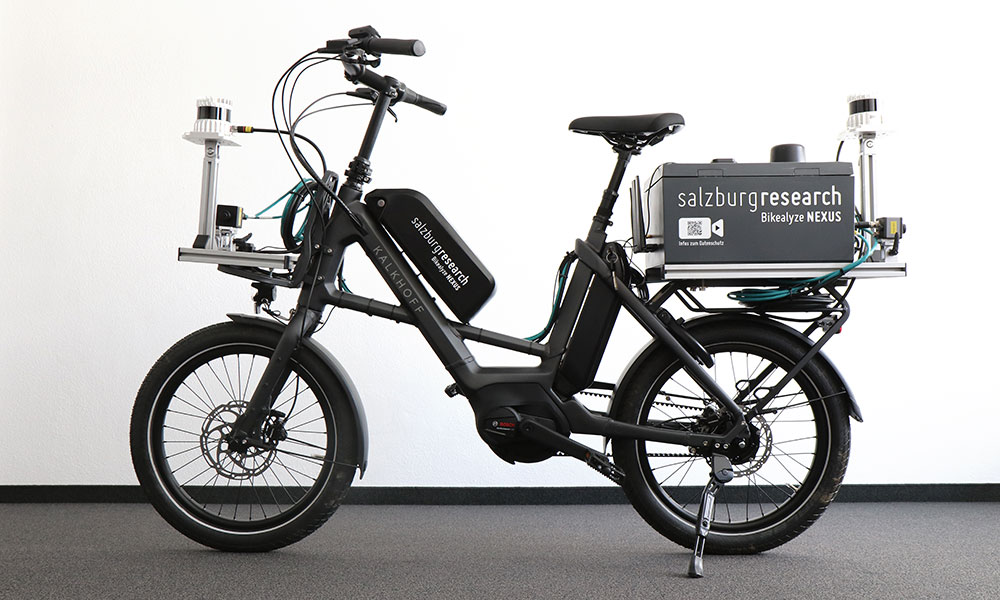
Since 2021, Salzburg Research has used specially designed research bicycles to record and analyze interactions between cyclists and other road users in public traffic environments. The aim is to objectively document real-world traffic situations to enable evidence-based conclusions to be drawn about cyclists’ safety.
A newly developed bicycle, representing a technological advancement over the previous models, has been in use since spring 2026. The Bikealyze NEXUS system architecture includes an embedded high-performance computer, a high-precision GNSS system, two LiDAR sensors (3D laser scanners) for three-dimensional mapping of the surroundings, three cameras and a C-ITS on-board unit. These components enable highly accurate collection of position, motion and environmental data in real-world traffic conditions.
Privacy Notice
The research bicycle is used to capture video footage to investigate safety risks in bicycle traffic and assess the quality of bicycle infrastructure. Data collection has been reported to the Austrian Data Protection Authority.
For further inquiries, please contact: Salzburg Research Forschungsgesellschaft mbH
Cornelia Zankl, cornelia.zankl@salzburgresearch.at, T 0662.2288-317
Three-dimensional representation of the surroundings
The LiDAR data produces point clouds, which are three-dimensional images of the environment. These point clouds can be used to determine the position and size of vehicles, as well as calculate relevant parameters such as distance and speed. This data provides a solid foundation for scientific analysis and developing targeted measures to improve road safety for cyclists.

A wide range of applications for greater road safety
The Holoscene Bike is being used in various research projects aimed at increasing the safety of cyclists on the road. Two key use cases demonstrate this technology’s potential:
Networking with automated vehicles
In the initial application, the Holoscene Bike was equipped with ITS communication technologies that transmitted its position and direction of movement to surrounding vehicles and the traffic infrastructure in real time via a special radio standard. This allowed automated vehicles to detect the bicycle early on, even when it was outside the range of their sensors. At the same time, cyclists received warning messages when potential collisions were detected. This solution was developed and tested as part of the Bike2CAV project, which aims to avoid collisions with cyclists through vehicle-to-X communication.
Measurement of overtaking maneuvers for objective assessment of bicycle traffic safety
Another key application is analyzing overtaking maneuvers between motor vehicles and cyclists, especially in confined road conditions. Salzburg Research has developed a method that uses the Holoscene Bike to systematically record and evaluate these maneuvers. This method uses point clouds generated by LiDAR sensors to identify vehicles and precisely measure their distance from the bicycle during these maneuvers. Analyzing overtaking distances provides important insights into cyclists’ objective safety and supports developing targeted measures to improve cycling infrastructure. This method was used in the following research projects:
- RADBEST – Cycling guidance in confined road conditions
- MZSFreiland – Optimization of cycling infrastructure: Study on multi-purpose lanes with a narrow core lane on Austria’s open roads
The new research bike (starting in 2026) was developed jointly by Salzburg Research and ALP.Lab and built on a compact cargo bike from Kalkhoff.
Die Stadt verdoppelt das Radverkehrsbudget und testet neue Bodenmarkierungen in der Nussdorfer Straße
Salzburg will erneut Fahrradhauptstadt Österreichs werden. Die Stadt verdoppelt das Radverkehrsbudget und testet neue Bodenmarkierungen in der Nussdorfer Straße. Salzburg Research misst mit einem Forschungsfahrrad die Überholvorgänge, um die Verkehrssicherheit für Radfahrer zu verbessern und in
zukünftige Planungen einfließen zu lassen.
Real-World Laboratory for Safe Cycling in Salzburg: New Markings
The city of Salzburg is testing recommendations from the RADBEST research project to increase road safety in constricted road situations. Different road markings will be applied to Nußdorferstraße in two phases. After a familiarization phase with a research bicycle, Salzburg Research will test the overtaking distances between motor vehicles and bicycles.
For many people in Salzburg, cycling is part of everyday life. The city has a well-developed network of bike paths. However, in many places, it is not possible to construct cycling facilities wide enough to comply with the guidelines due to existing road widths. Without suitable alternative routes, these sections of road remain part of the city’s cycling network. The Nußdorferstraße real-world laboratory, operated by the mobility laboratory zukunftswege.at in cooperation with Salzburg Research and con.sens mobilitätsdesign, is testing the effects of new road markings on the overtaking distance between motor vehicles and cyclists on behalf of the city and province of Salzburg.
The markings for the first part of the test phase were installed on the night of May 14th.


Objectives
The cycling routes recommended in the RADBEST project will be tested on sections of Nußdorferstraße between the Bräuhausstraße intersection and the Moosstraße roundabout, extending to the intersection with Leopoldskronstraße. The city of Salzburg aims to improve the quality of the cycling infrastructure and, consequently, the safety of cyclists in the city.
The cycle lanes are marked on the ground with road markings. This is intended to draw the attention of drivers to potential cyclists and raise their awareness.
The results should provide the city of Salzburg’s planning department with a scientifically sound basis for increasing road safety for cyclists on narrow roads in the future.
Recommendations from the RADBEST research project
In the RADBEST research project, Salzburg Research and its partners recorded and analyzed over 7,000 overtaking maneuvers between motor vehicles and cyclists on 22 test routes in Germany, Austria, and Switzerland. They then derived specific recommendations for action in congested road situations in these three countries.
The results showed that infrastructure in constricted conditions must communicate more clearly, for example, through sharrows, large pictograms, or wide multipurpose lanes with narrow core lanes, to ensure the minimum overtaking distance. Examples from other states show that drivers maintain greater distances thanks to the recommended road markings.
These recommendations are currently being tested in the real-world laboratory on Nußdorferstraße in Salzburg.
Test position structure
The Nußdorferstraße is divided into two test sections:
- Section 1 runs from the intersection with Bräuhausstraße to the traffic circle at Moosstraße.
- Section 2 runs from the Moosstraße roundabout to the intersection with Leopoldskronstraße.
Section 1: Using Multi-Purpose Strips for Ground Marking
Phase 1: from May 2025

For the first test phase, 2-meter-wide multipurpose lanes with bicycle pictograms will be installed between Moosstraße and Bräuhausstraße. A 3-meter-wide core lane will remain in the middle of the roadway.
Phase 2: from August 2025

The second test position involves adding red block markings to the existing multipurpose lanes and cycle pictograms.
Section 2: Floor Marking with Pictograms and Sharrows
Phase 1: from May 2025

Section 1 tests the effect of large wheel pictograms and sharrows on road safety. These pictograms and sharrows are placed on the road at approximately 25-meter intervals.
Phase 2: from August 2025

The second test position involves adding red block markings to the existing wheel pictograms and sharrows.
Rides with the research bike
Salzburg Research will test different marking variants by riding a research bicycle. The bicycle is equipped with LiDAR sensors, cameras, and other sensors that can record the entire overtaking process in three dimensions. A total of 160 overtaking maneuvers will be recorded and analyzed to objectively test the effects of the different markings on the safety of cyclists on Nußdorferstraße.

More information: https://www.zukunftswege.at/teststrecke/
SAM-AT – Strategy and implementation preparation for traffic information through integrated traffic management in the mobility system
In the SAM-AT study, the technical and organizational requirements as well as recommended measures for a cross-operator traffic information and traffic management system at national level are being developed.
moreMUST – Multimodal traffic control through the combination of innovative information channels
The aim of the MUST project is to directly and indirectly influence mobility behavior in terms of climate and environmentally friendly traffic management through traffic avoidance, modal shift and traffic improvement. This is to be achieved by testing and evaluating the effectiveness of traffic information tailored to user groups via (new) information and communication channels using pilots in test corridors.
moreCommunity Aggregation Tool for Energy Communities
The Community Aggregation Tool from Salzburg Research provides energy communities with a real-time, comprehensive overview of their collective energy balance.
An energy community is a legally and structurally defined association of citizens, municipalities, companies, or other organizations with the aim of generating, consuming, storing, and selling renewable energy. Surplus energy can be shared with other community members. Such direct trade within the community reduces costs.
To better coordinate energy production and consumption, it is helpful to understand the current energy balance. This enables loads to be shifted so that electricity is consumed when a large amount of self-generated electricity is available within the energy community. Devices such as heat pumps, storage units, and electric cars can be controlled based on load and yield. For instance, if an abundance of solar power is available at 4 p.m., the battery storage system can be charged accordingly, or flexible consumers, such as electric cars, can be activated.
Technical framework conditions in energy communities
Participants in an energy community require a smart meter that allows for 15-minute interval measurements. Without this data, billing within the community is impossible. These measurements are typically made available the following day via the EDA platform, which facilitates the centralized exchange of energy data in Austria. For an energy community, this means the data is received at 15-minute intervals with a delay of one or two days. This delay is too long for targeted optimization of generation and consumption.
Real-time insight into the energy balance
Every Smart Meter in Austria (and many in Europe) has a so-called customer interface. This physical interface allows end users to read detailed consumption data, typically with a resolution of a few seconds. The Community Aggregation Tool from Salzburg Research collects this high-frequency data from participating households and aggregates it to display the entire community’s energy balance in real time.
Example: Data from a small energy community consisting of three households, two photovoltaic (PV) systems, one battery storage unit, and one electric vehicle on a sunny day at the end of April.

Advantages of real-time data from the Community Aggregation Tool
Real-time data enables two interesting optimization applications:
- In the event of surplus production, additional consumers can be activated. For example, electric vehicles can be charged (“real-time load shifting”). This optimization has a lot of potential, especially in the morning.
- If consumption exceeds generation, battery storage can be controlled to more efficiently cover the load curve (“battery-assisted load matching”). In this case, this optimization could be implemented until 7:30 a.m., from 6:15 p.m. onwards, and during individual peaks throughout the day.
Requirements for the Community Aggregation Tool
To use the Community Aggregation Tool from Salzburg Research, you will need:
- A Smart Meter (which you most likely already have)
- A small additional device that connects to the customers interface of the Smart Meter and transmits the data to the Community Aggregation Tool
The Community Aggregation Tool then provides an online dashboard, as shown in the example, where you can view the aggregated data at any time, updated every minute.
If you are interested in using the Community Aggregation Tool, please feel free to contact us at any time for a non-binding, personalized consultation.
ESTRAL – Ecological and safe transport systems through digitization of the law
ESTRAL develops recommendations for the creation of digital legislation in road transport based on representative use cases for the purpose of increasing the safety, efficiency and sustainability of the transport system as well as the presentation of the resulting benefits.
moreTAAM Austria – Toolbox for Agile urban Accessibility Management – Austrian project part
TAAM aims at a full digital lifecycle being supported by an integrated toolbox of existing web-based tools of consortium members which enables smart cities and regions to create, manage and publish their traffic management strategies or regulations for more sustainable mobility as well as analysing their impact.
moreKoDRM-AT – Concept study for the implementation of a national mobility data space in Austria
The R&D service KoDRM.AT addresses the tender priority 3.1.1 National Mobility Data Space and develops legal, organizational and technical concepts and implementation steps on how mobility data can be shared in the future within the framework of a national mobility data space, taking into account European standards and national structures.
moreMZSFreiland – Optimization of cycling infrastructure: Study on multi-purpose lanes with a narrow core lane on Austria’s open roads
Study on multi-purpose lanes with a narrow core lane on Austria’s open roads. Measurement of objective safety with Holoscene Bike.
moreWETSAFE – Effective detection of hazards and adapted behavior of (autonomous) vehicles in heavy rain events
The WETSAFE project aims to improve safety on freeways during heavy rainfall events by preventing and adapting the driving behavior of manually controlled and (partially) automated vehicles.
moreElectric Vehicles as Flexible Energy Storage: New Business Models
The growing popularity of electric vehicles offers more than just sustainable mobility. According to a recent white paper, shared e-vehicle fleets can be used as mobile energy storage to promote grid stability, utilize renewable energy more efficiently, and generate economic benefits.
Definition of terms:
- Intelligent charging allows you to adjust the power and time frame of the charging process based on external price fluctuations. For instance, an electric vehicle could be charged slowly overnight when electricity prices are low.
- Bidirectional charging, also known as vehicle-to-grid (V2G), is an advanced form of smart charging. It enables the return flow of energy. In other words, energy can flow not only from the grid to the battery, but also from the battery back to a building or the grid.
Innovative use of e-vehicle fleets
The white paper examines four case studies from Austria, Switzerland, and Israel that analyze various business models for e-vehicle fleets:
PV-optimized self-sufficiency in Austria
- Intelligent Charging: In a system without PV and with dynamic electricity prices, smart charging reduces energy costs by 27% compared to uncontrolled charging. In a system with PV and static electricity prices, smart charging can reduce energy costs by 68% by charging during periods of excess PV generation.
- V2G: In a constellation without PV and with dynamic prices, V2G reduces energy costs by 29% compared to uncontrolled charging. Additionally, the fleet can sell energy to the grid, increasing the overall balance (revenue from energy sales minus energy costs) by 46%. In the same configuration including PV, the overall balance increases by 46%. In a configuration with PV and static prices, V2G can reduce energy costs by up to 93% and increase the overall balance by 14%. However, if battery degradation costs are included in the optimization, the potential profits from energy sales are halved. In certain configurations with high battery degradation costs, these costs can wipe out the entire profit.
Conclusion:
- Intelligent charging is an easy way to reduce energy costs.
- V2G has the potential to generate profits through energy trading.
- The cost of battery degradation is a relevant factor as well.
- Although the monetary value of smart charging and V2G is modest, both enable significant benefits in relative terms.
Grid stabilization in Zurich
A fleet of 24,000 electric vehicles demonstated the ability to reduce peak electricity grid loads by up to 6%.
Conclusion:
- Future electric vehicle (EV) fleets will have the battery capacity to stabilize the grid.
- Electricity price structures offer hardly any incentives for peak shaving.
- Economic incentives for peak shaving require exceptionally high peak electricity tariffs and available battery capacity.
Energy trading with e-vehicles
- Intelligent Charging: With an average dynamic tariff, energy costs are reduced by 5.9%. This reduction is modest due to the dynamic tariff’s low price range (electricity price between €0.22 and €0.25/kWh). However, smart charging combined with a fluctuating tariff (prices ranging from -0.01 to 0.24 euros/kWh) can reduce energy costs by 49%. However, such price fluctuations are rare in the system studied and only occur a few times a year.
- V2G: Combining V2G with a strongly fluctuating dynamic tariff reveals the technology’s full potential. Energy costs can be reduced by 59%. Additionally, V2G generates significant profits, which are 140% higher than original energy costs without V2G. Consequently, energy costs are reduced and profits are generated. However, sufficiently fluctuating dynamic prices are rare. When battery degradation costs are added to the optimization model, the balance deteriorates, and the trading profit is nearly eliminated. Nevertheless, total costs fall by 94%. In this specific scenario, characterized by low energy costs, V2G combined with a fluctuating dynamic tariff can generate up to 14.4 euros per vehicle per month.
Conclusion:
- V2G and dynamic pricing have the potential to significantly reduce energy costs.
- However, an EV fleet used for energy trading generates minimal profits.
- Realistic price structures offer few opportunities for energy trading.
- Profits from electricity trading require a sufficiently wide price range.
- Battery degradation costs are a relevant factor that can prevent the profitable application of V2G.
Utilization of PV surplus in Tel Aviv
A simulation for the year 2030 revealed that storing up to 5% of surplus solar energy in large vehicle fleets could reduce emissions and lower energy costs.
- Urban Perspective: Smart charging and V2G technology increase the PV surplus utilization rate in every scenario. V2G always achieves the highest rate. Relatively speaking, the highest PV utilization rate is 22.39%. This rate is achieved in a scenario with a large fleet and the lowest assumed PV generation. The largest absolute amount of utilized surplus energy is realized in a scenario with a large fleet and large PV generation, accounting for approximately 5% of the total PV energy surplus. However, the maximum amount of excess PV energy used accounts for only 0.41% of the city’s total energy consumption.
- Fleet Perspective: In this configuration, an electric vehicle (EV) fleet can save up to 56% on energy costs by using smart charging and up to 58% with V2G technology. Additionally, V2G allows the fleet to use more surplus PV energy than it originally consumes. Consequently, the amount of energy originally drawn from the grid can be significantly reduced and replaced with low-emission excess PV energy. Therefore, V2G reduces CO2 emissions. When energy prices are low, the monetary value of the CO2 reduction can be significant.
Conclusion:
- Only a small amount of surplus PV energy can be used by an EV fleet. However, the amount used is not system-relevant.
- Mobility behavior influences the fleet’s ability to utilize excess PV energy.
- Intelligent charging can significantly reduce an EV fleet’s energy costs. V2G can even generate profits.
- V2G enables virtually climate-neutral vehicles.
- Large-scale PV surplus utilization requires a large EV fleet.
Opportunities and challenges
The results demonstrate the significant role that EV fleets can play in the future energy system. Significant savings and efficiency gains can be achieved, especially when EV fleets are combined with solar energy and dynamic electricity pricing models. However, challenges remain, including regulatory frameworks, battery degradation, and the need for a critical mass of vehicles.
While some business models are economically attractive today, such as optimizing self-consumption through photovoltaics (PV), large-scale integration of electric vehicles (EVs) into the energy system requires further innovation and political adjustments. The results of the white paper, however, deliver a clear message: electric vehicles are not just a means of transportation; they could also play a key role in the energy transition.
Publications:
- Guntram Pressmair, Jakob Papouschek, Michael Thelen, Roberto Rocchetta, Jalomi Maayan Tardif, Aviva Shemesh (2024): New Business Opportunities Leveraging the Flexibility Potential of Electric Shared Vehicle Fleets. GAMES Industry White Paper.
- Guntram Pressmair, Jakob Papouschek, Michael Thelen, Roberto Rocchetta, Jalomi Maayan Tardif, Aviva Shemesh (2025): Executive summary of the GAMES Industry Whitepaper: New business opportunities leveraging the flexibility potential of electric shared vehicle fleets. Zenodo. https://doi.org/10.5281/zenodo.14802682.

“GAMES – Grid Aware Mobility and Energy Sharing” has received funding from the European Union’s Horizon 2020 research and innovation program under grant agreement No. 883973 through the ERA-Net Smart Energy Systems and Mission Innovation Joint Call 2020.
LugeSens – Sensor-Based Analysis of Steering Characteristics in Luge
From concept to field measurements: LugeSens provides data-driven insights into luge racing control and dynamics.
moreSiegfried Reich Confirmed as Managing Director
Salzburg Research is starting its anniversary spring with a pleasing personnel decision: Siegfried Reich, managing director of the institute since 2003, has been reappointed for another five years in April 2025. At the same time, Salzburg Research is celebrating its 25th anniversary – a quarter of a century of applied research for a sustainable and innovative future.
Siegfried Reich, who was born in Pongau and holds a doctorate in business informatics, has played a key role in shaping Salzburg Research for more than two decades. After holding a number of international positions, including a research fellowship at the University of Southampton, Reich returned to Salzburg in 2000 and became head of the state-owned institute three years later. Since then, he has consistently pursued the goal of establishing Salzburg as a strong location for research and innovation.

“Over the past decades, we have become a highly networked and fundamental building block in Salzburg’s innovation ecosystem. For many years now, we have been active in the entire spectrum of application-oriented research.
– Siegfried Reich, Managing Director, Salzburg Research
Unter seiner Leitung initiierte Salzburg Research wegweisende Kompetenzzentren im Bereich Digitalisierung im Tourismus (2005–2011) und Digitalisierung im Sport (2018–2028), in enger Zusammenarbeit mit Wirtschaft, Wissenschaft und Verwaltung.
25 years of applied research with impact
Salzburg Research looks back on impressive figures on the occasion of its 25th anniversary:
- 593 Research & Development projects
- 1.080 partner organizations within the network
- 55 awards
- 434 knowledge transfer events
- 1.385 publications
- 8.070 media reports – this corresponds to an average of one media mention per day.
Salzburg Research would like to thank all its partners and invites to continue working together on solutions for the great challenges of our time – for a networked, sustainable and innovative world.
More information:
- Figures, data, facts on the 25th anniversary, success stories from the last 25 years and alumni feedback: https://www.salzburgresearch.at/en/25-years-of-salzburg-research/
- Reappointment of Siegfried Reich (press release): Wiederbestellung: Siegfried Reich als Geschäftsführer von Salzburg Research bestätigt
Wiederbestellung: Siegfried Reich als Geschäftsführer von Salzburg Research bestätigt
Siegfried Reich, seit 2003 als Geschäftsführer des Forschungsinstituts Salzburg Research, wurde im April 2025 erneut für weitere fünf Jahre bestellt.
Der Wirtschaftsinformatiker Siegfried Reich wurde 1967 in St. Johann im Pongau geboren und wuchs in Salzburg auf. Nach dem Studium der Angewandten Informatik an der Universität Linz promovierte Reich 1995 in Informatik und Wirtschaftswissenschaften an der Universität Wien. Von 1996 bis 1999 war er als Post-Doc Forscher und Dozent in der Multimedia Research Group an der University of Southampton (U.K.) tätig. 2000 kehrte er in die Heimat zurück und startete bei der 2000 ins Eigentum des Landes übergegangenen Salzburg Research Forschungsgesellschaft. Seit 2003 ist er Geschäftsführer des Forschungsinstituts. Im Jahr 2012 wurde er von der Universität Salzburg zum Honorarprofessor ernannt. Die Geschäftsführung wird – wie bei allen landeseigenen Organisationen – alle fünf Jahre neu ausgeschrieben. Im April 2025 wurde Siegfried Reich für weitere fünf Jahre bestätigt.
Salzburg Research hat sich von Anfang an als Forschungsinstitut mit dem Ziel etabliert, Salzburg nachhaltig in der Forschungs- und Innovationslandkarte zu positionieren. „Ich erinnere mich an eines meiner ersten Gespräche wo vom „Projekt Salzburg Research“ die Rede. Für mich war das ein enormer Antrieb: Wir sind mehr als ein Projekt, sondern ein hoch-vernetzter und elementarer Baustein im Salzburger Innovations-Ökosystem“, so Reich. Der gebürtige Pongauer hat Salzburg Research in den letzten 20 Jahren auf dem Weg begleitet, innovative, digitale Lösungen für die komplexen Herausforderungen einer nachhaltigen Zukunft zu entwickeln. „Wir haben versucht, die komplette Klaviatur der anwendungsorientierten Forschung zu bespielen. Seit vielen Jahren sind wir ein anerkannter Teil des Salzburger Innovations-Ökosystems“, sagt Siegfried Reich. Prominente Beispiele sind die Kompetenzzentren, die im Bereich der Digitalisierung im Tourismus (2005-2011) oder der Digitalisierung im Sport (2018 – 2028) mit vielen Partnern aus der Salzburger Wirtschaft und den Salzburger Universitäten inittiert wurden.
Salzburg Research feiert 25 Jahre
Im Jahr 2025 feiert Salzburg Research 25 Jahre. Im letzten Vierteljahrhundert hat Salzburg Research 593 Forschungs- und Entwicklungsprojekte durchgeführt, ein Netzwerk von 1.080 Partnerorganisationen aufgebaut, 55 Auszeichnungen erhalten, an 434 Transferveranstaltungen veranstaltet und 1.385 Publikationen erstellt. Die Arbeit des Forschungsinstituts wurde 8.070 Mal in den Medien erwähnt, was einer Medienerwähnung pro Tag entspricht. „Jubiläen sind bedeutende Meilensteine, die uns Gelegenheit geben, auf das Erreichte zurückzublicken, Erfolge zu feiern, die Zukunft neu zu denken und danke zu sagen“ so Siegfried Reich, Geschäftsführer der Salzburg Research, „Es waren Jahre des Engagements, der Kreativität und des gemeinsamen Erfolgs“.
Wir danken all jenen, die uns auf diesem Weg begleitet und unterstützt haben. Wir laden Sie ein, auch in Zukunft mit uns an den großen Fragen unserer Zeit zu arbeiten – für eine vernetzte, nachhaltige und innovative Welt. Vielen Dank für 25 Jahre Vertrauen und Partnerschaft!
https://www.salzburgresearch.at/25jahre/
Salzburg Research Forschungsgesellschaft mbH
Als angewandtes Forschungsinstitut entwickelt Salzburg Research innovative, digitale Lösungen für die komplexen Herausforderungen einer nachhaltigen Zukunft. Die Expertise liegt im Bereich der Informations- und Kommunikationstechnologien für die Analyse, Bewertung und Verwertung von Daten in den Kernkompetenzen Mobilität, Sport, Gesundheit und Energie. Ziel ist, gemeinsam mit zukunftsorientierten Unternehmen und der öffentlichen Hand, sowohl einen wirtschaftlichen als auch gesellschaftlichen Mehrwert zu generieren.
Rückfragehinweis:
Univ.-Doz. Dr. Siegfried Reich
Salzburg Research Forschungsgesellschaft mbH
+43/662/2288-211 | siegfried.reich@salzburgresearch.at
Bildmaterial:


Young Investigator Award: Innovative Ski Research Awarded
At the 10th International Congress for Science and Skiing, Christoph Thorwartl presented a study on measuring the angle of attack (AoA) when skiing – a project that went from the initial idea of a home-built simulation machine to application on real ski slopes. Thorwartl’s work earned him second place in the Young Investigator Award. The prize was awarded by a jury of six professors from different universities among 33 young researchers.
The published study “Beyond the Carving-Skidding Dichotomy: Sensor-assisted Measurement of Angle of Attack in Skiing” (Thorwartl, Schütz, Holzer, Resch, 2025) significantly extends the current understanding of skiing dynamics. Until now, skiing has been roughly divided into carving and drifting, but Thorwartl’s sensor-based approach allows for a more precise and continuous analysis of skiing behavior.
From the lab to the ski slope
As part of the study, four inertial measurement units (IMUs) and a GNSS module were mounted on a ski. The tests were conducted on real slopes with a specially equipped test skier who completed 20 turns per technique – carving, parallel skiing, and transitions between the two.
The data was filtered and analyzed in a multi-step process. The calculated AoA values show significant differences depending on the riding technique:
- Carving had the lowest mean AoA at 6.26°.
- In parallel ski steering, the average AoA was 18.80°, with a peak value of 32.47°.
- The transitions showed a characteristic curve with a maximum of 22.13° at the beginning of the swing.
These results confirm and simultaneously extend previous research: the angle of attack can be used as a precise indicator of a skier’s technique and style, independent of subjective judgments or complex video analysis.
Relevance for practice and training
The study emphasizes the importance of AoA as a key indicator for assessing skiing technique. The ability to measure the angle of attack in real time with a sensor opens up new perspectives for training, technique optimization and performance diagnostics in alpine skiing. Coaches and athletes can work on targeted improvements based on data and on an individual basis.
With this work, Christoph Thorwartl has given an innovative impulse to ski research. He impressively demonstrates how modern sensor technology paves the way to a new dimension of sports analysis.
The award-winning publication
Christoph Thorwartl, Sebastian Schütz, Helmut Holzer, Bernd Resch (2025): Beyond the Carving-Skidding Dichotomy: Sensor-assisted Measurement of Angle of Attack in Skiing. In: Proceedings of 10th International Congress on Science and Skiing.
From intelligent networking to securing critical infrastructure
Reliable, high-performance communication networks are the backbone of the digitally connected world. Modern societies depend on stable and secure networks for business, public services, critical infrastructure, and disaster relief. However, high-performance broadband access is not universal. Moreover, new technologies and the transition to wireless networks create new demands for security data protection, and stable transmission quality.
moreFrom the electricity grid to a more sustainable energy system
The growing demand for energy, the integration of renewable energy sources, and the need for a stable and secure energy supply present significant challenges to the energy transition. Intelligent networking of energy generation, distribution, and consumption is key to leveraging efficiency potential, balancing out fluctuations, and strengthening energy autonomy. At the same time, the growing digitalization of the energy sector necessitates robust IT security strategies and innovative solutions to optimize data centers and distributed systems.
moreFrom the digitalization of cultural and natural heritage to sustainable and smart tourism
Tourism is a key economic factor, yet it faces major challenges. Digitalization has fundamentally changed travel booking behavior, and the pressure to make tourism more sustainable is growing. In popular destinations, the growing number of visitors is causing problems such as overtourism, traffic congestion, and a decline in the quality of life for locals. Digital technologies offer new opportunities to enhance cultural experiences, manage tourist flows efficiently, and promote climate-friendly mobility.
moreFrom analyzing human movement to promoting greater well-being
Movement is essential for health, performance, and well-being, but movement quality, however, is crucial for avoiding injuries and optimizing performance. This is particularly important in sports, rehabilitation, and physically demanding professions, where precise analysis and specific improvement of movement sequences are essential. Traditional methods often reach their limits in this regard. Digital technologies and intelligent sensor networks offer new possibilities for objectively measuring and evaluating movements and providing real-time feedback.
moreBetter traffic management through smart traffic data
Rising traffic congestion, increasing urbanization, and the necessary shift towards sustainable mobility create major challenges for cities and regions. Congestion impairs quality of life, increases emissions, and leads to economic losses. Concurrently, the demand for efficient and safe traffic management systems that intelligently integrate various modes of transportation, ranging from motorized private vehicles to public and sustainable alternatives, is growing. To overcome these challenges, we need data-based solutions that enable informed decisions in traffic planning and pave the way for sustainable mobility.
moreAutomated Driving for Greater Road Safety
Transportation faces major challenges worldwide. Growing cities, increasing mobility needs, and the need to reduce emissions all require innovative solutions. At the same time, ensuring the safety of all road users, notably pedestrians and cyclists, is paramount. Automated and connected technologies offer promising approaches to making mobility more sustainable, efficient, and safe. However, these technologies must be thoroughly tested and further developed before they can be used across the board.

cityclimAIt – Study on AI applications to achieve and support climate-neutral cities
Recommendation catalogue and tool for AI technologies that support planning, monitoring and forecasting services of city administrations, transport and spatial planning as well as companies on the way to a climate-neutral city
moreSustainable Data Centers: How AI Can Be Up to 90 Percent More Energy Efficient
Artificial intelligence is to be turned from an energy guzzler into an energy saver. A German-Austrian research team wants to make AI up to 90 percent more energy efficient. To improve AI’s environmental footprint, data centers, language models, and visual models are being rethought.
Data centers consume a lot of energy. According to the German digital association Bitkom, their power consumption in Germany has more than doubled over the past decade. And the trend is rising sharply as digital transformation gains momentum.
AI as energy guzzler
Storing data, processing it, sending it back and forth, and retrieving it all requires electricity. Artificial intelligence in particular is a power guzzler. Teaching AI models with masses of data, training and operating them, and using them to generate text and images consumes many terawatt hours worldwide. More and more data centers have to grow bigger and bigger, require more and more electricity, more and more cooling and thus emit more and more CO₂.
Research aims to make AI more energy efficient
However, artificial intelligence can become much more energy efficient. With the right methods, the data centers of the future can be made more sustainable. Researchers in Germany and Austria are developing leaner, more demand-driven AI models. Smaller and more efficient models would also make it easier for small and medium-sized businesses and enterprises to access powerful AI models, since smaller AI models do not require a large infrastructure.
Researchers at the participating research institutions are working on various methods to ensure that these leaner and more energy-efficient models perform as well as today’s chatbots and visual AI models:
- Knowledge Distillation: Knowledge is condensed using knowledge distillation: Small, focused, and economical student models are extracted from large teacher models. They concentrate on the knowledge required for a task area; non-essential parameters are not processed at all. This reduction to the essentials can make data models up to 90 percent leaner.
- Neural Architecture Search: “Neural architecture search is used to optimize visual AI models in particular. Neural networks mimic the human brain, but are currently the result of laborious manual work. Instead of manually designing the composition of neural networks, the AI should automatically find the best architecture.
- Placement in the edge-cloud continuum: It is currently common practice to collect data at the outer edges of the system (edge) and process it in centralized, high-capacity data centers (cloud). However, this is not necessarily the most energy efficient approach. Salzburg Research is developing a solution to analyze, evaluate and recommend an optimized placement of services and applications in the edge-cloud continuum.
From Lab to Field: Hands-On Scrap Sorting Trial
The project team is working with Stahl Holding Saar to test the optimized AI models in practice. The task is to automatically sort steel scrap. Only certain types of scrap are suitable for high-quality steels. Until now, however, the AI model was huge and consumed a lot of energy. As a result of the ESCADE research project, a small, tailor-made “AI brain” will be able to do this more efficiently, effectively and energy-savingly.
Recommendations for Decision Makers
The partners are also developing a blueprint and recommendations for sustainable data centers and energy-efficient AI. Until now, it has been difficult for decision makers to estimate how much energy they will consume for which models. Salzburg Research is developing a tool for automated measurement, analysis and visualization of sustainability metrics. The goal is to enable reliable predictions of the exact energy consumption and associated costs of AI models. In this way, inefficient processes can be identified and countermeasures taken, such as scheduling large computing capacities when electricity prices are low.
Presentation of research results at Hannover Messe
The researchers will be presenting their results from the ESCADE research project at the stand of the Federal Ministry for Economic Affairs and Climate Protection at the Hannover Messe:
Hannover Messe, March 31 to April 4, 2025
Stand of the Federal Ministry for Economic Affairs and Climate Protection (Hall 2 Stand A18)
The ESCADE research project “Energy-Efficient Large-Scale Artificial Intelligence for Sustainable Data Centers” is being funded by the German Federal Ministry for Economic Affairs and Climate Action (BMWK) and the Austrian Federal Ministry of Climate Action, Environment, Energy, Mobility, Innovation and Technology (BMK) with around five million euros over a period of three years. Project partners are: German Research Center for Artificial Intelligence (DFKI), NT Neue Technologie AG, Stahl-Holding-Saar GmbH & Co. KGaA, SEITEC GmbH, Dresden University of Technology, Bielefeld University and Salzburg Research as the Austrian partner.
https://escade-project.de
Reproducible Research and Development Environments for Deep Learning
Our service makes your research results reproducible with a single command, especially for statistics, signal processing, machine learning, and deep learning.
Reproducibility is a key requirement of scientific work. However, most research is difficult or impossible to reproduce. Code and data are rarely available, and development environments are often poorly documented or difficult to replicate. This poses a significant challenge to scientific integrity and the traceability of results.
Our deep learning reproducibility service helps universities and companies design research projects that can be easily and sustainably reproduced. Our solution is based on containerized, GPU-supported Jupyter environments, which provide a standardized, reproducible platform for experimentation.
Our services
We offer a comprehensive package to ensure the reproducibility of deep learning experiments. This package includes:
- Setting up a reproducible development environment: We have set up a standardized deep learning environment that can be accurately reproduced and version-controlled with just one command. It includes the programming languages and libraries Python, R, Julia, C/C++, Jupyter, PyTorch, TensorFlow, and Keras, which can be used within the same environment.
- Code standards and version control: We support the application of best practices for clean, documented code and Git-based version control.
- Referenced data sources: We assist with integrating and documenting external, persistently referenced data sources.
- Best Practices for Scientific Publications: We ensure that your research remains easy to understand, adaptable, and citable by using proven methods and tools.
Your benefits
With our solution, you benefit from:
- Increased research efficiency: Restoring the experimental environment is simple and saves time while avoiding errors caused by incomplete documentation.
- Sustainable scientific practice: Transparent and verifiable results strengthen scientific integrity, thus building confidence in your valuable work.
- Higher citability: A reproducible publication is preferred by colleagues at other research institutions, who then cite it more frequently.
Make your research results easily reproducible and increase the reach and adaptability of your scientific work!
Autarkie in Energiegemeinschaften: Wie viel Unabhängigkeit ist möglich und wirtschaftlich?
Das Forschungsprojekt Autarkity von Salzburg Research untersucht, wie Energiegemeinschaften ihren Autarkiegrad steigern können. Aber Autarkie ist nicht gleich Autarkie – der Begriff wird oft unscharf verwendet. Hier erfahren Sie, wie sich die drei zentralen Formen der Energie-Autarkie unterscheiden lassen. Und die Einladung an Sie: Werden Sie Teil der Diskussion!
Autarkie ist ein Begriff, der im allgemeinen Sprachgebrauch oft etwas schwammig verwendet wird. Besonders wenn es um Energie geht, gibt es jedoch klare Definitionen, die für einen guten Diskurs auch benötigt werden. Im Forschungsprojekt Autarkity beschäftigt sich Salzburg Research aktuell mit dem Thema Autarkie in Energiegemeinschaften und wie man den Autarkiegrad steigern kann.
Drei zentrale Formen der Energie-Autarkie
In unseren Betrachtungen unterscheiden wir dabei zwischen bilanzieller Autarkie, lastgerechter Autarkie und technischer Autarkie. Die Differenzierung ist notwendig, um den tatsächlichen Nutzen verschiedener Autarkiekonzepte zu bewerten.
1. Bilanzieller Autarkiegrad
Bilanzielle Autarkie bezeichnet den Zustand, in dem ein System (hier also eine Energiegemeinschaft) über einen bestimmten Zeitraum (z. B. ein Jahr) rechnerisch so viel Energie selbst erzeugt, wie es verbraucht. Dabei wird nicht betrachtet, ob Erzeugung und Verbrauch zu jedem Zeitpunkt übereinstimmen, sondern nur die Gesamtbilanz über den Zeitraum. Ein Beispiel wäre ein Gebäude, das im Jahresverlauf genau so viel Strom aus einer Photovoltaikanlage produziert, wie es verbraucht – auch wenn es in einzelnen Momenten Strom aus dem Netz bezieht.
Praktisch kann man den bilanziellen Autarkiegrad definieren als „Eigenerzeugung / Gesamtverbrauch“, das darf man nicht verwechseln mit dem Eigenversorgungsgrad, der sehr ähnlich definiert ist als „Eigenverbrauch / Gesamtverbrauch“.
Abseits von Energiegemeinschaften hat sich Österreich als Nation das Ziel gesetzt, bis 2030 den Gesamtverbrauch an Strom bilanziell zu 100 % aus erneuerbaren Energiequellen zu gewinnen (Referenz: energie.gv.at).
2. Lastgerechte Autarkie
Lastgerechte Autarkie bedeutet, dass ein Energiesystem zu jedem Zeitpunkt den eigenen Energiebedarf aus der eigenen Erzeugung (inkl. Batteriespeicher) decken kann. Im Gegensatz zur bilanziellen Autarkie, bei der nur die Gesamtbilanz über einen bestimmten Zeitraum betrachtet wird, setzt lastgerechte Autarkie voraus, dass Erzeugung und Verbrauch zu jedem Zeitpunkt übereinstimmen. Ein Beispiel wäre ein Gebäude mit einer PV-Anlage, das zu jeder Tages- und Nachtzeit genau den benötigten Strom selbst produziert oder gespeicherte Energie zur Verfügung stellt, sodass keine Energie aus dem Netz bezogen werden muss. In der Praxis ist das oft schwer (und viel schwerer als die bilanzielle Autarkie) zu erreichen, da wetterabhängige Erzeuger (z. B. PV oder Wind) nicht immer mit dem Lastprofil übereinstimmen. Ein lastgerechter Autarkiegrad von 50% bedeutet, dass für die Hälfte des Betrachtungszeitraumes (z.B. einem Jahr) lastgerechte Autarkie gegeben ist.
3. Technische Autarkie
Technische Autarkie beschreibt die Fähigkeit eines Systems, unabhängig von externer Infrastruktur (z. B. Strom-, Gas- oder Wärmenetz) zu funktionieren. Im Gegensatz zur bilanziellen Autarkie, die sich nur auf eine rechnerische Jahresbilanz bezieht, und zur lastgerechten Autarkie, die eine Deckung zu jedem Zeitpunkt erfordert, betont die technische Autarkie zusätzlich die Unabhängigkeit von externen Netzen und Versorgungssystemen. Ein Beispiel wäre ein Inselnetz, das mit PV, Windkraft, Batteriespeichern und einem Backup-Generator vollständig eigenständig betrieben wird, ohne an ein öffentliches Stromnetz angeschlossen zu sein.
Viele moderne Wechselrichter ermöglichen es Haushalten, bei einem Netzausfall in den Inselbetrieb zu wechseln, sodass sie sich zeitweise aus einer eigenen PV-Anlage und einem Batteriespeicher versorgen können. Diese Funktion bietet damit punktuelle technische Autarkie auf Haushaltsebene.
In Energiegemeinschaften ist dieser Inselmodus nicht umsetzbar, da die Teilnehmenden über das öffentliche Stromnetz verbunden sind. Sobald ein Haushalt in den Inselbetrieb wechselt, trennt er sich physikalisch vom Netz, wodurch keine Energie mehr mit anderen Mitgliedern der Energiegemeinschaft geteilt werden kann.
Wie kann Autarkie in Energiegemeinschaften erreicht werden?
Das Projekt Autarkity konzentriert sich insbesondere auf die lastgerechte Autarkie und untersucht, wie innovative Technologien den Autarkiegrad in Energiegemeinschaften erhöhen können und ob der Wunsch nach Autarkie mit einer tatsächlichen Zahlungsbereitschaft der Nutzer:innen einhergeht.
Mitmachen & Vernetzen
Sie sind Teil einer Energiegemeinschaft, haben eine innovative Idee oder Produkt in diesem Bereich oder interessieren sich ganz einfach für das Thema Autarkie in Energiegemeinschaften? Dann kontaktieren Sie uns!
Participants Wanted: Exercise and Stress
We are looking for participants for a study on exercise and stress. Take part in our sports science survey and win one of ten Adidas gift vouchers.
Are you physically active?
And would you like to find out how exercise helps to buffer stress?
You are:
- over 18 years old
- regularly physically active, e.g. you play a sport every week
General conditions:
- Online survey
- open until 24 April 2025
- Duration of the survey: 30-40 minutes
- Opportunity to take part in the prize draw for 10 adidas vouchers
Your participation is very important and contributes to valuable findings that explain the connection between exercise and stress.
Thank you for your support!

The survey was conducted in the context of the COMET competence project DiMo-NEXT – Next Level of Digital Motion in Sports, Fitness and Well-being.
Wearable-based estimation of continuous 3D knee moments during running using a convolutional neural network
This study aimed to develop and validate a machine learning method to estimate continuous 3D knee moments during running from wearable sensor data. Reference knee moments were calculated from 19 recreational runners during treadmill running at varying slopes (0 ± 5 % incline), speeds (self-selected ± 1 km/h) and in 3 types of footwear. A convolutional neural network was trained on data from 7 inertial measuring units (feet, shanks, thighs, sacrum) and a pair of pressure insoles. We assessed performance over continuous time windows (CONT) and during stance phases (PHSS) by intraclass-correlation (ICC), normalised root mean squared error (nRMSE), and statistical parametric mapping. The agreement levels in the sagittal plane were good to excellent (ICC: 0.84–0.98), with low errors (nRMSE: 0.05–0.11). However, accuracy was lower for non-sagittal estimations (frontal ICC: 0.19–0.90, nRMSE: 0.08–0.23; transverse ICC: 0.72–0.94, nRMSE: 0.07–0.17). Accuracy decreased across all planes during PHSS. The proposed approach yields similar or better accuracy compared to previous work while requiring less preprocessing. It provides a viable method for wearable-based assessment of running kinetics in near real-time. Additional data and methods to address inter-individual variability could improve its precision in assessing frontal plane injury risk factors.
Blackout: Satellites to Help Power Grids Restart
After a major power outage, the grid needs to be restored gradually and precisely. A new research project coordinated by Salzburg Research is investigating how satellite communications can efficiently support this process, especially in combination with renewable energies.
Restoring the power grid after a blackout is technically challenging and must be coordinated across many power plants. The growing number of photovoltaic, wind, and small hydroelectric power plants makes the grid more complex, but they are also increasingly “black startable.” This means that they can be restarted independently of the grid. This potential of distributed renewable energy offers new opportunities for faster restoration of power.
Stable communication between the distributed generation units is a prerequisite for the restart and successful interconnection to a functioning overall grid. Traditional communication systems for coordinating the restart could be complemented by satellite communication: Low Earth Orbit (LEO) satellites should provide stable communication for coordinating distributed energy resources. Thanks to their independence from terrestrial infrastructure and their stable and fast data connection, LEO satellites offer a clear advantage — especially in crisis situations where conventional communication systems can fail.
The project develops a simulation model that couples power and telecommunications systems. The goal is to test new communication-based black start procedures. First tests show LEO satellites provide stable communications with low packet loss and latency of less than 50 milliseconds.
The “STARS” project is funded by the Austrian Research Promotion Agency (FFG) for one year. The project partners are the University of Passau and the Austrian Institute of Technology (AIT).
More information:
Blackout: Satelliten sollen beim Neustart des Stromnetzes helfen
Bei großflächigen Blackouts muss das Stromnetz schrittweise wieder hochgefahren werden. Ein Forschungsprojekt untersucht, wie Satellitenkommunikation zur beschleunigten Wiederherstellung der immer komplexer werdenden Stromversorgung beitragen kann.
moreIdeas Competition: The Salzburger Freilichtmuseum Is Looking for Exciting Digital Ideas
The Salzburger Freilichtmuseum is constantly expanding its offerings for guests and is looking for the most exciting (digital) ideas together with its existing and future guests. The new ideas competition on the IdeaSpace idea platform from Salzburg Research focuses on improving the museum experience.
Everyone has different ideas about a museum visit. What does it take to make a visit attractive to you, to make you remember it fondly, and to make it feel like time well spent? What do you need to experience to make you want to come back or recommend the museum to others?
We are looking for ideas to enhance the visitor experience at the Salzburger Freilichtmuseum. The focus is on the use of new technologies. A maximum of five ideas per person can be submitted by 15.05.2025 in the following subject areas:
- Offers in the museum
- Offers before and after the visit
- Communication between museum and guest
- Visitor service
- Other services
Together with our current and future guests, we would like to continue to develop and expand the services offered by the Salzburger Freilichtmuseum.
Give free rein to your creativity — we are especially happy to hear about unconventional, inspiring approaches. There are valuable rewards for the best ideas.
Be a part of something big – it’s that easy!
Salzburg Research’s IdeaSpace ideas platform is all about your ideas! Help us solve questions and problems by submitting your ideas, working on ideas with other creative minds, and getting honest feedback. We welcome everyone, because good ideas know no boundaries! Discover the power of the network that connects you with like-minded people, experts and exciting institutions and companies.
Join in and shape the future together with us in the IdeaSpace!
PASSAT – Digital Product Passport Austria and Beyond
PASSAT helps Austrian companies implement the Digital Product Passport, promoting sustainable growth through the circular economy and innovative production processes. The DPP provides reliable product data throughout the entire life cycle, enabling waste reduction, longer product use, and new business models.
moreMake your dataset representative: Fill data gaps with active measurements
Collecting real-world data in mobile communication has the drawback that these data are often not representing the real world. This happens due to passive collected data. The representativeness of a dataset can increase by adding active collected data. In this active data acquisition, we collect data with respect to specific characteristics like time of day or weekday, that are representing the integrity of the dataset. Thus, we explore a method to calculate our data gaps based on Active Learning and do active measurements to fill these gaps afterwards. Finally, we compare our newly collected data with our passively collected data to evaluate our method.
New Business Opportunities Leveraging the Flexibility Potential of Electric Shared Vehicle Fleets.
The overall concept of using EVs as flexible storage seems simple and convincing: There are countless cars spread out throughout our cities, moving during rush hour but idle most of the day. With modern cars having battery capacities from 50 up to 100 kWh, this sums up to vast amounts of battery storage being available for supporting electricity grids and shifting energy demand towards times of renewable surplus generation. But what sounds like a low hanging fruit in theory faces a lot of practical barriers: How to coordinate all those cars in an efficient manner? Does it affect the lifespan of the batteries? And most importantly, is there actually a viable business model for both fleet owners and energy industry? Focussing on the latter question, this report investigates potential business opportunities in three distinctive case studies: from PV self-consumption optimisation at a company headquarter in Austria, peak shaving for better grid stability in the city of Zurich, to using PV surplus generation in a (possibly) highly solar energy system of Tel Aviv metropolitan area in the year 2030 – all made possible by deploying smart charging strategies of electric vehicles, operated as shared vehicle fleets. Based on these case studies, the authors want to find out more about the energy prices, tariff structures, fleet sizes and much more that are needed in order to make such business models happen as soon as possible. The analysis is based on real and simulated mobility data retrieved from the national partners in Switzerland (Mobility.ch and SUPSI university) and Israel (AutoTel and Reichman University) and uses the “e7 flexibility model”, specifically developed for the GAMES project by the Austrian research and consulting company e7 energy innovation & engineering.
Feedback in Echtzeit: Wie Freizeit-Skifahrende durch innovative Technologie von Profis lernen können
Custom Smartphone Application to Guide Locomotor-Respiratory Coupling in the Field Using Step-Adaptive Breathing Sounds.
While running is amongst the most popular activities for competition and leisure, an estimated 20-40% of runners may suffer from respiratory limitations. Some of these runners may benefit from breathing techniques to improve performance or alleviate respiratory discomfort. One such technique is locomotor-respiratory coupling (LRC), a frequency and phase synchronization of breath to step. Studies have demonstrated that LRC may benefit ventilatory efficiency via “step-driven flows,” and some experts have argued it could be used for pacing exercise or increasing positive emotional states. Nevertheless, it may be difficult to perform without coaching or guidance. Here we propose RunRhythm, a custom smartphone application to deliver step-synchronized sound guidance for LRC. This concept builds on previous evidence that sound guidance can be effective and integrates features to maximize adherence and individualization. Preliminary results show that this application is a promising and efficacious method suitable for research on LRC in field exercise. Recommendations for use and further development are discussed to further develop this concept for the benefit of a wider population.
Beyond the Carving-Skidding Dichotomy: Sensor-assisted Measurement of Angle of Attack in Skiing
INTRODUCTION:
A carving turn is defined by the ski experiencing minimal to no lateral movement relative to its path. Divergence between the ski’s orientation vector (E) and the resultant velocity vector (v), known as the angle of attack (AoA), results in skidding. Reid et al. (2020) investigated the AoA in the field using a videographic method, but this approach was laborious [1]. Up to now, only Schütz et al. (2024) have reported a sensor-based solution, but it was tested solely in the lab, without field data [2]. Therefore, this study aims to evaluate a sensor-based solution for detecting AoA in the field and distinguishing between carving, parallel ski steering, and transitions.
METHODS:
Four IMUs (Xsens DOT) and a GNSS (Xsens, MTi-680G) were equipped to the ski (Atomic Redster G7, length: 1.82 m, radius: 17.3 m) with the antenna of the GNSS sensor placed directly on top of the GNSS sensor. The participant carried a backpack with a laptop to connect to the GNSS and performed 20 turns of each of the following: (i) carving, (ii) parallel ski steering, and (iii) transitions from parallel ski steering to carving. To address distortions in v data during skiing, a three-step filtering process was applied separately to each dimension: (i) Kalman smoothing, (ii) Hampel filtering for outlier removal, and (iii) Butterworth low-pass filtering. The AoA was subsequently calculated using the procedure outlined in previous research [2]. The runs were divided into individual turns using gyroscope-based turn detection in accordance with Martinez et al. (2019) [3]. The right turns (instrumented outer ski) were time-normalized, and the mean AoA ± standard error (SE) was calculated for each technique.
RESULTS/DISCUSSION:
The results indicate that carving has the lowest mean AoA of 6.26°, while parallel ski steering has the highest mean AoA of 18.80°. The peak AoA for parallel ski steering is 32.47°, and the minimum AoA for carving is 4.09°. This is in line with past research, showing that the AoA increases as skidding is introduced [1]. During the transition, the maximum AoA of 22.13° is reached at approximately 20% of the turn completion, after which it decreases. This observation aligns with the video data, which clearly shows a transition from a skidding to a carving turn. In summary, each skiing technique can be associated with a distinct progression of the AoA during a turn.
CONCLUSION:
Given that the AoA examines the definition of carving, the authors consider it crucial for monitoring and improving performance. Tracking AoA gives coaches and athletes insights to refine technique and make data-driven adjustments for better skiing proficiency.
Trends, Perspectives, Opportunities, and Challenges with Sensor Technology in Wintersports
Recent developments in sensor technology have made sensing units cheaper and easier to implement. These developments have made the application of “wearable technology”, or smart sporting equipment appealing to a broad audience allowing measuring metrics of motion quantity (e.g. distance, time, number of cycles) and motion quality, or how well a sport technique is performed. In the current presentation the concept of an instrumented ski boot, an instrumented alpine ski using the PyzoFlex® sensor foil technology and the determination of force components and measures of effectiveness within various cross-country skiing (XCS) techniques applying a push-off model is presented.
The Atomic connected boot consists of an IMU mounted on the shaft of the boot. With this concept macroscopic metrics like turn detection, turn count (1) and jump detection (2) were developed while on a more microscopic level a skiing style detection algorithm and carving score concept (3) was established to determine the skiing/carving quality while skiing. Ski deflection is a performance-relevant factor in alpine skiing and the segmental and temporal curvature characteristics along the ski have lately received particular attention. Recently, a PyzoFlex® ski deflection measurement prototype was introduced that demonstrates high reliability and validity in both static and dynamic situations both in the laboratory (bending machine, bending robot, vibration measures) and in the field while skiing (4).
The primary mechanical determinant of XCS performance is the propulsive force from both skis and poles represented by the force components along the skiing direction. The determination of force components, the relative contributions of upper-and-lower-body work to propulsion and the translation of resultant forces into propulsive forces (effectiveness) is of interest from a general locomotor perspective but also for coaches and athletes to choose situation dependent the appropriate skiing technique, to develop more effective techniques and to tailor the general conditioning program according to the biomechanics of the single XCS techniques. In various studies resultant forces were recorded using pressure insoles, force bindings, force systems integrated into skis and poles. Force components were determined by track integrated force plates or combinations of resultant forces with 3D kinematic measures. Here we present a model to determine force components, effectiveness, upper vs. lower body contribution based on leg and pole forces and 3D kinematics in various XCS techniques.
In all presented concepts the challenge lies in further developments for integration into non-obtrusive technologies in communication with conventional measuring devices (e.g. smart watch, training app) allowing for enhanced quality of training/competition metrics, feedback systems assisting in technique training, support for ski equipment selection and equipment customization etc.
Evaluating traffic trajectories from stationary multiple object tracking systems
Stationary multiple object tracking (MOT) systems beside the road infrastructure are increasingly used to acquire detailed trajectory data of traffic participants. While comprehensive methods for validating MOT algorithms have been previously proposed, there is a need for evaluation methods focusing on tracking results and their purpose of use for different applications. Especially if such systems are installed in new locations, the quality of the resulting tracking data is in question. In previous works, methods to evaluate the quality of object positions have been proposed. However, methods addressing quality criteria such as accuracy of detection, classification, and tracking have not been considered previously. To address this gap, this work identifies various trajectory quality criteria and discusses methods to evaluate them. Novel approaches to evaluate tracking stability and detection accuracy, treating the generating system as a black box, are proposed. Their applicability is demonstrated on an openly available real-world dataset.
salz21: Salzburg Research Celebrates 25 Years
Salzburg Research war auch dieses Jahr wieder beim Technologie- & Innovationsforum „salz21“ am 5. März 2025 im Salzburger Messezentrum vertreten. Wir nutzten die Gelegenheit und feierten dort mit allen Anwesenden unser 25-Jahr-Jubiläum.
Salzburg Research was once again present at the Technology & Innovation Forum “salz21” on March 5, 2025, at the Salzburg Exhibition Center. We took the opportunity to celebrate our 25th anniversary with all those present.
Current highlights at the stand
Throughout the opening hours of the forum, we provided insights into current research work at our stand. The researchers themselves were on site to answer questions.
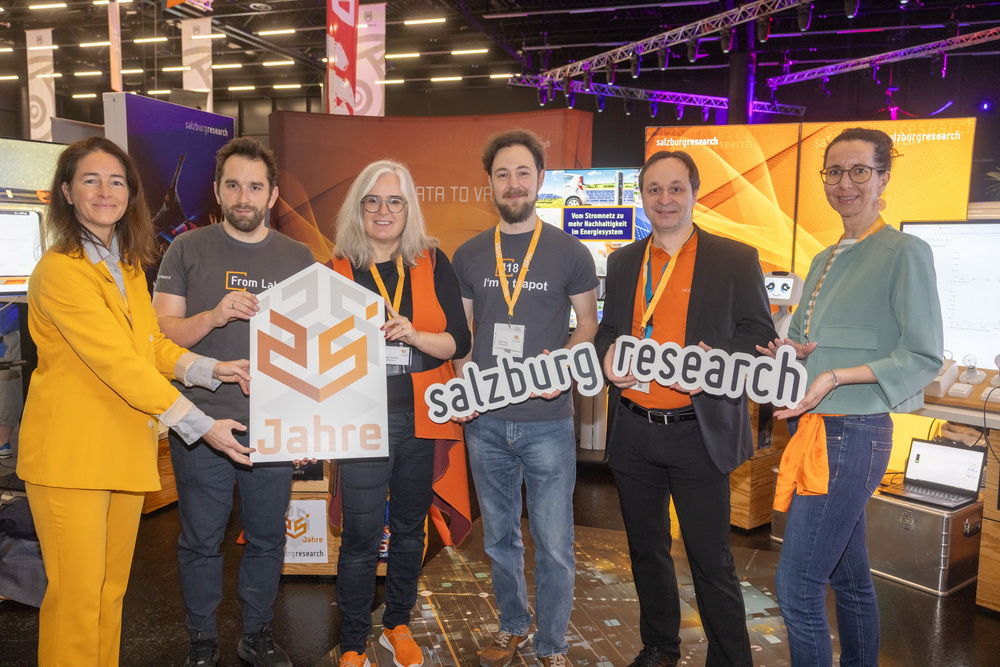

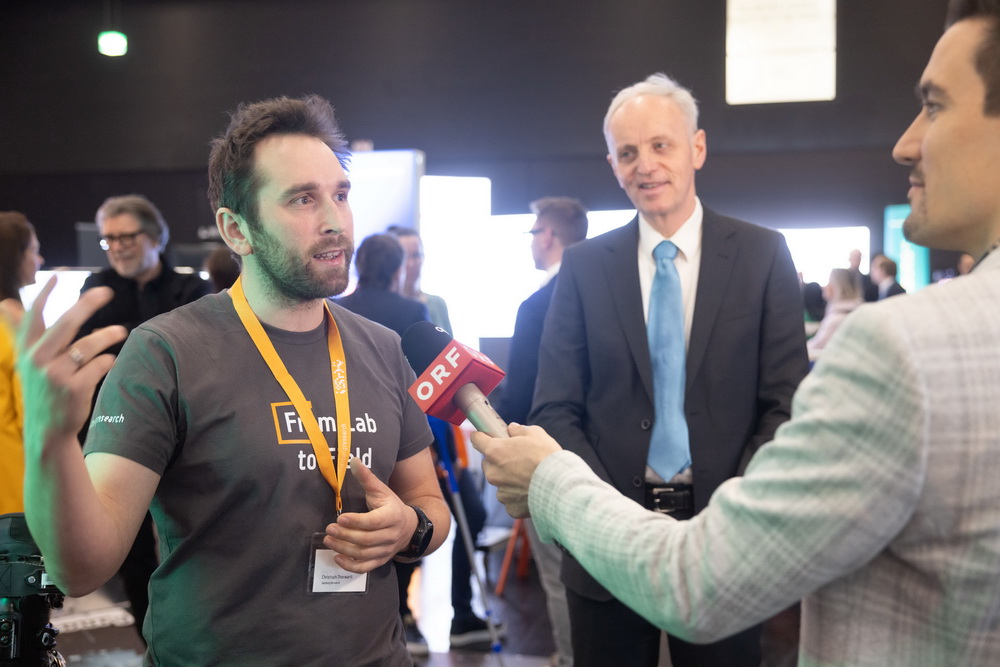


Fotos: (c) wildbild, Salzburg Research
Main Stage: Salzburg Research celebrates 25 years
As part of the WISS Networking Night, we celebrated our 25th anniversary on the main stage and presented an exciting cross-section of our research topics. Young researchers gave insights into their research on the following topics:
- From the dung heap to the ski slope
- Safe cycling with “Tom Turbo”


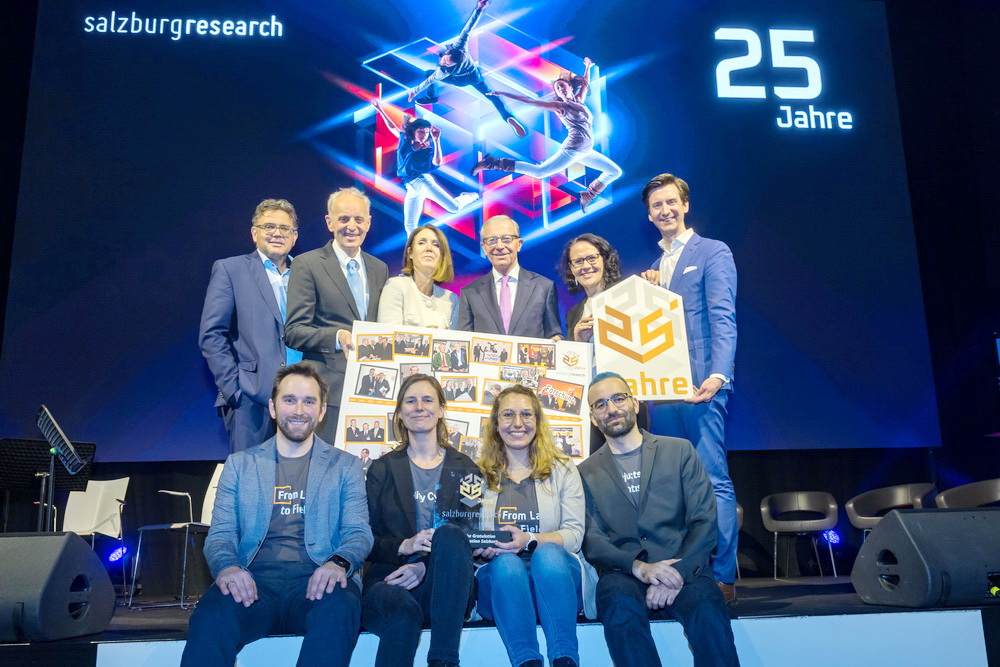
Fotos: (c) wildbild
We also coordinated a stand, a panel on “Digitalization as a Driver of Innovation” on the main stage, and a side event for the Austrian HUB network — all European Digital Innovation Hubs (EDIHs) and national Digital Innovation Hubs (DIHs).


Bilder: wildbild, Salzburg Research
Executive summary of the GAMES Industry Whitepaper: New business opportunities leveraging the flexibility potential of electric shared vehicle fleets.
The concept of using electric vehicles (EVs) as flexible storage seems simple and convincing: There are countless cars spread out throughout our cities, but most of the time they stand idle. With modern cars having battery capacities between 50 and
100 kWh, this sums up to vast amounts of battery storage being available for supporting electricity grids and shifting energy demand towards times of renewable surplus generation. But what sounds like a low hanging fruit in theory faces a lot of practical barriers: How to coordinate all those cars efficiently? Does it affect the lifespan of the batteries? And most important, is there actually a viable business model for both fleet owners and energy industry? Focussing on latter question, this whitepaper analyses different business opportunities in four case studies.
Test Persons Wanted: Online Platform for Family Caregivers
In Austria, the majority of care and nursing is provided by family members. This can be associated with a number of burdens for family caregivers. Dementia, in particular, is often a major challenge due to its symptoms and progression. This makes it all the more important to deal with the care situation at an early stage, to network well with support services, and to obtain comprehensive information.
Together with partners in the “TeleCareHub” project, Salzburg Research has developed an online platform to provide support, networking, and information for family caregivers of people with (incipient) dementia. The following services and functions of the TeleCareHub platform will now be tested with this group of people in a pilot study:
- Knowledge Compact Online Library
- Learning and training opportunities on dementia and caregiving at home
- Access to video consultations with a clinical psychologist
- Moderated online support group for caregivers and family caregivers
- Stress check for early detection of overload
Participation criteria and procedure
People who are currently providing at least limited care and/or support to someone with dementia or suspected dementia and who are 18 years of age or older are sought. A computer, laptop, tablet, or smartphone with internet access is required to participate.
Participation in the study will last between 3 and 6 months, depending on how long the participant wishes to use the TeleCareHub platform. How often and how intensively the TeleCareHub platform is used is up to the participants.
An online questionnaire will be completed at the beginning of the study. The questionnaire collects some data about the current care situation and the relationship with technology. At the same time, participants will register on the TeleCareHub platform and will be able to use the services.
At the end of their participation, respondents will again be asked to complete an online questionnaire. This questionnaire will ask questions about their experience with the TeleCareHub platform and their care situation. It will take approximately 45 minutes to complete each questionnaire. Selected test persons will also be invited to participate in a focus group to evaluate the TeleCareHub platform.
Compensation
Participants will be paid €100 for their time and effort in completing the questionnaires. An additional €50 will be paid as compensation for participating in the focus group to evaluate the TeleCareHub platform.
A non-binding information event is planned, to which interested parties are cordially invited. The dates of the event can be communicated when contacting us.
Contact information for those interested:
TeleCareHub project team:
E-Mail: telecarehub@fh-kaernten.at
Telephone: 05 90500 3225
We look forward to your participation!
Please feel free to forward this information to other people!
The TeleCareHub project is funded by the Federal Ministry for Climate Protection, Environment, Energy, Mobility, Innovation and Technology (BMK) as part of the “benefit” program.
Feedback in Echtzeit: Wie Freizeit-Skifahrende durch innovative Technologie von Profis lernen können
Feedback in Echtzeit: Wie Freizeit-Skifahrende durch innovative Technologie von Profis lernen können
Feedback in Echtzeit: Wie Freizeit-Skifahrende durch innovative Technologie von Profis lernen können
Analyzing Personal Skiing Technique and Avoiding Accidents with Technology
Skiing is a popular sport in a lot of countries. The sport offers considerable touristic, economic, and health benefits; however, it is also associated with a high risk of accidents. Together with partners, Salzburg Research has developed and tested a method to assess the quality of skiing. It should help skiers to analyze their ski technique and thus avoid accidents and injuries.
In order to reduce the risk of accidents and fatalities, it is important that skiers are able to accurately assess their own skiing ability. To this end, Salzburg Research and its partners have developed a sensor-based feedback system— the so-called Connected Boot —with professional skiers. A pilot study was conducted in the winter of 2024 to test how recreational skiers could also benefit from this technology to assess and improve their skiing technique. The results have been published in the journal Frontiers in Sports and Active Living.
Sensor technology analyzes skiing ability
The research led by Christina and Stefan Kranzinger used an IMU sensor system, called the “Connected Boot,” to analyze the skiing quality of 62 recreational skiers. The “Connected Boot” records kinematic parameters such as edge angle, speed, and forces to generate a quality score on a scale of 1 to 10.
„The Ski Quality Score was developed using data from professional skiers and gives recreational skiers instant feedback after each run, directly on their own smartphones.”
– Stefan Kranzinger, Data Scientist at Salzburg Research
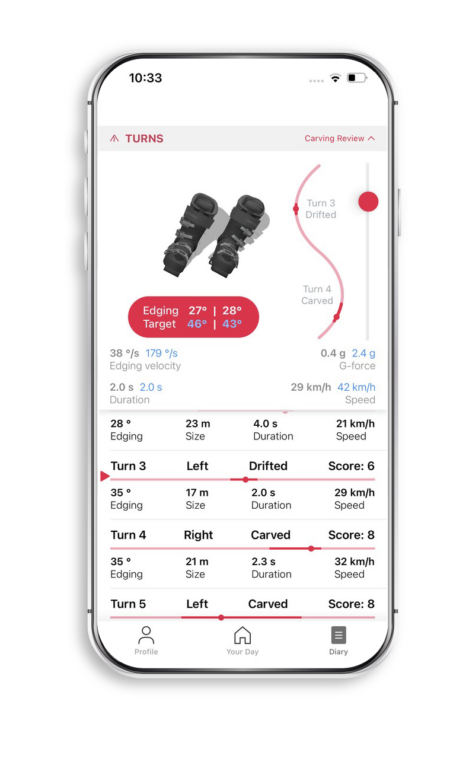
Each turn individually, the average of each run, and the daily average are automatically scored from 1 to 10, where “1” corresponds to a “snowplow or pizza slice” and “10” can usually be achieved by only professional or top skiers in optimal conditions.
The results were compared with the participants’ subjective self-assessments collected before and after using the technology on the slopes.
Innovative methodology: Living Lab approach
The data was collected using a living lab approach. Participants selected their own ski resorts and used the sensor system in real-world environments. This user-centric approach provided authentic feedback and valuable insights for the future development of the technology.
Key results
The majority of participants agreed that the Connected Boot sensor system provided useful skiing information and improved their skiing style. Key findings of the study include:
- High correlation between technology and self-assessment: The measured ski quality scores correlated strongly with the subjective assessment of carving ability. This confirms the reliability of the technology, even for recreational skiers.
- Gender differences: Female participants significantly adjusted their self-evaluations after using the technology, while male participants did not. These differences may be due to different perceptions and responses to feedback.
- Experience influences scores: Skiers with more than 15 days of skiing experience per season achieved significantly higher quality scores than less experienced participants.
„The study shows that the Connected Boot can be a valuable tool for improving skiing technique by providing users with direct and accurate feedback. This could not only increase the enjoyment of the sport but also reduce the risk of accidents caused by overestimating one’s own abilities.”
– Stefan Kranzinger, Data Scientist at Salzburg Research
Background information
The Connected Boot was developed by Salzburg Research together with Atomic and the University of Salzburg as part of the COMET project “Digital Motion in Sports, Fitness and Well-being“. The study with recreational skiers was funded by the state of Salzburg as part of follow-up projects.
Publication: Christina Kranzinger, Stefan Kranzinger, Eva Hollauf, Harald Rieser, Thomas Stöggl (2024): Skiing quality analysis of recreational skiers based on IMU data and self-assessment. In: Frontiers in Sports and Active Living, 24 December 2024, Sec. Sports Science, Technology and Engineering, Volume 6 – 2024. https://doi.org/10.3389/fspor.2024.1495176
More information in the press release: Feedback in Echtzeit: Wie Freizeit-Skifahrende durch innovative Technologie von Profis lernen können
Feedback in Echtzeit: Wie Freizeit-Skifahrende durch innovative Technologie von Profis lernen können
Alpines Skifahren ist in vielen Ländern eine beliebte Sportart. Der Sport bietet erhebliche touristische, wirtschaftliche sowie gesundheitliche Vorteile, ist jedoch gleichzeitig mit einem hohen Unfallrisiko verbunden. Salzburg Research hat gemeinsam mit Partnern ein Verfahren zur Qualitätsbewertung des Skifahrens entwickelt und getestet. Es soll Skifahrenden dabei helfen, ihre Skitechnik zu analysieren und dadurch Unfälle und Verletzungen zu vermeiden.
In 68 Ländern der Welt gibt es mindestens ein Skigebiet, das mit Liften ausgestattet ist. Insgesamt sind das über 5.700 Skigebiete weltweit. Zwischen 350 und 380 Millionen Menschen besuchen die Skigebiete regelmäßig. Wie andere Bergsportarten ist auch das Skifahren mit einem gewissen Unfallrisiko verbunden. Allein in Österreich wurden zwischen den Wintersaisonen 2008/09 und 2017/18 369 Todesfälle registriert. Um das Risiko von Unfällen und Todesfällen zu verringern, ist es wichtig, dass Skifahrende ihr eigenes Fahrkönnen zutreffend einschätzen können.
Gemeinsam mit Partnern hat Salzburg Research ein auf Sensortechnologie basierendes Feedbacksystem mit Profi-Skifahrenden entwickelt. Nun wurde in einer Pilotstudie getestet, wie auch Freizeit-Skifahrende von dieser Technologie profitieren, um ihre Skitechnik zu beurteilen und zu verbessern. Die Ergebnisse wurden im Fachjournal Frontiers in Sports and Active Living veröffentlicht.
Sensortechnologie analysiert skifahrerisches Können
Die Forschenden um Stefan Kranzinger von der Salzburg Research Forschungsgesellschaft haben mithilfe eines IMU-Sensorsystems, dem sogenannten „Connected Boot“, die Skifahrqualität von 62 Freizeit-Skifahrenden analysiert. Der „Connected Boot“ erfasst kinematische Parameter wie Kantenwinkel, Geschwindigkeit und Kräfte, um daraus eine Qualitätsbewertung auf einer Skala von 1 bis 10 zu erstellen. „Der Ski Quality Score wurde aus Messdaten mit Profi-Skifahrenden entwickelt und gibt den Freizeit-Skifahrenden unmittelbares Feedback nach jeder Abfahrt direkt auf das eigene Smartphone. Jeder einzelne Schwung, der Durchschnitt jeder Abfahrt sowie der Tagesdurchschnitt werden mit dem Score von 1 bis 10 automatisiert ausgewertet, wobei „1“ einem „Schneepflug bzw. Pizzaschnitte“ entspricht und „10“ üblicherweise nur von Profi- oder Top-Skifahrenden bei optimalen Bedingungen erreicht werden kann“, so Kranzinger von dem auf Bewegungsdatenanalyse spezialisierten Forschungsinstitut Salzburg Research.
Die Ergebnisse wurden mit der subjektiven Selbsteinschätzung der Teilnehmenden verglichen, die vor und nach der Nutzung der Technologie auf der Piste erhoben wurde.
Zentrale Ergebnisse
Die Mehrheit der Teilnehmenden stimmte zu, dass das Connected Boot-Sensorsystem nützliche Informationen zum Skifahren lieferte und ihren Skistil verbessern konnte. Zentrale Ergebnisse der Studie sind:
- Hohe Korrelation zwischen Technologie und Selbsteinschätzung: Die ermittelten Ski-Qualitätsscores korrelierten stark mit der subjektiven Einschätzung der Carving-Fähigkeiten. Dies bestätigt die Zuverlässigkeit der Technologie, auch bei Freizeit-Skifahrenden.
- Genderunterschiede: Weibliche Teilnehmende passten ihre Selbsteinschätzung nach der Nutzung der Technologie deutlich an, während dies bei männlichen Teilnehmenden weniger ausgeprägt war. Diese Unterschiede könnten auf unterschiedliche Wahrnehmungen und Reaktionen auf Feedback zurückzuführen sein.
- Erfahrung beeinflusst Ergebnisse: Skifahrende mit mehr als 15 Tagen Skierfahrung pro Saison erzielten signifikant höhere Qualitätsscores als weniger erfahrene Teilnehmende.
„Die Studie zeigt, dass der „Connected Boot“ ein wertvolles Werkzeug zur Verbesserung der Skifahrtechnik sein kann, indem er den Nutzenden ein direktes und präzises Feedback liefert. Dies könnte nicht nur die Freude am Sport steigern, sondern auch das Risiko von Unfällen durch Überbewertung der eigenen Fähigkeiten reduzieren“, so Salzburg Research-Forscher Kranzinger weiter.
Innovative Methodik: Living Lab Ansatz
Die Datenerhebung erfolgte im Rahmen eines Living-Lab-Ansatzes. Dabei wählten die Teilnehmenden ihre Skigebiete selbst aus und nutzten das Sensorsystem in realen Umgebungen. Diese benutzerzentrierte Herangehensweise lieferte authentisches Feedback und wertvolle Einblicke für die Weiterentwicklung der Technologie.
Hintergrundinformation
Der Connected Boot wurde von Salzburg Research gemeinsam mit Atomic und der Universität Salzburg im COMET-Projekt „Digital Motion in Sports, Fitness and Well-being“ entwickelt. Die Studie mit Freizeit-Skifahrenden wurde vom Land Salzburg im Rahmen von Folgeprojekten gefördert.
Publikation:
Christina Kranzinger, Stefan Kranzinger, Eva Hollauf, Harald Rieser, Thomas Stöggl (2024): Skiing quality analysis of recreational skiers based on IMU data and self-assessment. In: Frontiers in Sports and Active Living, 24 December 2024, Sec. Sports Science, Technology and Engineering, Volume 6 – 2024. https://doi.org/10.3389/fspor.2024.1495176
Rückfragehinweis
Stefan Kranzinger, Salzburg Research Forschungsgesellschaft mbH
M +43 664 2047232 | stefan.kranzinger@salzburgresearch.at
Bildmaterial
Bei Angabe des Urhebervermerks ist die Verwendung honorarfrei.
Für hochauflösendes Bild auf die Vorschau klicken:
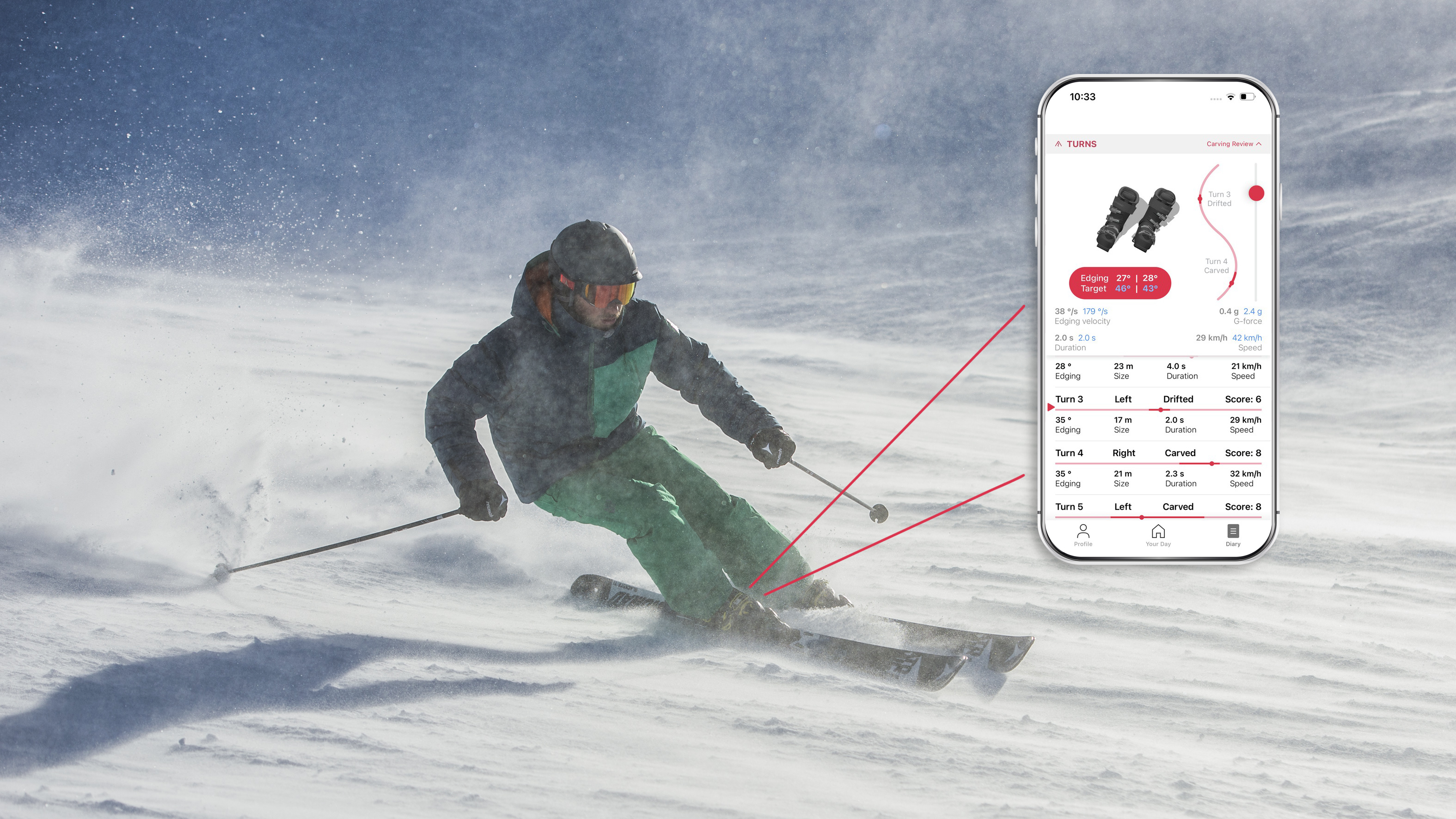
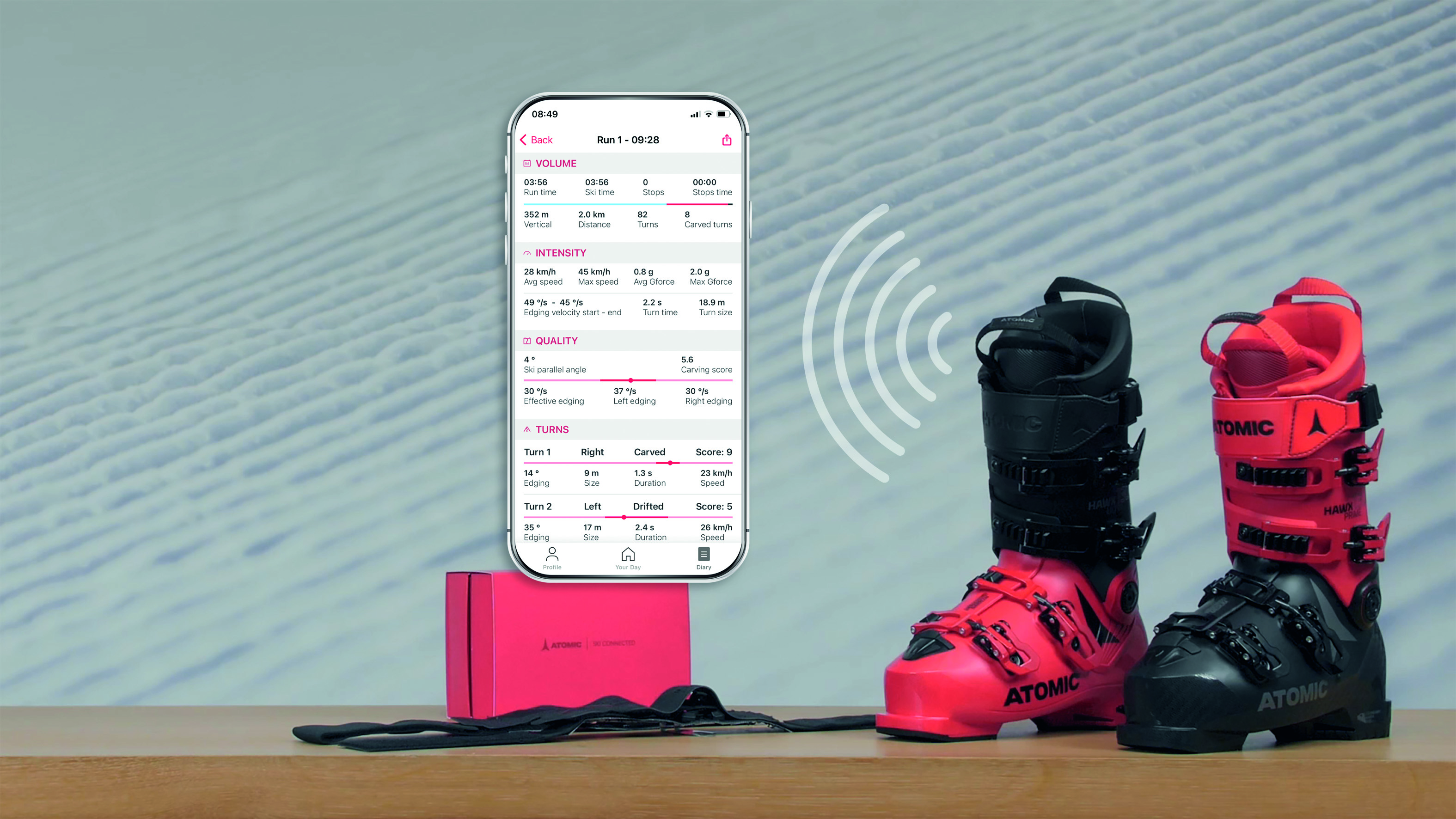


Best Ideas for Sustainable Delivery Options Awarded
In January, the winners of the “Wanted: Sustainable last mile delivery heroes” ideas competition, part of the SuColo research project, on Salzburg Research’s IdeaSpace ideas platform were awarded. The SuCoLo project explores sustainable and inclusive solutions for the use of bicycle logistics to promote net-zero ways of delivery and collection of goods in outlying urban areas.
For this idea competition innovative ideas were sought for sustainable solutions that raise awareness of green alternatives, support local initiatives, promote sustainable collection and delivery methods and motivate consumers to make environmentally conscious choices.
Concrete, practicable solutions to the following questions were sought:
- How can we encourage behavior change and awareness among consumers in rural and suburban areas to adopt more sustainable practices when ordering and receiving goods?
- How should a “green” online store be designed to attract environmentally conscious consumers and encourage sustainable delivery?
- Imagine the perfect pick-up station. What amenities and incentives would encourage people to choose pick-up delivery for their goods?
- Design the ultimate booking platform for cargo bike sharing that can facilitate citizens to move/deliver goods in a smooth and sustainable way. What features would be essential (e.g., user-friendly booking system, route optimization, real-time data integration and pricing), and how can these be implemented?
Innovative solutions awarded
A total of 53 creative ideas was submitted to open innovation platform IdeaSpace from Salzburg Research. After the community evaluation, the ideas were presented to the renowned expert jury. The three innovative solutions and a community winner – the idea with the most community likes – were selected:
- „PaketPlus: The Human Pick-Up Station” by xmaddu: An idea that not only improves the efficiency of the last mile but also creates genuine social and ecological value. The concept combines practical everyday usability with innovation and a clear focus on community and sustainability. With the most community likes, the idea was also voted the community winner.
- „GreenHub 360“ von Chiara Christina Hollaus: GreenHub 360 idea for the perfect pick-up station solves an important delivery problem by using storage for both pick up and leaving items from a strategic geographical location. To collect all deliveries for one household or community at one point and take it all in one go will reduce the costly last mile transportation.
- „Community Monopoly for the Last Mile” von Stefan Fischer: The idea brings up an innovative and holistic approach to sustainable logistics that balances ecological, economic, and social benefits. By empowering municipalities to organize and optimize last-mile deliveries, this idea reduces traffic congestion and emissions, strengthens local businesses, and improves the quality of life for citizens.
Congratulations to the winners and good luck with further ideas!
Sei ein Teil von etwas Großem – so einfach geht’s!
IdeaSpace ideas platform from Salzburg Research is all about your ideas! Help us solve questions and problems by submitting your ideas, working on ideas with other creative minds, and getting honest feedback. We welcome everyone, because good ideas know no boundaries! Discover the power of the network that connects you with like-minded people, experts and exciting institutions and companies.
Join in and shape the future with us in the IdeaSpace!
Datenbereitstellung für KI-Systeme – Fallbeispiele und ihre Herausforderungen
Künstliche Intelligenz (KI) liegt im Trend und die Erwartungshaltung aller ist entsprechend groß. Vielen ist jedoch nicht bewusst, dass KI-Systeme aufwendig trainiert werden müssen und die Auswahl und Bereitstellung der Trainingssets die Richtigkeit und Funktionsfähigkeit der KI entscheidend beeinflussen. Erforderliche Daten mit dem notwendigen Detailgrad sind in der Recyclingbranche zumeist kaum bis gar nicht vorhanden. Im vorliegenden Beitrag werden Herausforderungen bei der Datenbereitstellung der KI-Systeme für das Leitprojekt KIRAMET vorgestellt.
Digital Product Passport: Enabling Sustainable Supply Chain Management for Electric Vehicle Batteries.
The circular economy is a transformative approach that aims to decouple economic growth from linear resource consumption, thereby promoting environmental sustainability and resource efficiency. Digital Product Passports (DPPs) include data on product lifecycles to increase transparency, improve resource efficiency and extend product life. The Circular Economy (CE)-Pass project aims to assess the feasibility of a DPP and associated data exchange to improve the circularity of automotive products. The present study considers specific data needs of stakeholders over the life cycle of an electric vehicle battery leading to the development of a DPP-prototype. Persona workshops with experts were conducted to identify the potential passport “users” (e.g., battery designers, recyclers, etc.) and the most relevant data attributes for a digital battery passport. This led, applying a user-centered design approach, to the development of a
holistic data model and prototype considering the stakeholder requirements. Circularity within the prototype will be supported by data transfer between stakeholders as well as relevant data attributes; e.g., product carbon footprint (Beginning of Life), dismantling instructions (End of Life), material circularity indicator, etc. The prototype shows visualizations of the data attributes and provides data relevant for stakeholders along the product’s life cycle. The study further sheds light on the existing gaps in data and the challenges associated with exchanging information among stakeholders. This is illustrated by the example of the dismantling instructions required by the legislation.
Potenziale für die Kreislaufwirtschaft: Digitale Produktpässe für optimiertes Metallrecycling
Dieser Beitrag beschreibt Möglichkeiten der Integration digitaler Technologien in die Kreislaufwirtschaft im Kontext des Metallrecyclings. Er hebt die Vorteile eines Digitalen Produktpasses (DPP) hervor, der durch die Bereitstellung detaillierter Produktinformationen die Ressourceneffizienz im Produktlebenszyklus erhöhen kann. “Smart Waste”, mit Informationen angereicherter Abfall, optimiert die Recyclingprozesse durch den Einsatz digitaler Technologien wie IoT und KI. Schlüsseltechnologien für digitale Zwillinge in der Industrie 4.0, wie die Verwaltungsschale (Asset Administration Shell „AAS“) ermöglichen hohe Datenqualitäten und -verfügbarkeit zur Verbesserung der Recyclingprozesse, z.B. durch verbessertes Vorsortieren und gezieltere Demontage von Komponenten. Der Artikel betont die Bedeutung der Digitalisierung für die Kreislaufwirtschaft und plädiert für standardisierte Informationsmodelle und interoperable Systeme, um die Potenziale der Digitalisierung voll auszuschöpfen und Materialkreisläufe effizienter zu machen.
Making Cycling Safer in Constricted Road Conditions
How close and how dangerous are overtaking maneuvers between motor vehicles and cyclists, actually? Under the leadership of Salzburg Research, researchers from Germany, Austria, and Switzerland investigated over 7,000 overtaking maneuvers using state-of-the-art measurement technologies. The results were used to develop concrete recommendations for the safe and comfortable management of cycling traffic.
Road cross sections are often not wide enough to accommodate structurally separated bicycle facilities that meet the guidelines. In the absence of suitable alternative routes, these road sections usually remain gaps in the cycling network. Conflicts that affect road safety accumulate on these sections, in both urban and rural areas.
In a transnational research project led by Salzburg Research, empirical studies and state-of-the-art measurement technologies were used to develop concrete recommendations on how to make cycling on main roads safer and more comfortable under constricted conditions. Using Open Bike Sensors, stationary and mobile laser systems (LiDAR — Light Detection and Ranging) and camera-based analysis, comprehensive data on the traffic situation and its effects on cyclists were collected for the first time. The results show: “A ‘clearer infrastructure language’ and/or restrictive legal measures are needed on roads with narrow conditions in order to guarantee the desired minimum overtaking distance,” says Sven Leitinger, head of the transnational study at Salzburg Research.
Innovative measurement methods for evaluating overtaking processes
A crucial parameter for the safety and comfort of cyclists is the distance that motor vehicles keep when overtaking. In urban areas, an overtaking distance of 1.5 meters is considered safe — this is also the minimum legal overtaking distance in Germany and Austria. Therefore, a special focus of the research project was to objectively determine the actual overtaking distances in numerous field studies.
A variety of data collection and analysis methods were used in the field studies: Open Bike Sensors, stationary and mobile LiDAR sensors, video observations, human sensory measurements, and interviews. In particular, the use of LiDAR sensor technology in the form of a research bicycle was a new and innovative measurement approach that allowed the complete overtaking process to be recorded objectively for the first time.


In total, more than 7,000 overtaking maneuvers by cyclists were analyzed on 22 test routes in Germany, Austria, and Switzerland.
Results of the field studies: Overtaking distances are too small
The extensive field tests clearly showed that conventional cycling infrastructure or mixed motor vehicle and bicycle traffic without cycling infrastructure does not lead to the desired overtaking behavior in constricted spaces. Despite a wide variety of characteristics, the median overtaking distance was between 1.0 and 1.3 meters on almost all test routes, which is below the minimum overtaking distance of 1.5 meters required in Austria and Germany.
During the test rides with the research bicycle, the distances and speeds between the motor vehicle and the bicycle were also recorded at different times — when approaching, reversing, and overtaking. Particularly on the busier test routes, motor vehicles were more likely to tailgate, cyclists were more likely to overtake, and it was more dangerous to reverse in front of cyclists.
Recommended solutions for more safety at bottlenecks
A key solution is to take appropriate measures to ensure that motor vehicles overtake cyclists at a sufficient distance or do not overtake at all.
For road widths between 6.5 and 9.5 meters, the introduction of wide cycle lanes and narrower core lanes at 30 km/h is recommended to optimize overtaking distances. For even narrower sections, the researchers suggest qualified mixed traffic with a maximum speed limit of 30 km/h and additional markings — pictogram chains/sharrows — to increase the visibility of cyclists. In addition, specific recommendations on legal aspects in Germany, Austria, and Switzerland were developed, as well as proposals for asymmetric cycle guidance, for narrow sections, on single lanes, and for participatory processes to involve relevant stakeholders, in order to promote evidence-based decisions on cycle guidance.
The recommendations for action form an important basis for practical implementation in cities and communities in the D-A-CH region. The aim is to close existing gaps in the network, make cycling safer and more attractive, and make transport as a whole more climate-friendly.
Additional materials:
- RADBEST final report: Full report with details of the research work and all recommendations for action (188 pages) + executive summary: RADBEST: Radverkehrsführung bei beengten Straßenverhältnissen.
- Slides from the closing event on 23.01.2025: The slides (including the separate breakout sessions for the 3 countries: Germany, Austria and Switzerland) are available for download here: Abschlussveranstaltung RADBEST – Sichere Radverkehrsführung bei Engstellen: Lösungsansätze für die D-A-CH-Länder
- Press release with images for download: Studie: Den Radverkehr in beengten Straßenverhältnissen sicherer gestalten
Background information on the RADBEST research project
The RADBEST project was carried out by multidisciplinary and multinational consortium: Salzburg Research Forschungsgesellschaft mbH (AT), University of Salzburg, Department of Geoinformatics (AT), Steinbeis Transferzentren GmbH at Karlsruhe University of Applied Sciences, Prof. Eckart, Chair of Transport Ecology (DE), University of Applied Sciences of Eastern Switzerland, Competence Center for Pedestrian and Bicycle Traffic, Prof. Hagedorn (CH), con.sens mobilitätsdesign (AT) and KFV – Kuratorium für Verkehrssicherheit (AT).
RADBEST is an R&D service commissioned by the Austrian Federal Ministry for Climate Protection (BMK), the German Federal Ministry for Digital Affairs and Transport (BMDV) and the Swiss Federal Roads Authority (ASTRA) under the program management of the Austrian Research Promotion Agency (FFG).
Studie: Den Radverkehr in beengten Straßenverhältnissen sicherer gestalten
Wie knapp und wie gefährlich sind Überholvorgänge zwischen Kfz und Radfahrenden wirklich? Forschende aus Deutschland, Österreich und der Schweiz untersuchten mit modernsten Messtechnologien über 7.000 Überholvorgänge. Aus den Ergebnissen entwickelten sie konkrete Handlungsempfehlungen für die sichere und komfortable Führung des Radverkehrs auf Hauptstraßen mit Fahrbahnbreiten unter neun Metern im D-A-CH-Raum.
moreNew Tools for Energy Communities
How can the management and implementation of energy communities be simplified? This question is at the heart of the new international project RENvolveIT (Regional Energy Networking — cross-sectional involvement through a modular interactive toolbox). The aim is to develop a software tool that supports energy communities throughout their entire life cycle.
Renewable energy communities play a central role in the energy transition. They enable individuals, companies, and organizations to generate, store, and use renewable energy together. Projects such as RENvolveIT help to facilitate this process and drive the energy transition forward.
A toolbox for energy communities
At the heart of the project is the RENvolveIT toolbox, a modular, interactive toolbox from which each energy community can select the appropriate modules. New communities can use it to find the right legal form or a suitable business model, for example. Existing communities receive real-time insights into electricity surpluses or shortages in order to optimize consumption within the energy community.
International cooperation for innovative solutions
The project brings together universities, research institutes, software companies, and non-governmental organizations from Germany, Austria, the Netherlands, and the Czech Republic. Established energy communities are also involved as partners.
Proven modules from various countries are used and scaled up at the European level. Salzburg Research, for example, is contributing its “Community Aggregation Tool” for energy communities. “Our tool provides energy communities with real-time insights into current electricity surpluses or shortages within the community via a dashboard. The members of the community can then consume or shift loads accordingly. In this way, the jointly generated electricity with losses is fed into the general grid or potentially expensive electricity is drawn from it,” says project manager Stefan Linecker from Salzburg Research. The Salzburg Research tool is currently adapted to the framework conditions in Austria and will be expanded in the research project to include the specific needs and legal framework conditions of the other participating countries.
Transnational learning for the energy transition
The project focuses on the exchange of knowledge, experience, and technologies in order to overcome hurdles such as regulatory differences between EU countries. This diversity is seen as an opportunity to learn from each other and develop innovative approaches.
RENvolveIT is funded by the Clean Energy Transition Partnership (CETP) as part of the Joint Call 2023. The project receives funding from the European Union’s Horizon Europe research and innovation program under the number 101069750 and the Austrian Research Promotion Agency FFG.
Salzburg Research und PTS Bad Leonfelden: Einblicke in Forschung und Prototypenbau
Die Schüler:innen der Polytechnischen Schule (PTS) Bad Leonfelden hatten kürzlich die Gelegenheit, an einem praxisorientierten Projekt mit dem Forschungsinstitut Salzburg Research teilzunehmen. Dabei standen die Entwicklung und Umsetzung innovativer Prototypen im Mittelpunkt.
moreInsights into Research and Prototype Construction for Students
The students of the Bad Leonfelden Polytechnic School (PTS) recently had the opportunity to participate in a practice-oriented project with the Salzburg Research Research Institute. The focus was on the development and implementation of innovative prototypes.
Experience technology up close
During the workshop, an expert from Salzburg Research presented current technologies that were directly implemented by the students. The participants took on tasks such as soldering, integration of fiber optic cables, installation of connectors, firmware updates, and assembly of prototypes. These tasks offered practical insights and the opportunity to expand technical knowledge.
Research at school: encouraging an interest in technology
The aim of the project was to increase young people’s interest in technical topics. Dr. Christoph Thorwartl from Salzburg Research was impressed: “The students mastered the tasks with great curiosity and precision. Special thanks go to Johannes Mühleder, who did an excellent job of preparing them for technical professions.”
Elfriede Draxler, Director of PTS Bad Leonfelden, also emphasized: “Such projects offer our students a great opportunity to gain insights into current research fields and to become active themselves. The collaboration with Salzburg Research has left a lasting impression.”
Prototypes for scientific studies
The 45 prototypes produced in the workshop will be used in several studies over the coming months. Details of these research projects must remain secret for the time being, but this much can be revealed: They involve “conductive textile sensors” that can become readable using the developed prototypes.
The workshop showed how useful the combination of science and practice can be for the technical education of young people. Salzburg Research and PTS Bad Leonfelden are thus creating important impulses for the promotion of young talent.
25 Years of Applied Research
2025 will be a very special year for us: Salzburg Research celebrates 25 years!
Since the acquisition by the State of Salzburg and our renaming in the year 2000, we have dedicated ourselves to making the world smarter and more sustainable through research and development. In the fields of Health & Sports, Smart Region & Mobility, and Industry & Infrastructure, we have been able to generate both economic and social added value together with future-oriented companies and the public sector.
We would like to thank everyone who has accompanied and supported us on this journey. We invite you to continue working with us in the future on the biggest issues of our time — for a connected, sustainable, and innovative world.
Look out for exciting events and projects we have planned to celebrate our anniversary in 2025. Together we want to celebrate, inspire, and set the course for the next 25 years.
Thank you for 25 years of trust and partnership!
Integration eines automatisieren Shuttles in den öffentlichen Personennahverkehr im ländlichen Raum.
Seit 2016 erforscht das unabhängige Forschungsinstitut Salzburg Research Methoden und Technologien für den sicheren Betrieb von automatisierten Shuttles in regionalen Mobilitätssystemen. In dem Beitrag werden die Rahmenbedingungen für automatisiertes Fahren in Österreich, die Voraussetzungen für Testfahrten auf öffentlichen Straßen, die Rolle der ersten bzw. letzten Meile im öffentlichen Personennahverkehr sowie die Ergebnisse und Erfahrungen von Salzburg Research aus dem Testbetrieb mit einem automatisierten Shuttle in der Gemeinde Koppl (Salzburg) erörtert.
Skiing quality analysis of recreational skiers based on IMU data and self-assessment
Alpine skiing is a popular sport in many countries and holds benefits in terms of health and well-being. At the same time alpine skiing is associated with a certain risk of accidents caused, among other things, by overestimating one’s own skiing skills. Self-assessment of skiing skills is not trivial. Therefore, feedback modalities can be assistive. One feasible option to provide skiers with feedback on their skiing ability are Inertial Measurement Units (IMUs). The aim of this study was to analyse the skiing quality of recreational skiers based on IMU data, collected with the Connected Boot sensor system with a living lab approach to investigate whether the skiing quality score delivers reasonable results for recreational skiers. The system has been developed with expert skiers and so far has not been validated with recreational skiers. Therefore, we aimed to investigate whether the objective skiing quality score of the Connected Boot corresponds to the self-assessed carving ability and to analyse changes in the assessment before and after the study. In total, data from 62 participants who skied with the sensor system were analysed. At the beginning and the end of the study the participants additionally received questionnaires to assess their skiing skills. The results show that there was a strong correlation between the self-reported carving ability and the skiing quality score of the Connected Boot and that the self-reported carving ability before the study was around 1.71 points higher than the algorithm-based skiing quality score. Interestingly, the correlation was higher for female compared to male participants.
Cooperative collision risk detection for C-ITS-equipped bicycles and connected automated vehicles.
The numbers of cycling fatalities and serious injuries remain too high to meet the targets set by the European Commission with the Road Safety Framework 2021. Cooperative intelligent transport systems are one possible solution, enabling the exchange of safety critical information between vehicles, vulnerable road users, and infrastructure to prevent accidents and increase safety. The aim of this work is to actively integrate bicyclists in vehicle-to-everything communication, to profit from collective perception and to test it with a proof-of-concept prototype. This approach incorporates the location information of road users with the perception information captured by a connected automated vehicle and a video detection system at the roadside. The communication is based on standardized messages that are exchanged via vehicular communication standard (ITS-G5) and cellular networks. A central cloud-based processing service calculates collision risks of the road users, using an infrastructure-based approach with high-definition-maps and sending out warning messages. The proof-of-concept prototype was evaluated in real-world experiments in urban and rural environments, successfully demonstrating a technical roundtrip of the flow of information from sending self-localization information up to receiving a warning. Results show that precise self-localization as well as a low latency and stable map matching are crucial prerequisites for safety applications.
Neuer Algorithmus verbessert Sprungerkennung im Ski- und Wintersport
Forschende von Salzburg Research haben in Zusammenarbeit mit dem Red Bull Athlete Performance Center einen einfachen, aber hocheffektiven Algorithmus entwickelt, um „Big Air“-Sprünge und verschiedene andere Sprungtypen im Skisport automatisiert und in Echtzeit zu erkennen. Diese neue Methode könnte das Training und die Leistungsbeurteilung in vielen Sportarten im Profi- wie auch Freizeitbereich verbessern.
more