


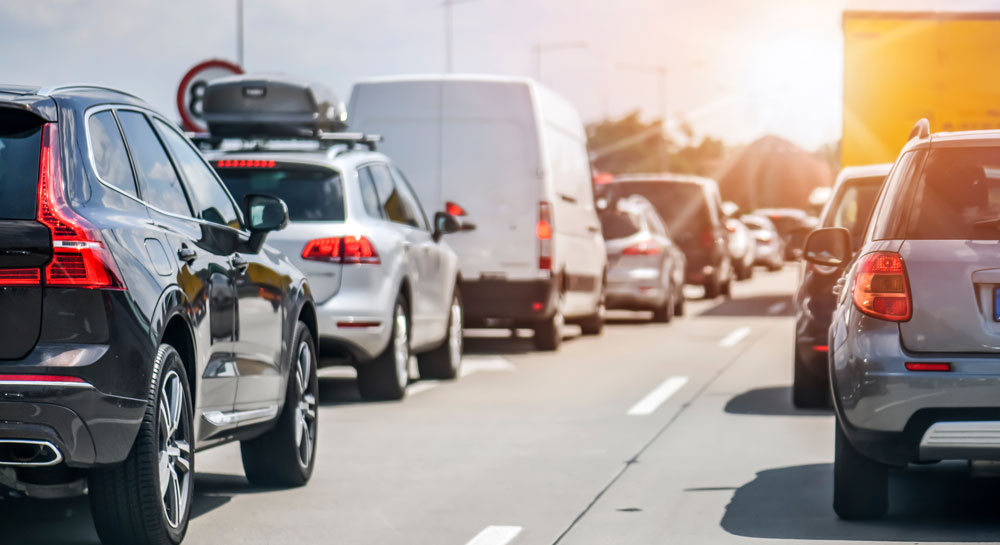
Rising traffic congestion, increasing urbanization, and the necessary shift towards sustainable mobility create major challenges for cities and regions. Congestion impairs quality of life, increases emissions, and leads to economic losses. Concurrently, the demand for efficient and safe traffic management systems that intelligently integrate various modes of transportation, ranging from motorized private vehicles to public and sustainable alternatives, is growing. To overcome these challenges, we need data-based solutions that enable informed decisions in traffic planning and pave the way for sustainable mobility.
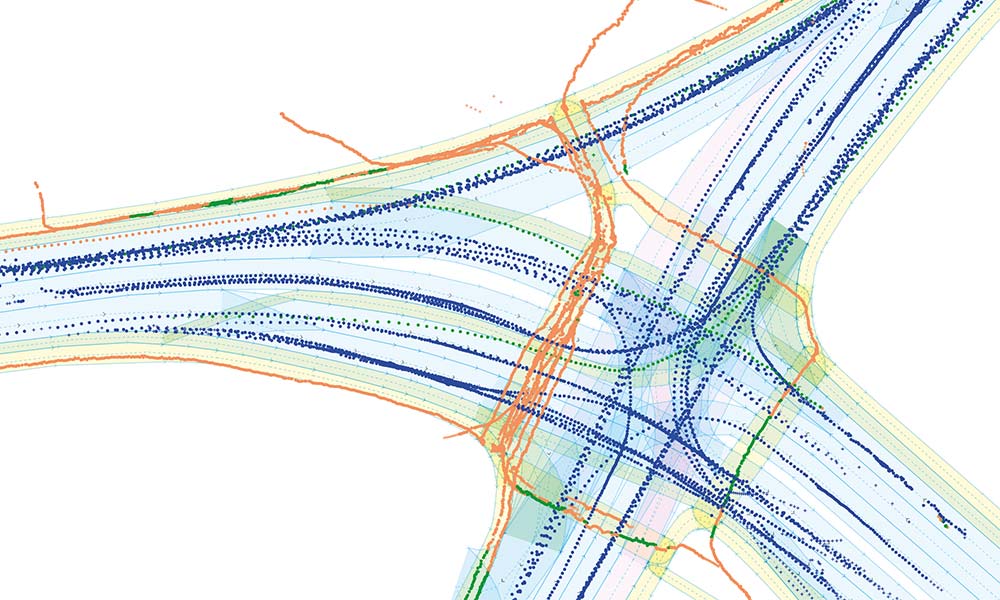
1 Minute an der Kreuzung Linzer Bundesstraße/Sterneckstraße in der Stadt Salzburg: Trajektorien verschiedener Verkehrsteilnehmender 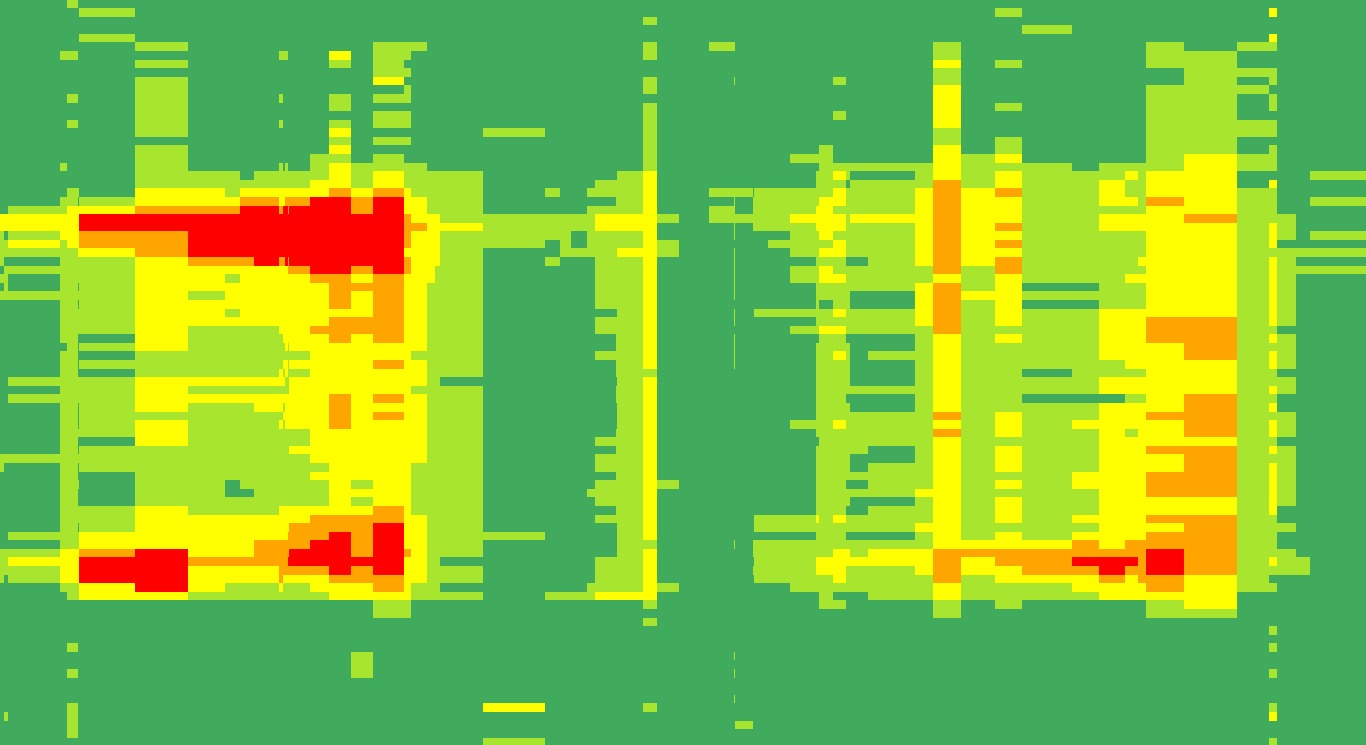

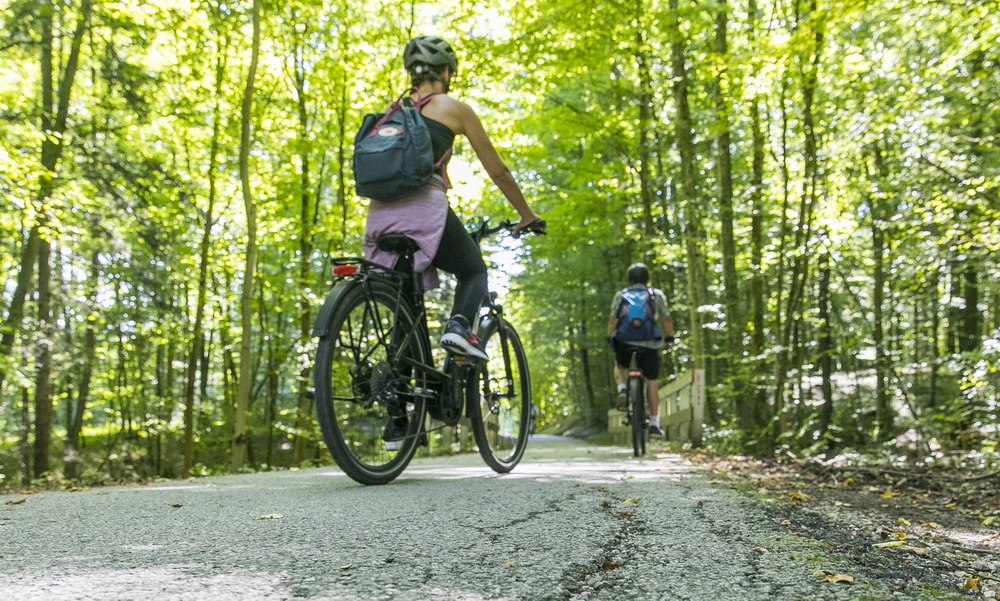
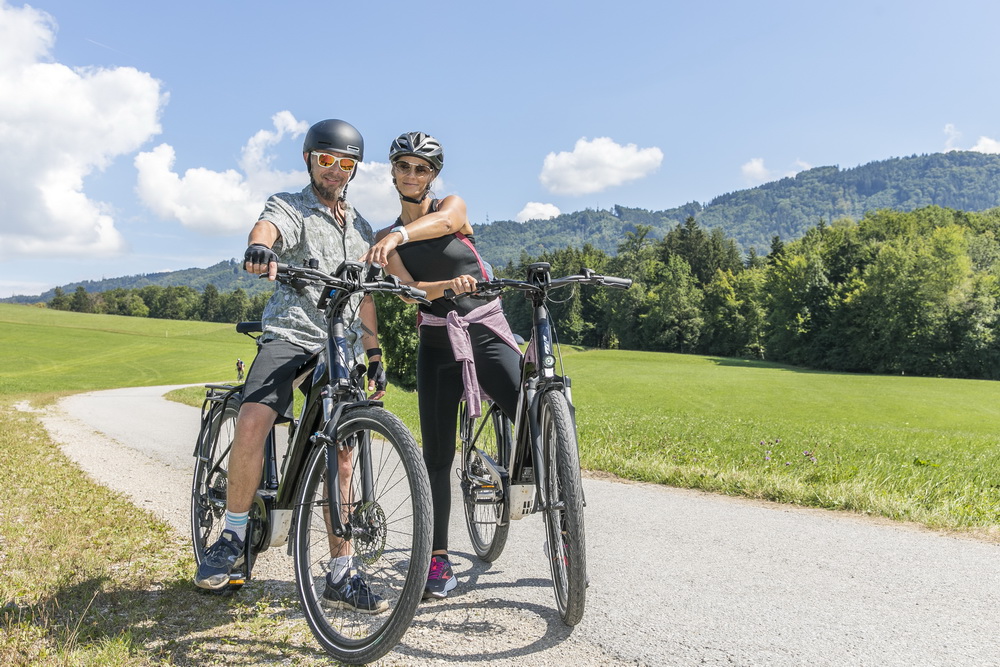
Testfahrerinnen und Testfahrer beim Befahren der Radkorridore vom Umland in die Stadt Salzburg © Salzburg Research/wildbild-Herbert Rohrer 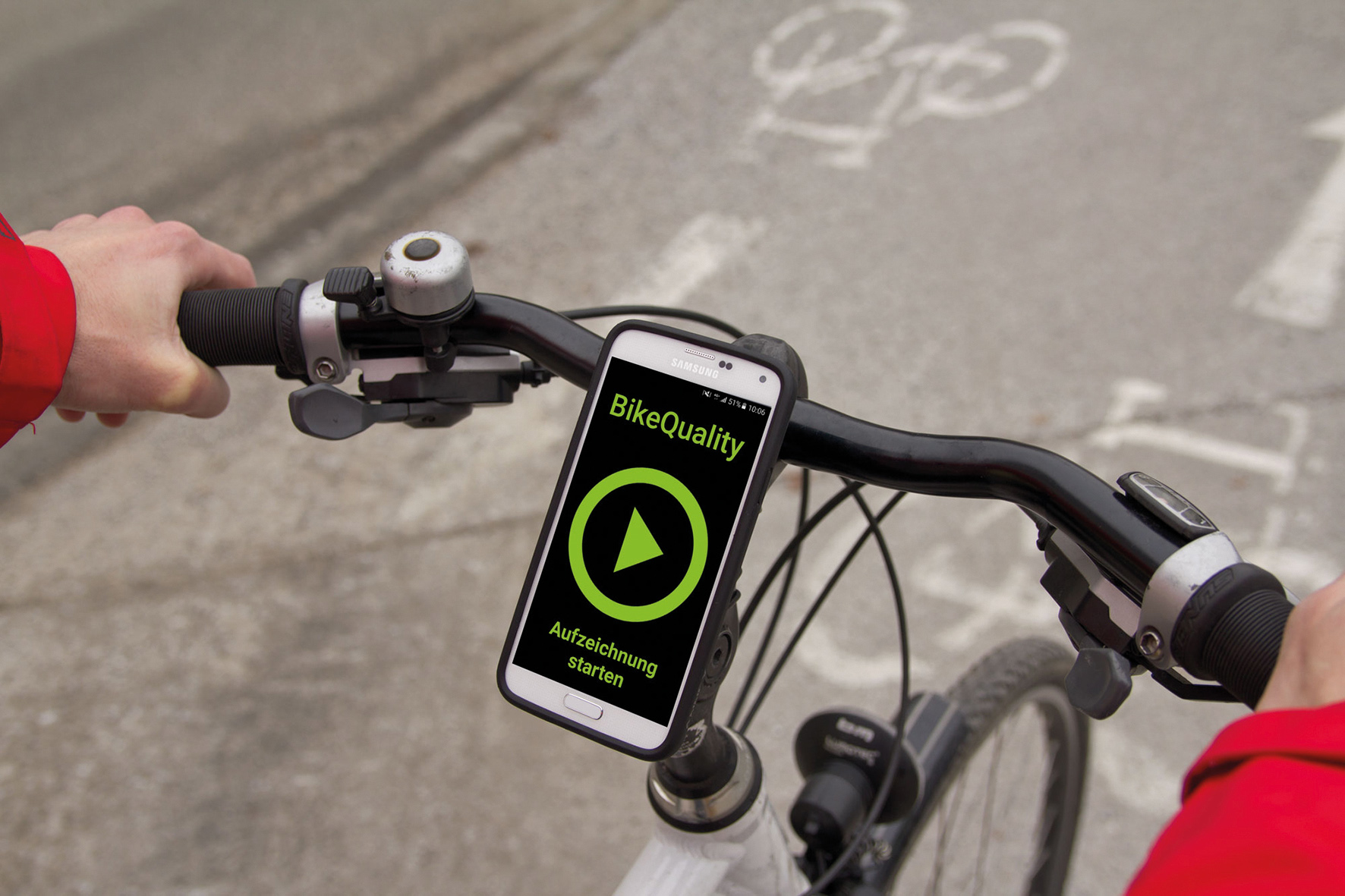
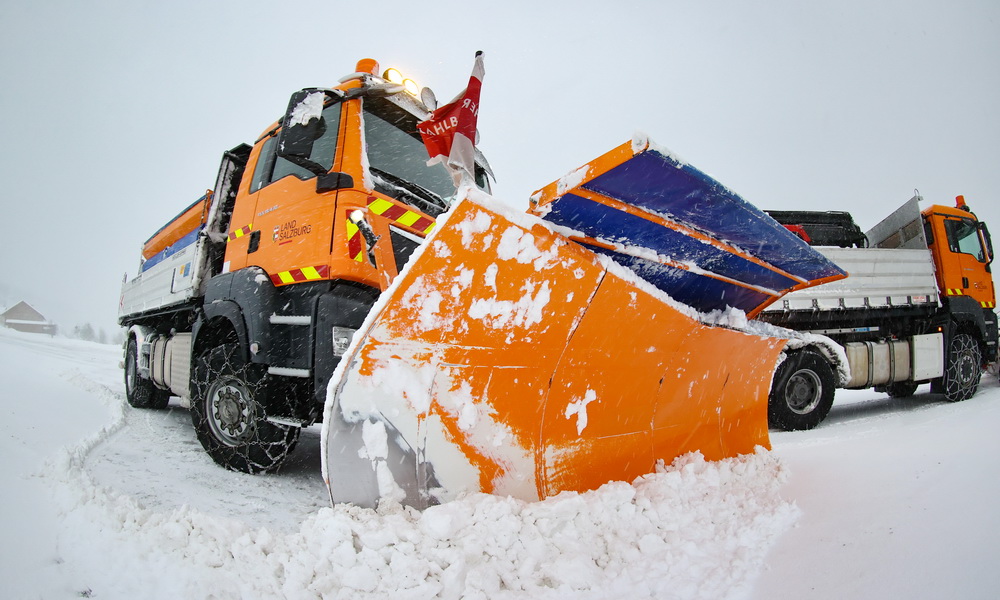
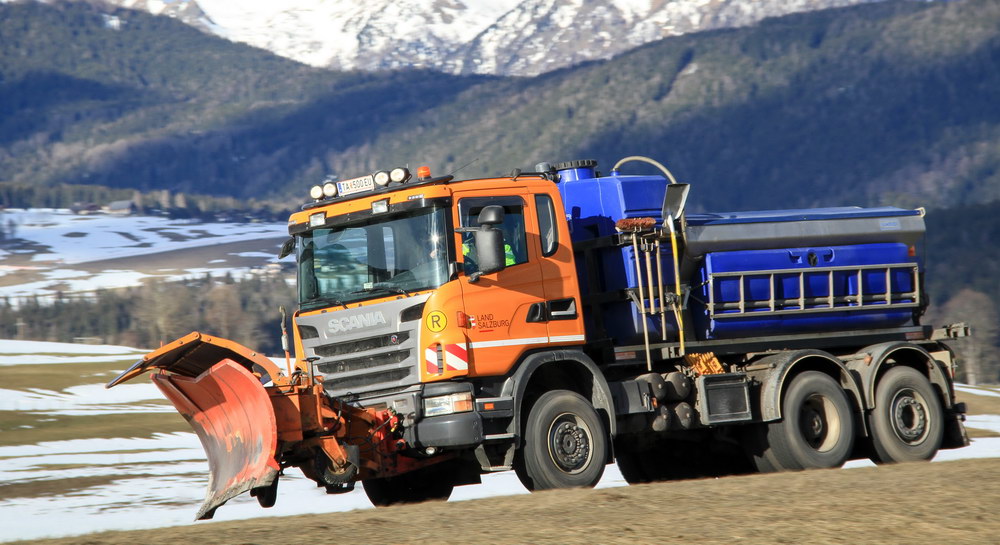
© Land Salzburg / Franz Neumayr 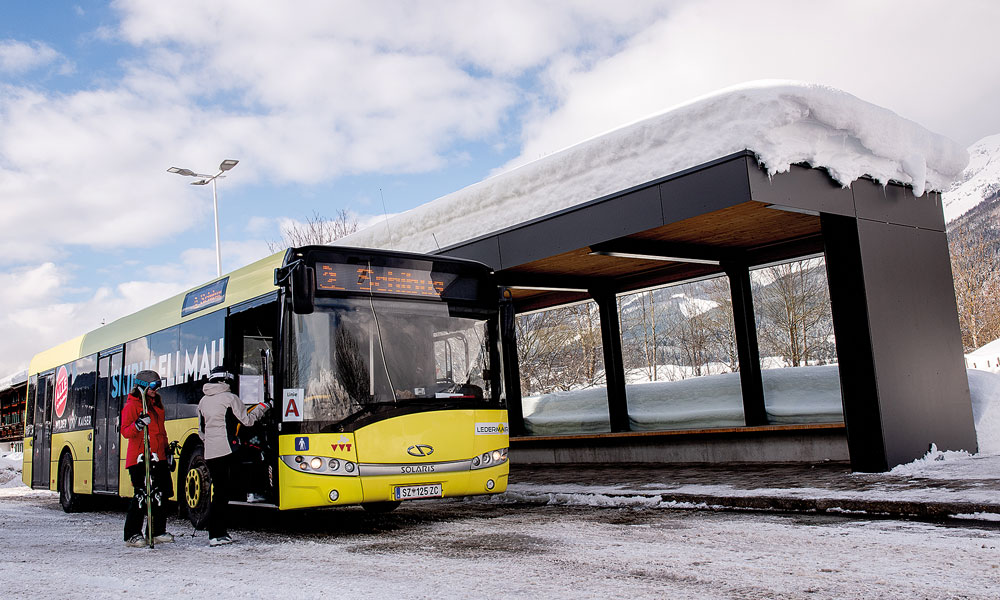
(c) TVB Wilder Kaiser / Manuel Bialucha 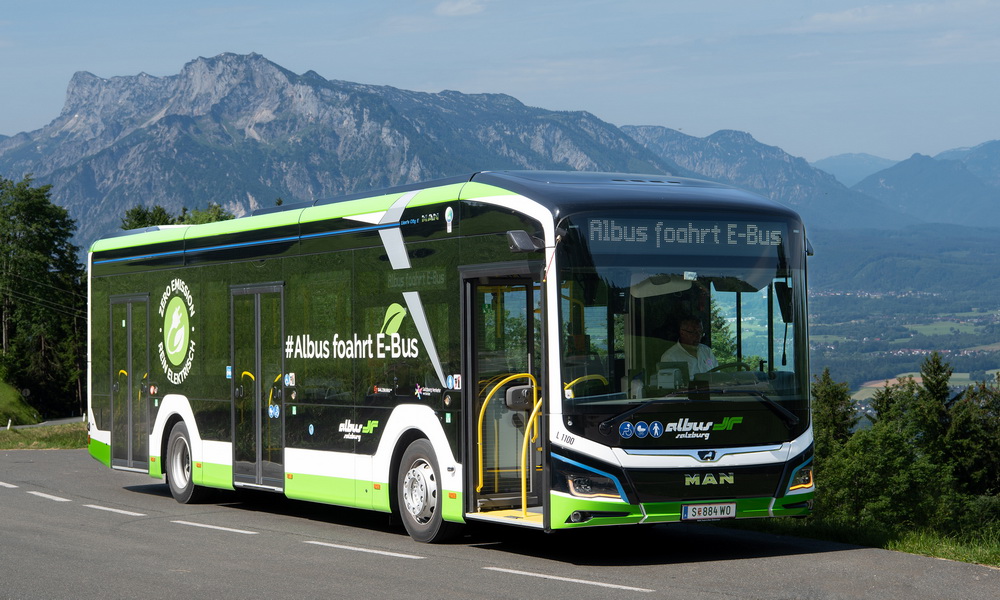
Salzburg Research collects and analyzes traffic data to improve traffic flow, increase safety, and promote sustainable mobility concepts.
In recent years, Salzburg Research has demonstrated how traffic data can be used to efficiently manage traffic flows, increase safety, and promote sustainable mobility concepts. The research ranges from collecting and analyzing traffic data to developing specific services for optimized traffic planning and management. The goal is to significantly increase the efficiency and sustainability of the mobility sector.
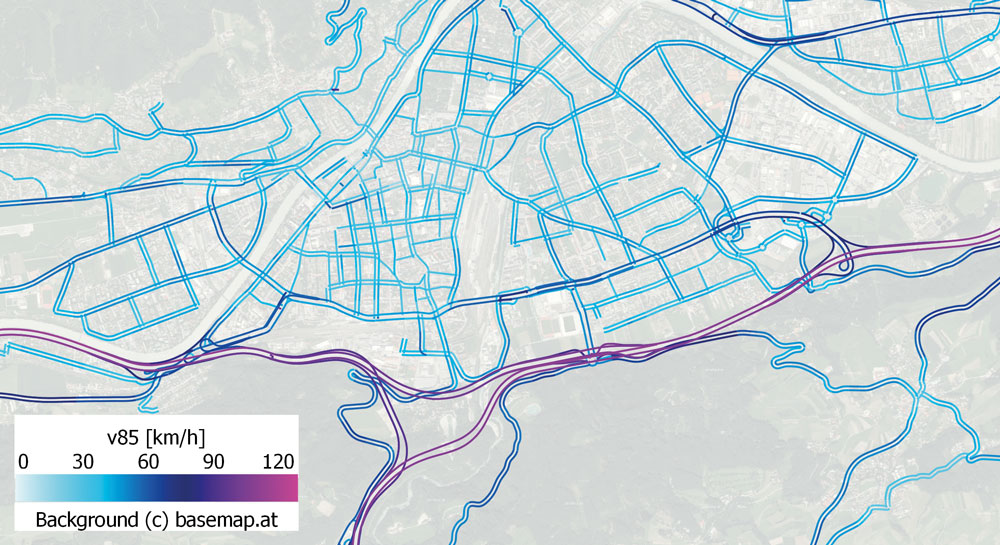
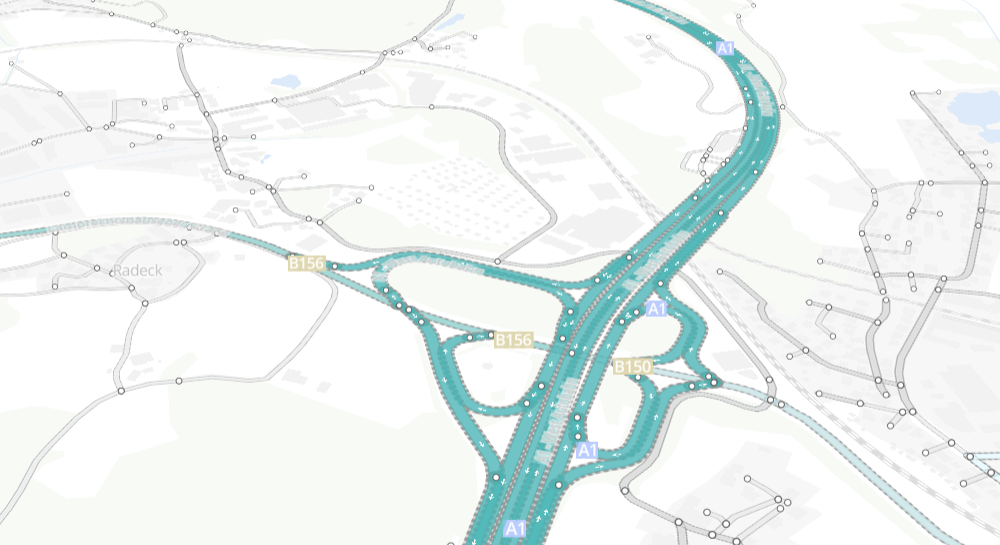
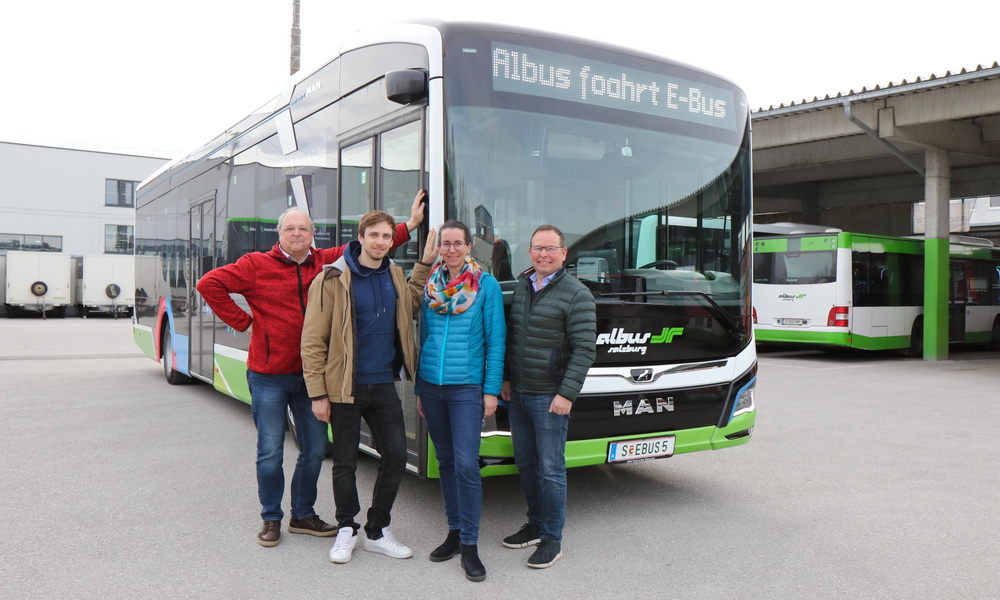
For many years, Salzburg Research has used floating car data to analyze precise, real-time traffic movements – first in Salzburg, and later in Tyrol and Vorarlberg as well. This data is used to evaluate traffic measures, reduce congestion, and improve quality of life in affected areas by providing real-time and historical traffic information. Data-based analyses also identify optimization potential in local public transportation, construction site planning, and traffic route design. The detailed evaluation of traffic movements at intersections has revealed critical danger spots. Digital solutions support the intelligent integration of various transportation options, time-dependent departure schedules, parking space management to prevent congestion, and last-mile solutions directly integrated into popular navigation apps. The research institute has used data-based approaches to help make the use of snow clearing and gritting vehicles more efficient, deploy resources in a targeted manner, optimize the cycling infrastructure, and make cycling safer and more attractive. Additionally, precise route profile data enables intelligent charging management solutions for electric bus fleets and well-founded assessments for switching from diesel to electricity.
This research demonstrates that smart traffic data improves traffic planning and makes a tangible contribution to modern, sustainable, and future-oriented mobility.
Research questions:
- In what ways can traffic parameters derived from vehicle data improve traffic planning and management?
- How can the digitalization of traffic measures contribute to better control of traffic flows?
- How can artificial intelligence be used to optimize the traffic system?
News articles on the topic of traffic data
All the figures, data, facts, success stories and activities for our anniversary: www.salzburgresearch.at/en/25-years-of-salzburg-research/





 Certified EN ISO 9001