
OptiChargE – Optimised and automated charging management for battery electric bus fleets
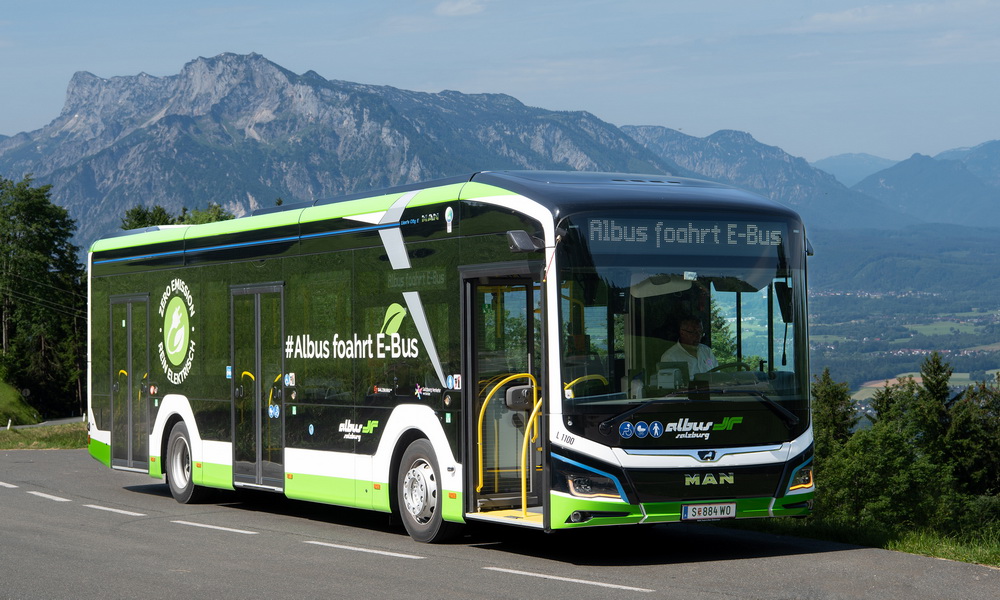
The OptiChargE project is developing a data-driven optimisation of a charging management solution for battery-electric bus fleets.
»

MountAIn – The digital mountain for testing AI-based innovations for alpine outdoor activities.
Alpine innovation lab for AI-based innovations in alpine outdoor sports with analysis of human movements in mountain scenarios in real environments.
»

Bike2CAV – Avoidance of cyclist collisions thanks to vehicle-to-everything (V2X) communication
Development and validation of methods for the avoidance of cyclist collisions through vehicle-to-x communication.
»

EMotion: Electric Mobility in L-Category Vehicles for all generations
The required reduction of CO2 emissions requires alternative mobility concepts – especially in rural and suburban areas.
»
SHared automation Operating models for Worldwide adoption
SHOW is the biggest and most holisitic ever real life CCAV (connected cooperative autonomous vehicle) urban demonstration initiative taking place in 20 cities across Europe.
»

Digibus® Austria
Exploring and testing methods, technologies and models for the reliable and safe operation of automated vehicles as carriers in a regional, intermodal mobility system.
»

Bicycle Observatory – on the pulse of cycling
The project Bicycle Observatory aims to fuse technical sensor data and qualitative data into a multi-dimensional, spatially differentiated picture of bicycle mobility.
»

UML Salzburg
The UML Salzburg initiates and supports new company-specific innovation projects, which make a central contribution to the intelligent organization of mobility in urban areas and also have a very high probability of implementation on the basis of the underlying strategies.
»
All projects (chronologically)
OptiChargE – Optimised and automated charging management for battery electric bus fleets
The OptiChargE project is developing a data-driven optimisation of a charging management solution for battery-electric bus fleets.
»


RADBEST – Cycling guidance in confined road conditions
A transnational consortium led by Salzburg Research Forschungsgesellschaft is investigating in objective safety and the subjective perception of safety and is developing evidence-based recommendations for the future planning of cycling infrastructure at bottlenecks.
»
SHared automation Operating models for Worldwide adoption
SHOW is the biggest and most holisitic ever real life CCAV (connected cooperative autonomous vehicle) urban demonstration initiative taking place in 20 cities across Europe.
»
Bike2CAV – Avoidance of cyclist collisions thanks to vehicle-to-everything (V2X) communication
Development and validation of methods for the avoidance of cyclist collisions through vehicle-to-x communication.
»
KOMOA – Concept Study for a Mobility Observatory Austria
Mobility data is playing an increasingly important role in the development of strategies and the planning of measures.
»
EMotion: Electric Mobility in L-Category Vehicles for all generations
The required reduction of CO2 emissions requires alternative mobility concepts – especially in rural and suburban areas.
»
MountAIn – The digital mountain for testing AI-based innovations for alpine outdoor activities.
Alpine innovation lab for AI-based innovations in alpine outdoor sports with analysis of human movements in mountain scenarios in real environments.
»
Digibus® Austria
Exploring and testing methods, technologies and models for the reliable and safe operation of automated vehicles as carriers in a regional, intermodal mobility system.
»
Bicycle Observatory – on the pulse of cycling
The project Bicycle Observatory aims to fuse technical sensor data and qualitative data into a multi-dimensional, spatially differentiated picture of bicycle mobility.
»

MyCorridor – Mobility as a service in a multimodal European cross-border corridor
Sustainable traveling in Europe both in rural and urban areas and across borders.
»



IDIRA – Interoperability of data and procedures in large-scale multinational disaster response actions
System of technologies and guidelines for optimal resource planning and operations across national and organisational borders in case of disasters.
»

ways2navigate – navigation for pedestrians
The aim of ways2navigate is to close effectively information deficit of pedestrians with novel navigation technologies.
»

FEMroute – Consideration of gender-specific requirements for mobile services
So far the producers of mobility supporting systems have often used little more than fancy packaging and design to reach out to female customers.
»
peak.AR – Experience the intriguing panorama of the peaks surrounding you
Have you ever wondered “What is the name of that prominent peak over there?” – find the answer simply by taking a look through the camera of your iPhone or Android device.
»
MobilityLab – Sun Center of Excellence
The MobilityLab is a Center of Excellence on Engineering of Location-based Services (LBS).
»
sAssist – mobile assistive systems for the elderly
Study to evaluate the potential and acceptance of mobile assistive systems for the elderly.
»
SemWay – Semantics for Navigation Systems
SemWay aims at developing a methodology and models for building semantically enriched navigation systems.
»