
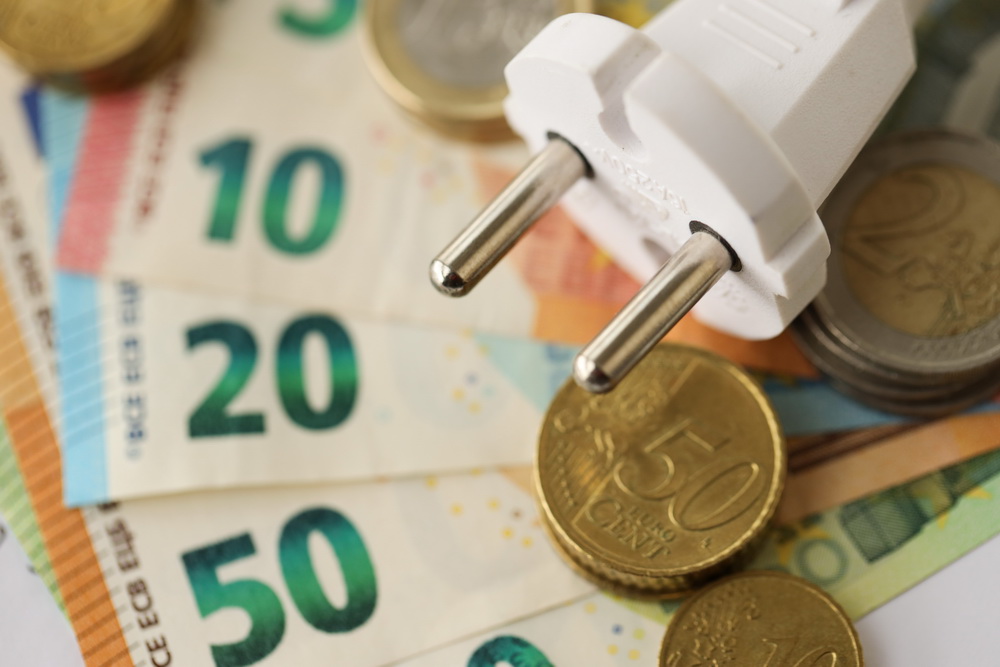
Using Donated Electricity More Effectively to Combat Energy Poverty
Salzburg Research is collaborating with partner organizations to develop new technical, social, and economic solutions for energy donations. The goal is to make better use of surplus electricity and provide households at risk of poverty with long-term, reliable access to affordable energy.
Using surplus energy in a targeted way for households
A recent EU-SILC survey found that approximately 4 percent of Austrian households cannot afford to heat their homes adequately. This equates to approximately 360,000 individuals. People with low incomes and those in vulnerable circumstances are particularly affected.
Energy donations allow surplus electricity from solar, wind, or hydroelectric power to be passed on to households in need. However, the existing model has technical limitations. Generation and consumption are offset against each other in 15-minute intervals. If more energy is donated than consumed within this time frame, participating households cannot currently utilize the surplus in its entirety.
Salzburg Research develops technical solutions
As part of the Energiespenden 2.0 project, Salzburg Research is designing and testing a technical solution that pools unused surplus energy. The goal is to ensure that more of the donated electricity reaches households in need. Standardized technical interfaces will connect the participating platforms and billing systems. These interfaces will allow recurring processes to be automated and managed reliably, even as the number of participants increases.
“There is already a clear willingness to share surplus electricity. The key now is to pool donated energy in a way that makes the most efficient use of it. At the same time, the programs must be simple for those involved to understand. Our goal is a model that functions reliably, even as participation numbers rise sharply,” says Stefan Linecker, project manager at Salzburg Research.
Accessible entrances and sustainable models
In addition to technical development, the project considers social and economic requirements. The project team is developing a unified service design and standardized processes to promote greater inclusivity. The goal of clear and accessible registration procedures is to make it easier for people with different backgrounds and life circumstances to participate.
Additionally, models are being developed for billing and providing services to municipalities, cities, and other local authorities. The consortium is exploring new financing options for energy donations and the requirements for a social energy utility.
Potential for tens of thousands of households
In the long term, tens of thousands of households are expected to benefit from energy donations. According to the consortium’s estimates, the potential annual volume of donations is in the double-digit gigawatt-hour range. The project is investigating how much of this potential can be realized by using the technical, social, and economic solutions that have been developed.
Salzburg Research is implementing the project in collaboration with enixi, OurPower Energiegenossenschaft, and Robin Powerhood. “Energiespenden 2.0” is funded by the Federal Ministry of Innovation, Mobility, and Infrastructure, as well as the Climate and Energy Fund, as part of the “Energy Research 2025” program. The program focuses on “Social Transformation: Acceptance and Participation,” and it is administrated by the Austrian Research Promotion Agency (FFG).
More information:





 Certified EN ISO 9001