
Sensor-Equipped Hoof Sock Detects Gait Parameters in Horses
As part of an innovation grant, Salzburg Research is developing a smart sensor system for horses. The research institute is developing algorithms to analyze pressure and temperature data from a horse’s hoof, using it to determine gait parameters and identify potential signs of inflammation.
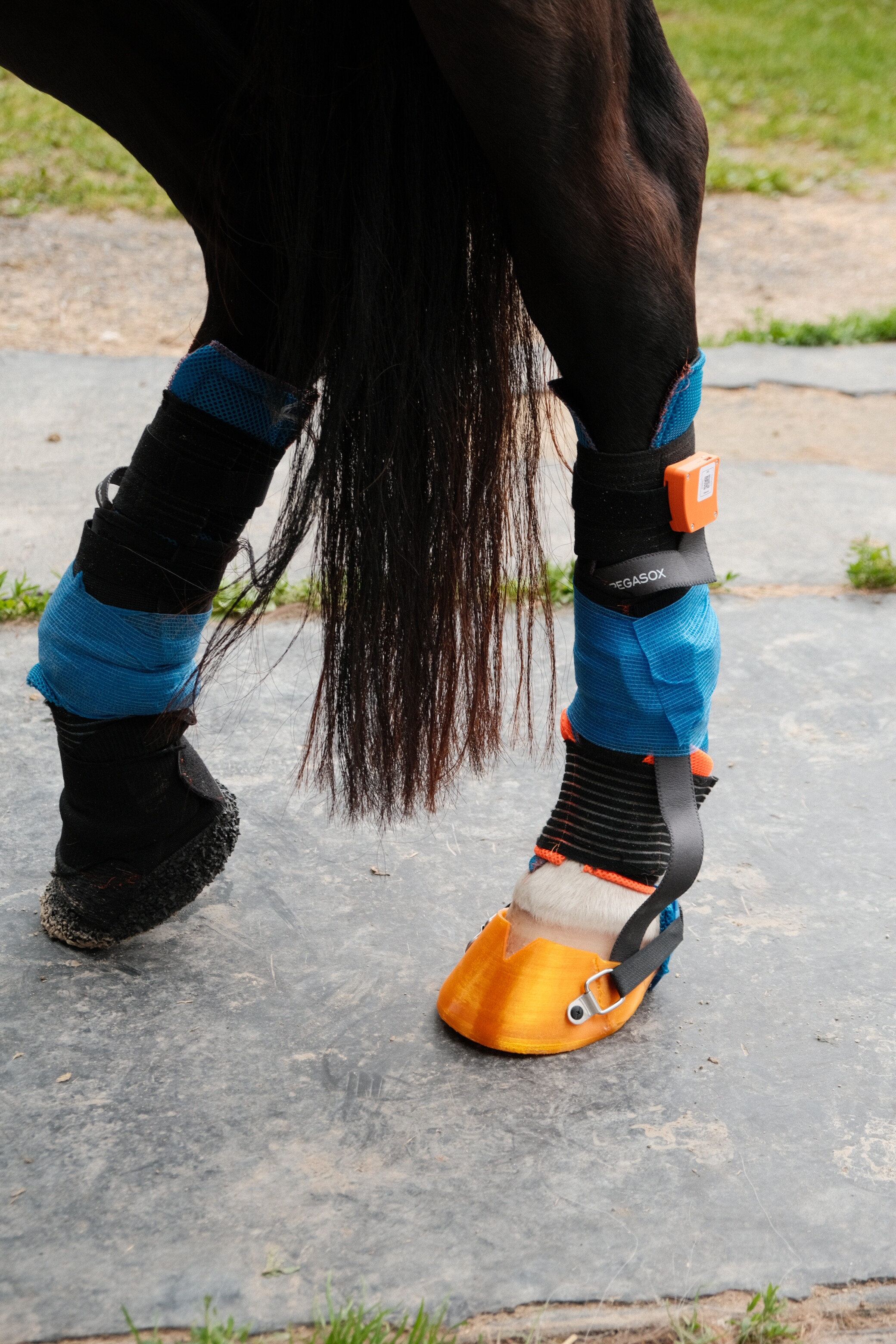
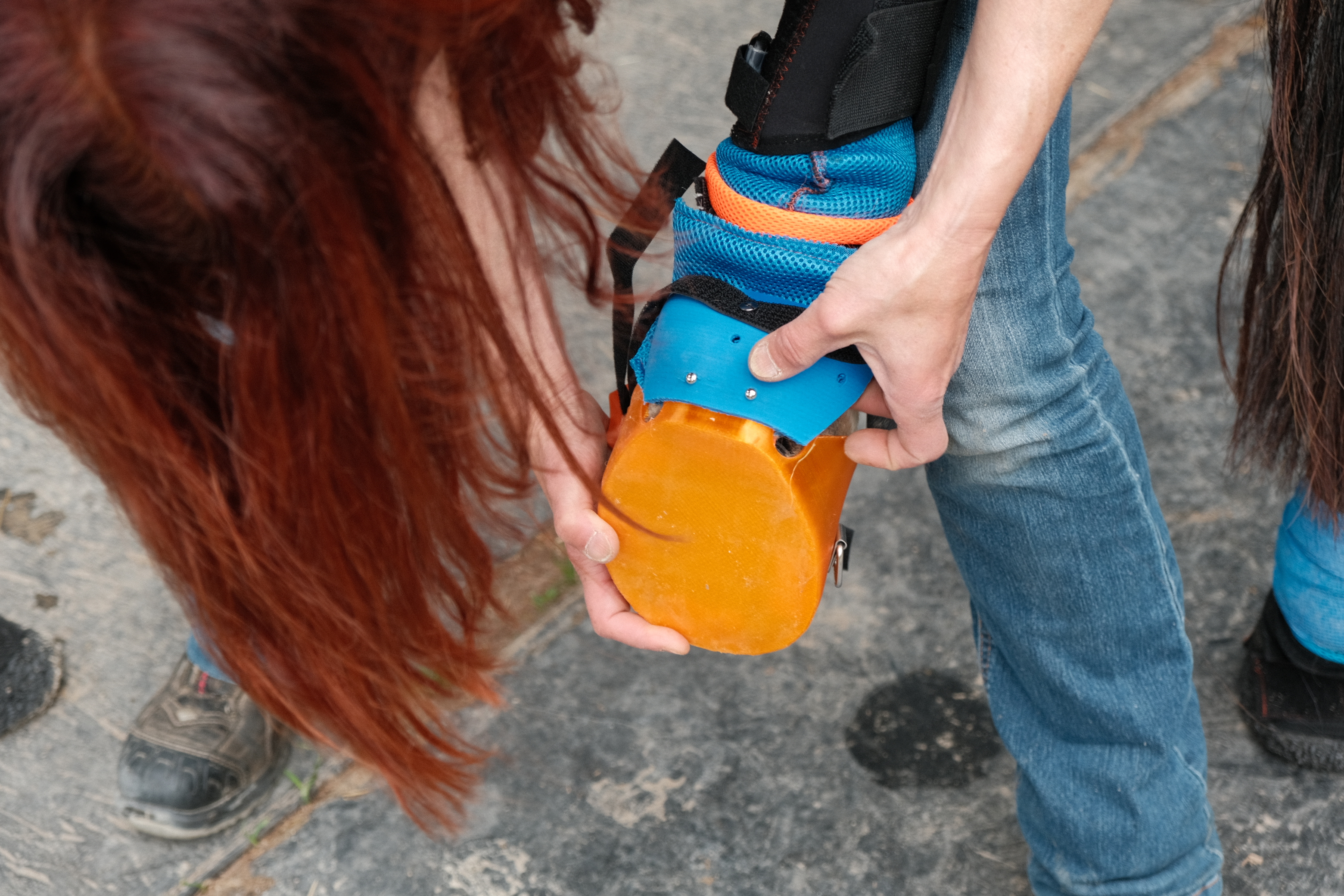
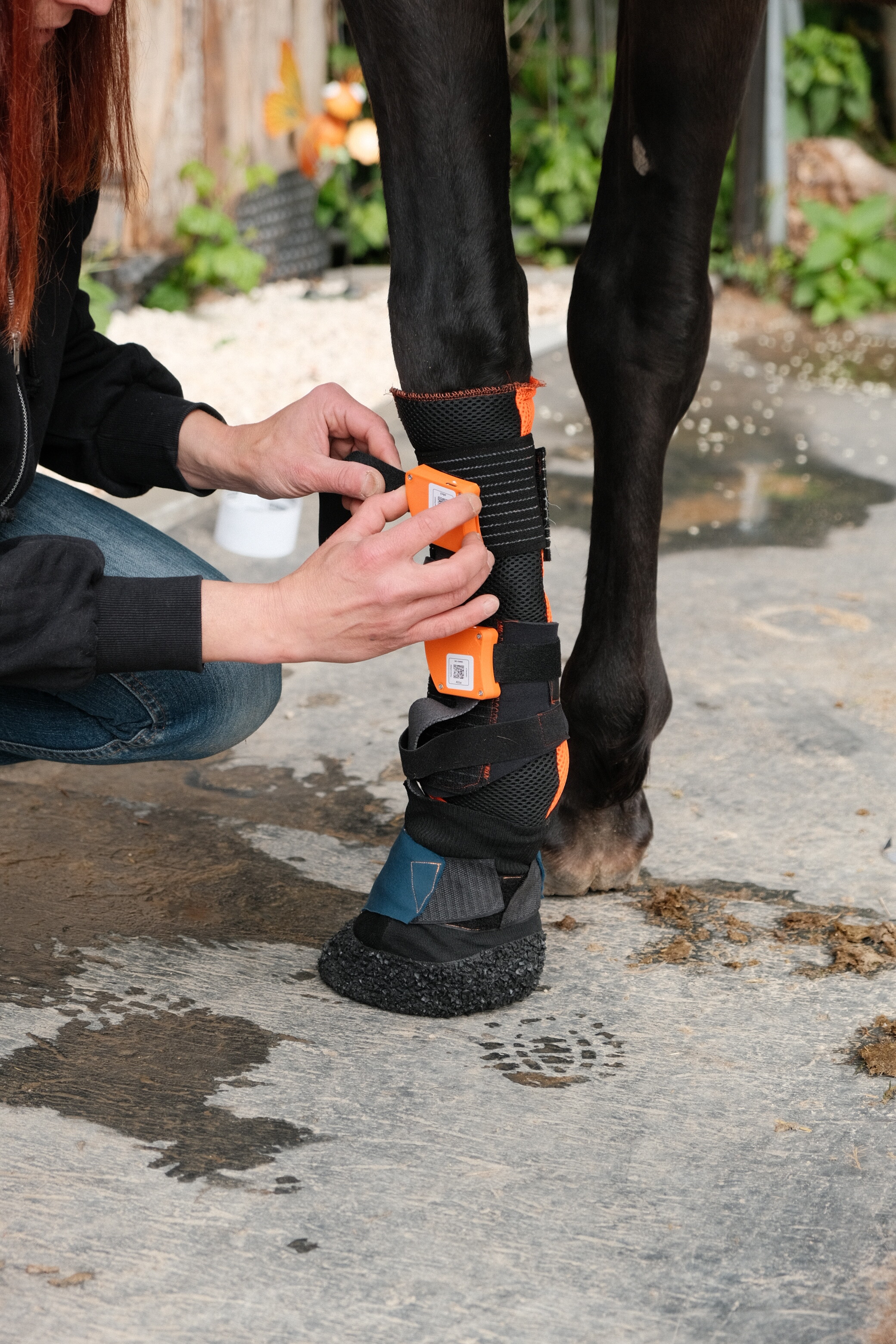
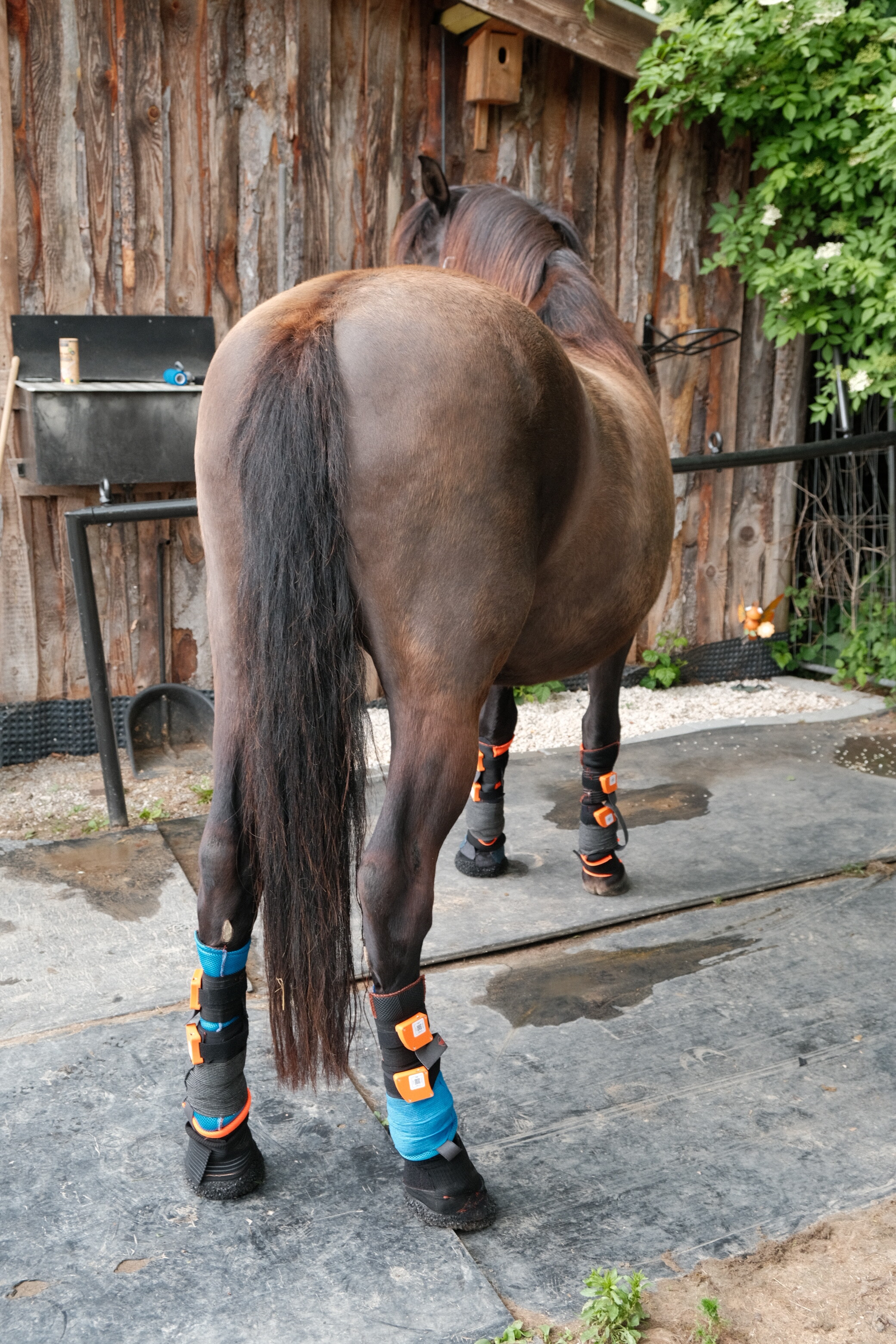
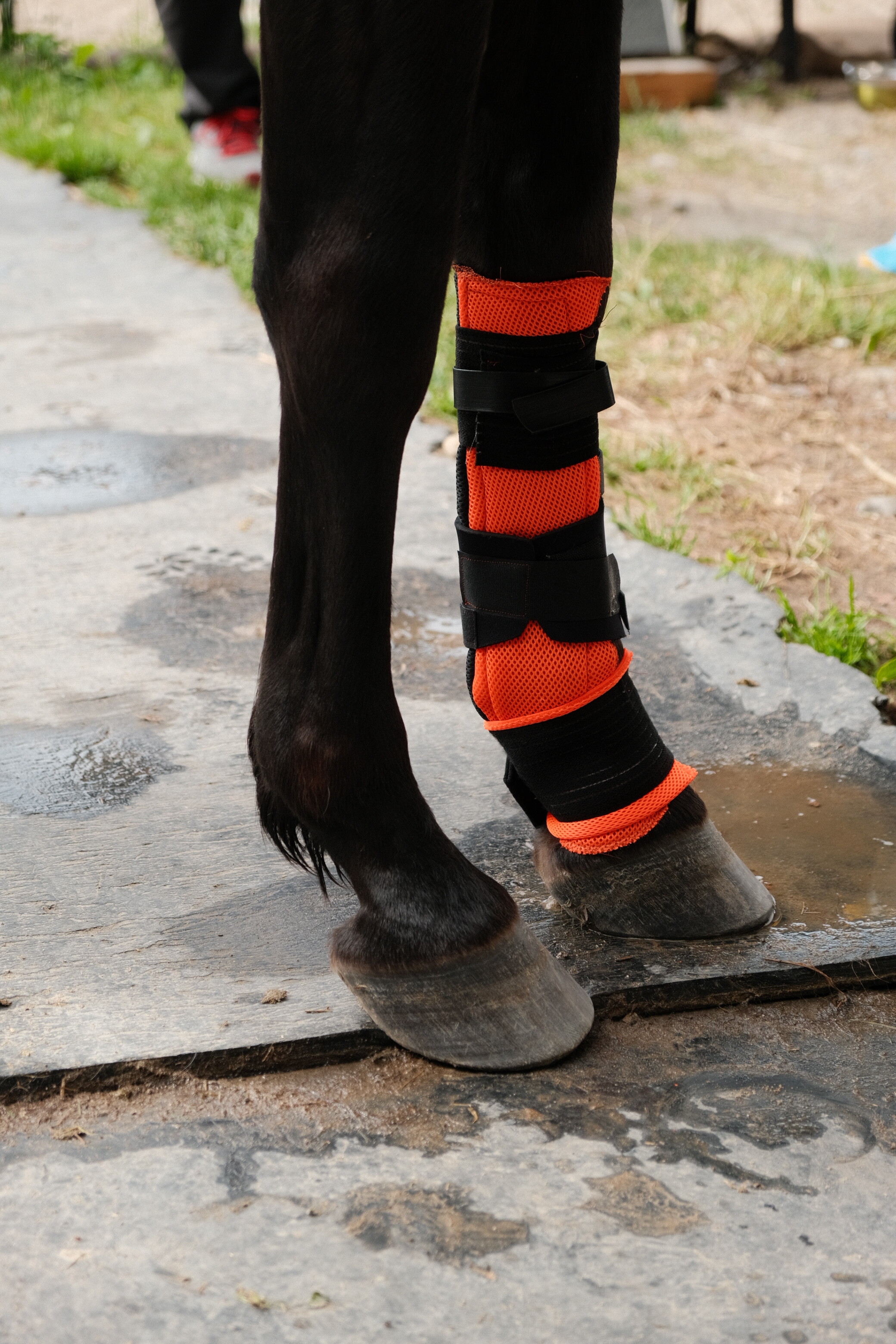
Salzburg Research is validating a mobile sensor system developed by Pegasox, a startup based in Bergheim, for use with horses. The smart hoof sock uses flexible pressure sensors and temperature strips to record stress levels and thermal changes during natural movement. The aim is to create a practical solution that enables the objective measurement of gait parameters, such as ground contact time, stride frequency, and symmetry.
This measurement data is analyzed to help detect early signs of inflammatory processes in the fetlock joint. This addresses a key challenge in equine health: the objective and early detection of changes in real-world conditions.
Multimodal data under real-world conditions
This project is unique because it simultaneously collects and scientifically analyzes pressure and temperature data from a horse in real-world conditions. This data is then compared with the validated XSens and WCN2 reference systems.
The focus is on answering the open research question of whether valid diagnostic markers can be derived from these multimodal data sources. PegaSense, therefore, aims to lay the groundwork for an early, practical diagnosis while also providing scientific insights into the relationships between gait parameters, pressure loads, and temperature changes related to inflammation.
Salzburg Research validates algorithms and prototypes
Salzburg Research is supporting PegaSox as part of an innovation grant. The research institute is developing and validating algorithms, analyzing sensor data and comparing the results with reference systems. Salzburg Research is also developing methodological approaches for diagnostic markers and evaluating the technological prototype.
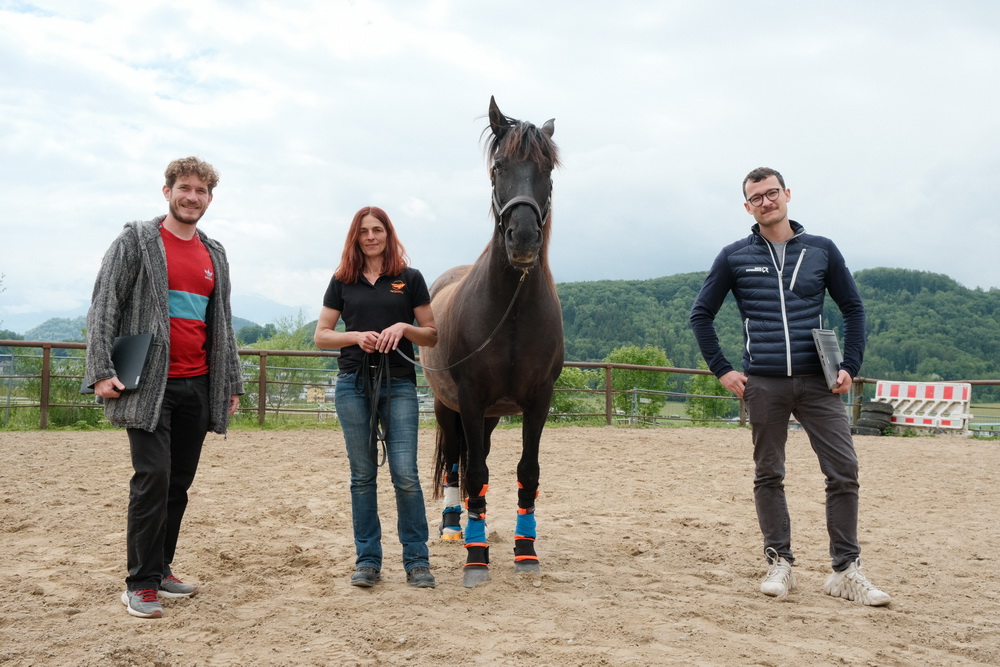
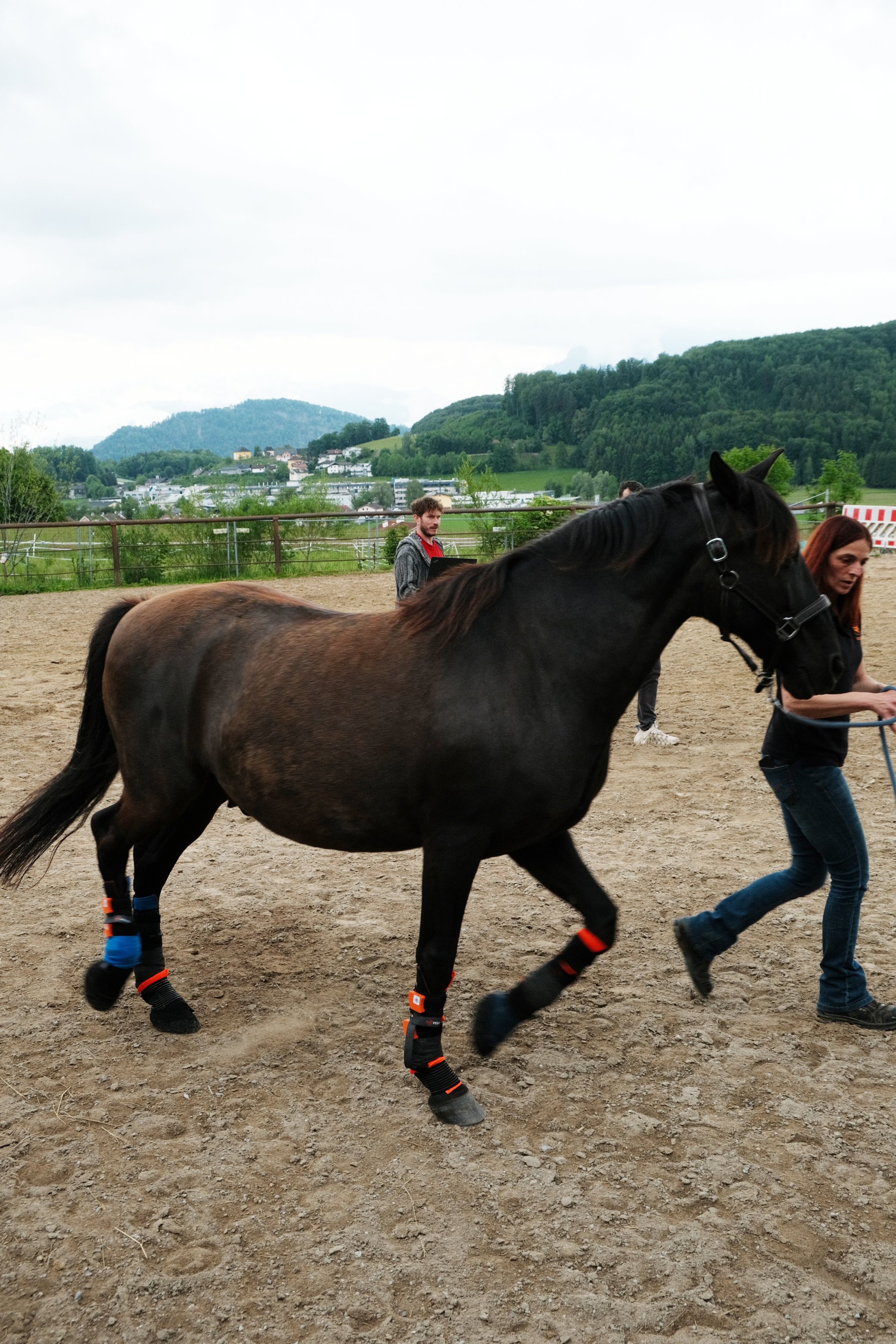
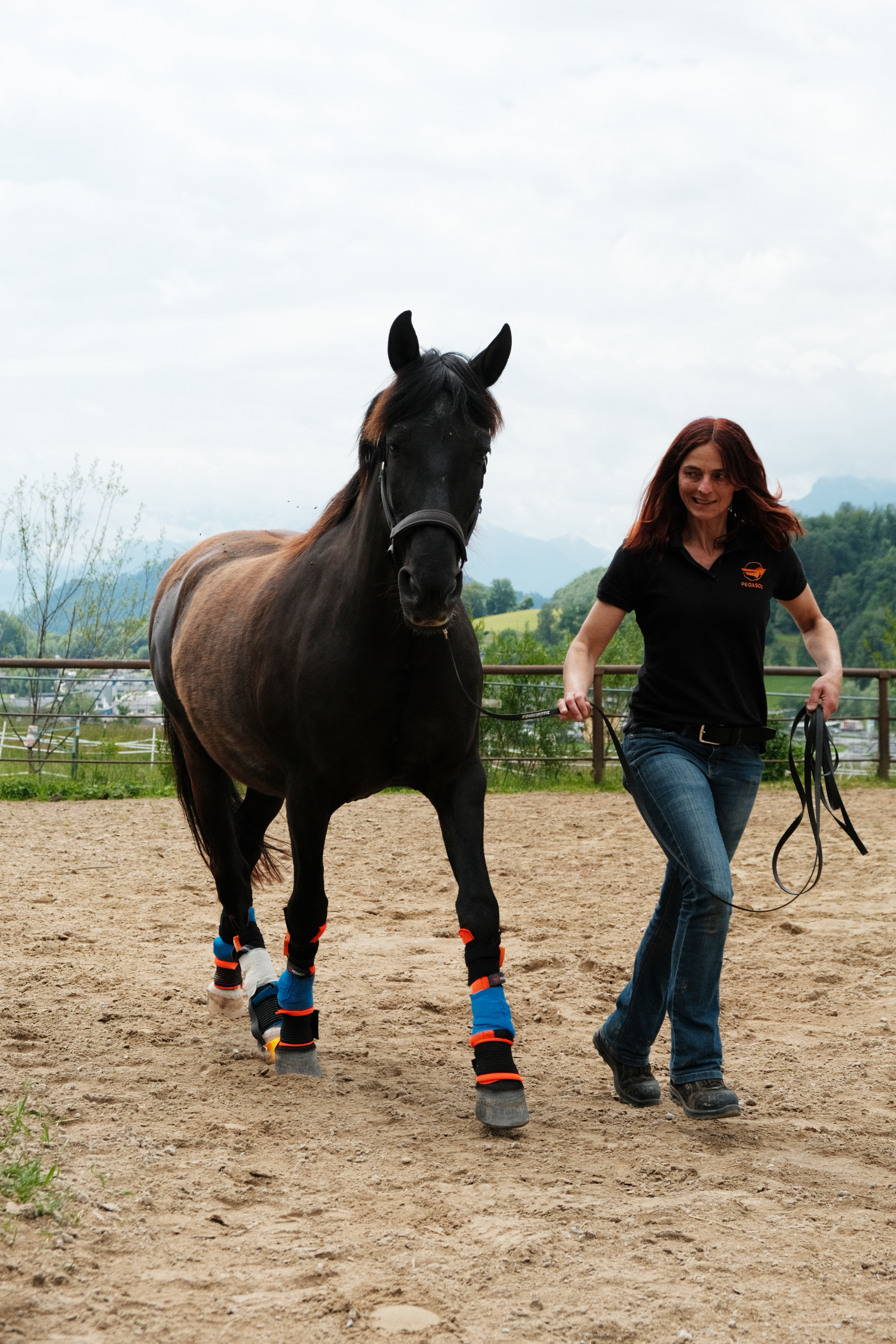
During a test in Bergheim, Salzburg Research researchers conducted initial measurements with the horse Contigo, testing the system under real-world conditions.


The project therefore has two aims: to achieve technological innovation in the form of a validated prototype and to lay a solid foundation for future product development and market strategy.






 Certified EN ISO 9001