

Core Competencies


Mobility & Transport Analytics
Mobility & Transport Analytics: Optimized Mobility of People and Goods
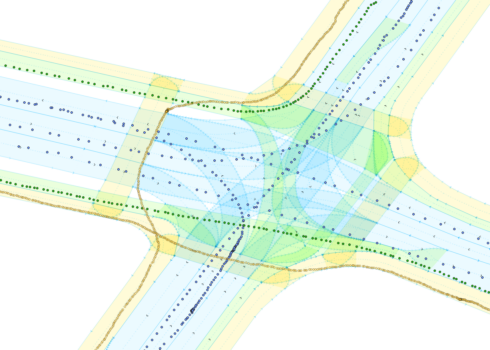
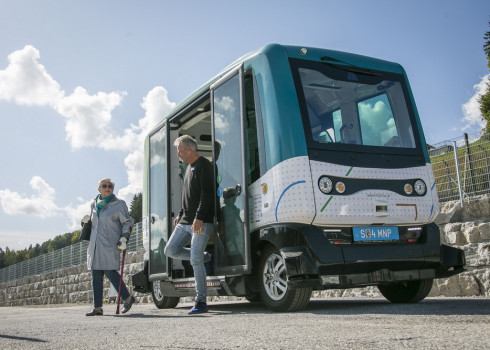
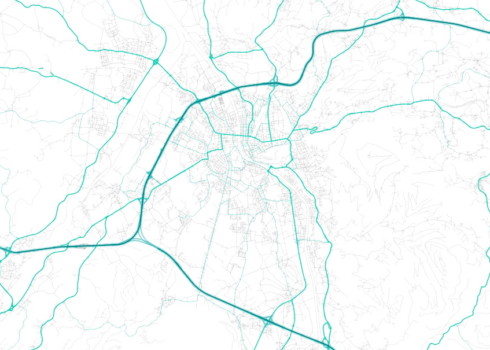
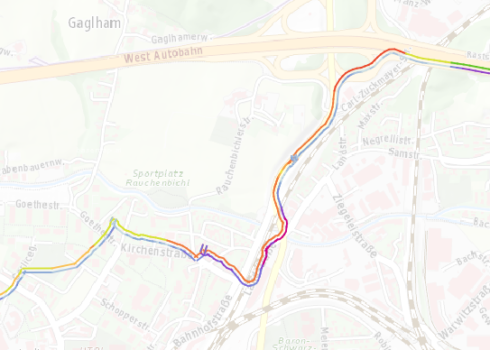
Understanding which movements take place where and how is a key prerequisite for optimizing personal and goods mobility. Through intelligent analysis processes, multi-sensor fusion, map matching or routing for high-precision maps as well as real-time processing, analysis and interpretation of high-resolution driving trajectories, we open up the potential of movement data – for optimized fleet control, traffic control or evaluation of infrastructure measures.
Technologies & Methods:
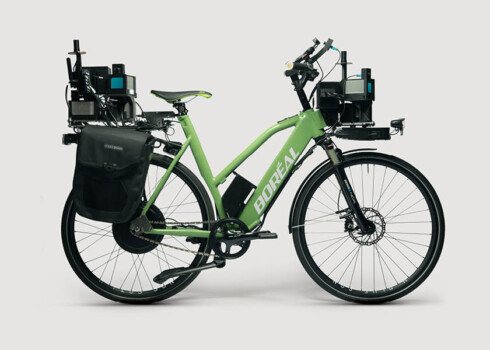
- Technologies for high-resolution movement data acquisition
- Complex procedures for offline and real-time motion data analysis based on scalable data platforms
- Interactive, web-based visualization of movement patterns (dashboards)
Our services
Success Storys

Evaluation Of Lost Times In Public Service
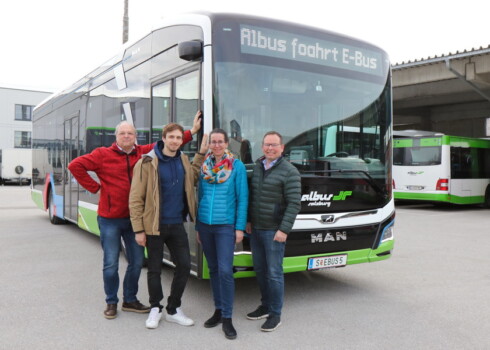
Salzburg Research analysed travel time losses in public bus transport for the transport department of an Austrian provincial government. On the basis of this objective detailed assessment, the effect of a new bus lane could be demonstrated.
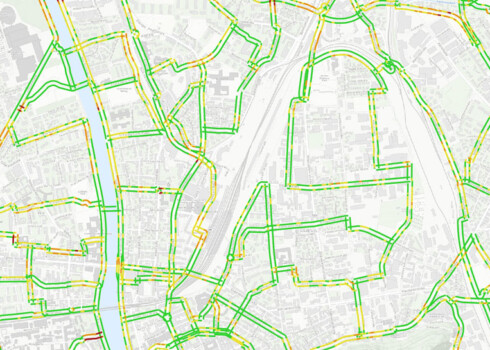
Assessment Of The Quality Of Cycling Infrastructures
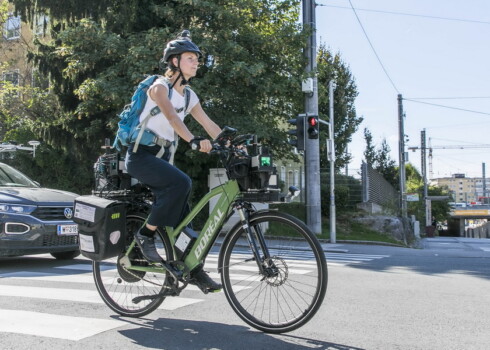
For the targeted further expansion of the cycle paths in an Austrian state capital, Salzburg Research determined an objective data-based assessment in order to identify those areas with the greatest need for action.
Our customers


Reference projects




News


Publications from this core competency
Blog
TEAM Mobility & Transport Analytics















JOBS Mobility & Transport Analytics
 © 2024 Salzburg Research Certified EN ISO 9001